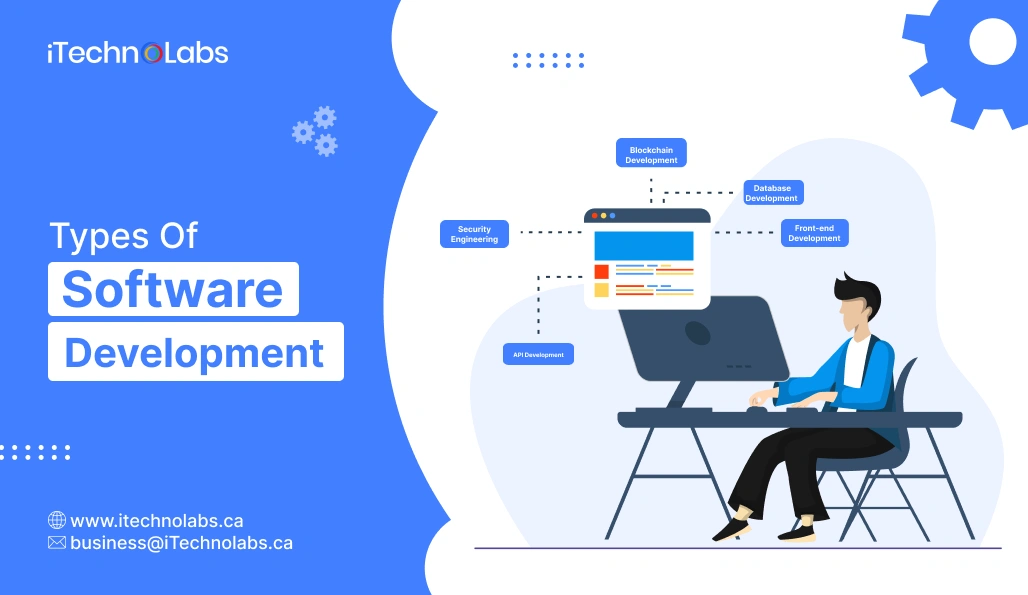
Software development now encompasses a lot more than just the creation of websites and mobile applications. In the year 2026, software is the mainstay in the business sector for tasks such as automating operations, marketing, data management, and support, and the application of software in the business sector has gone as far as to include things like scaling faster than ever. The range of uses of software now includes SaaS, enterprise solutions, AI tools, blockchain applications, etc., which means that understanding the Types Of Software Development is very crucial for a company before investing in any software product.
In this article, we will define software development, elaborate on why it is still significant, and then detail 20 Types Of Software Development along with corresponding software development examples for a better understanding of which type to put where. Be it web app development, mobile product launch, cloud platform development, or IoT and VR tech integration, this blog will certainly provide the right development path with clarity, especially for businesses searching for reliable software development services to bring their product ideas to life.
Table of Contents
What Is Software Development?
Software development, or the entire process of developing an application and system through its different phases from concept to the user interface, is sometimes considered as just that, an activity involving writing codes. The activities involved are a mixture of planning, designing, coding, testing, and giving final touches to the software so that it behaves well at the users’ end.
A typical software development process includes:
- Defining requirements: Understanding what the software needs to do, who will use it, and what business problem it should solve.
- Selecting technologies: The right programming languages and frameworks and tools must be selected according to the software-project requirements and financial restrictions and expansion needs.
- Creating design and architecture: The software development process starts with developing the visual appearance of the software and the technical components that operate between its user interface and internal system elements.
- Coding and integrating features: The software development team creates essential functionality through its main system development work, which establishes connections between user interface and server components and application programming interfaces and data storage systems.
- Testing for performance and security: The testing process confirms that the product maintains fast performance while handling multiple users, and it defends against software defects and system failures and cybersecurity threats.
- Deploying and maintaining updates: The software launch process includes performance tracking and problem resolution and gradual software enhancements through upcoming updates.
This structured approach ensures the software is reliable, secure, scalable, and easy to use, which is essential for businesses that want long-term growth and high user satisfaction.
Also Read : Food Delivery App Development: A Complete Guide 2026
Why Software Development Matters in 2026
In the year 2026, the world of business is getting more and more digital. No matter the scenario, whether it’s the customers who are making online purchases, reserving a service, or using an application, they expect nothing but quick, smooth, and personalized interactions on all platforms. Additionally, the corporations are compelled to implement operational efficiency in their processes by means of automation, intelligent systems, and real-time information.
That’s why businesses are investing heavily in software development. It helps organizations:
- Streamline workflows by reducing manual tasks and improving operational efficiency
- Improve customer engagement through faster, more user-friendly digital experiences
- Manage operations and data efficiently with centralized systems and smarter decision-making tools
- Scale services faster by using cloud platforms and flexible software architectures
- Gain competitive advantage by launching innovative products and adapting quickly to market changes
In short, software is no longer just a support function—it’s a growth engine. And that’s exactly why understanding the Types Of Software Development has become essential for business leaders and product teams planning successful digital products.
Software Development Examples You See Every Day
Software development creates the digital products that people use today. Software has become an essential part of daily life and business operations through its presence in mobile applications and backend business tools.
Here are some practical software development examples you encounter regularly:
- Mobile delivery and ride-hailing applications provide users with real-time service connections to various services.
- Online banking applications and digital wallet solutions enable users to conduct secure transactions while managing their financial activities.
- E-commerce websites and shopping applications provide users with solutions to browse products, make payments, and complete their orders.
- CRM and ERP systems assist businesses in managing their customer base, inventory stock, employee workforce, and all their internal business processes.
- SaaS platforms deliver productivity tools, which include analytics solutions and collaboration applications, to users.
- Streaming platforms, together with gaming applications and entertainment services, provide users with instant access to vast content libraries.
Each of these solutions belongs to different Types Of Software Development, depending on its platform (web, mobile, cloud), architecture (monolithic, microservices), and purpose (customer-facing product, internal enterprise tool, or scalable SaaS system).
20 Types of Software Development You Should Know
Software development contains different categories, and each of them is meant to fulfill a different business goal. Some categories concentrate on platforms such as web, mobile, or desktop, while others are based on modern technologies like blockchain, IoT, cloud, and VR. Besides, there are different approaches like Agile and Lean that determine how the software is produced. In the following text, 20 Types Of Software Development are listed and briefly described in a clear and well-structured way.
1) Agile Software Development
Agile software development is a modern approach where products are built in short development cycles called sprints. Teams release features quickly, collect feedback, and improve continuously. It works best for evolving products that need frequent updates and adjustments based on market demand.
- Sprint-based development
- Rapid releases
- Continuous user feedback
- Easy change adoption
- High collaboration
2) Desktop Software Development

Desktop software development refers to building applications installed and used on computers. These programs often support business operations, internal productivity, and offline access. Desktop apps are commonly used in industries where stable performance and local storage matter more than browser-based experiences.
- Runs on Windows/macOS/Linux
- Installed locally
- High performance
- Offline accessibility
- Suitable for enterprise systems
3) API Development
The API development process is all about making interfaces that will make it possible for various software systems to talk to each other. APIs link up applications with servers, allow incorporation of external services, and provide multi-platform usage. The majority of today’s software applications rely greatly on APIs for uninterrupted operation and growing capacity.
- Connects systems
- Enables integrations
- Supports app scalability
- Improves data flow
- Powers modern architectures
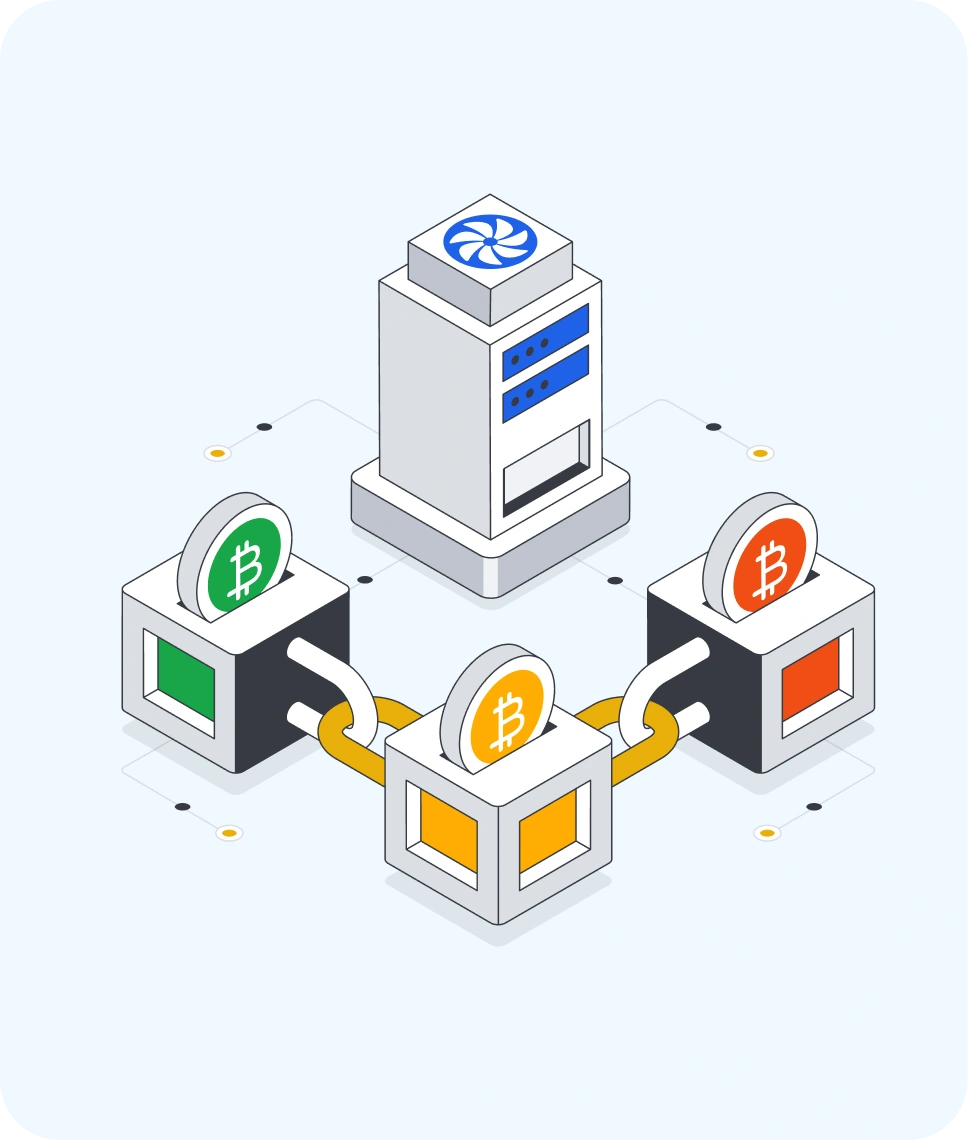
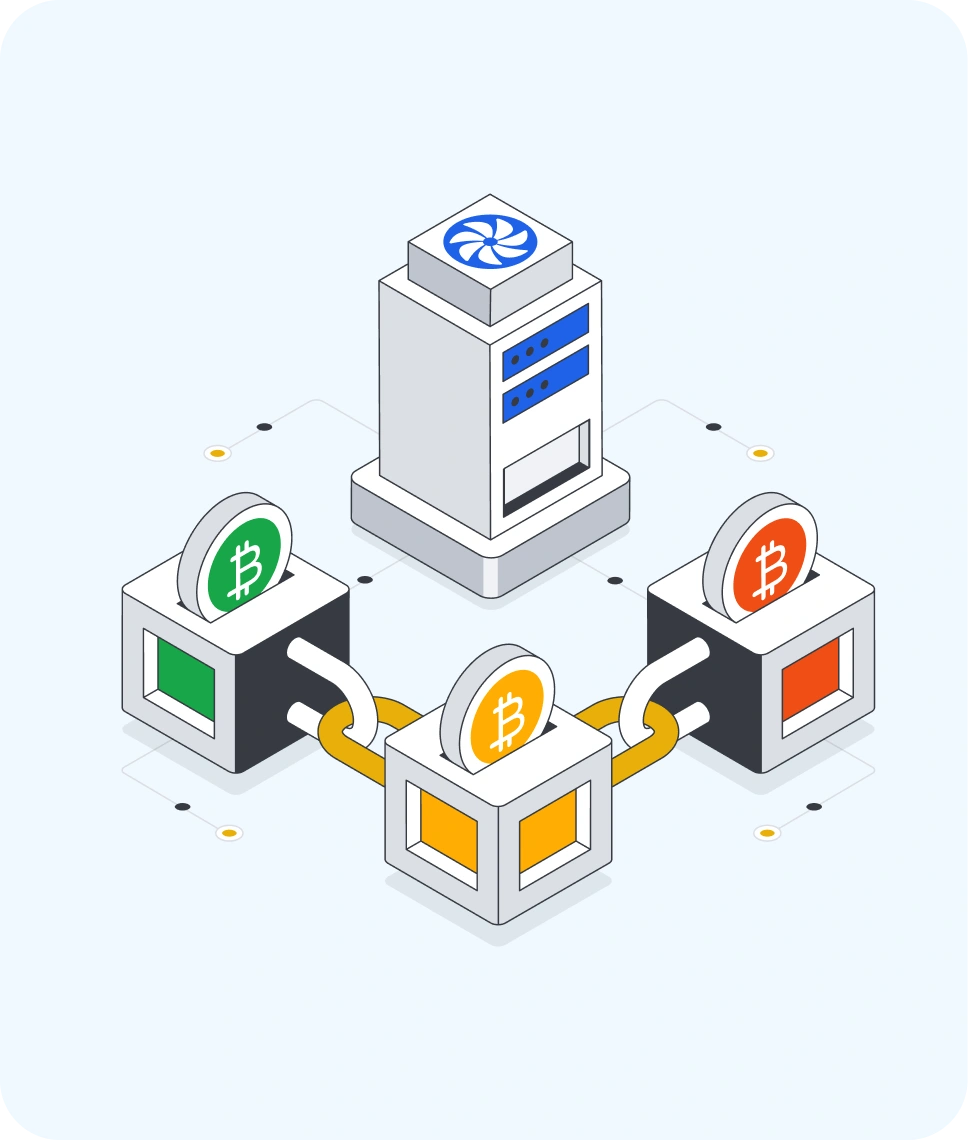
4) Blockchain Development

The area of Blockchain development is related to the creation of software applications that are decentralized and run by a network of distributed ledgers. This gives rise to the attributes of transparency, security, and non-reversible transactions. Such an environment is perfect for crypto wallets, NFT marketplaces, DeFi applications, and smart contract platforms where the basic need is trust.
- Decentralized structure
- Smart contract development
- Immutable records
- High transparency
- Secure transactions
5) Mobile App Development

Mobile app development embraces applications for smartphones and tablets. It also means native development for iOS and Android, besides cross-platform solutions such as Flutter or React Native. Mobile apps facilitate bringing business closer to customers and also help in the proper handling of digital on-the-go experiences by using engagement, retention, and accessibility through digital means.
- iOS and Android apps
- Cross-platform development
- Push notifications
- Device features access
- Mobile-first user experience
6) Database Development
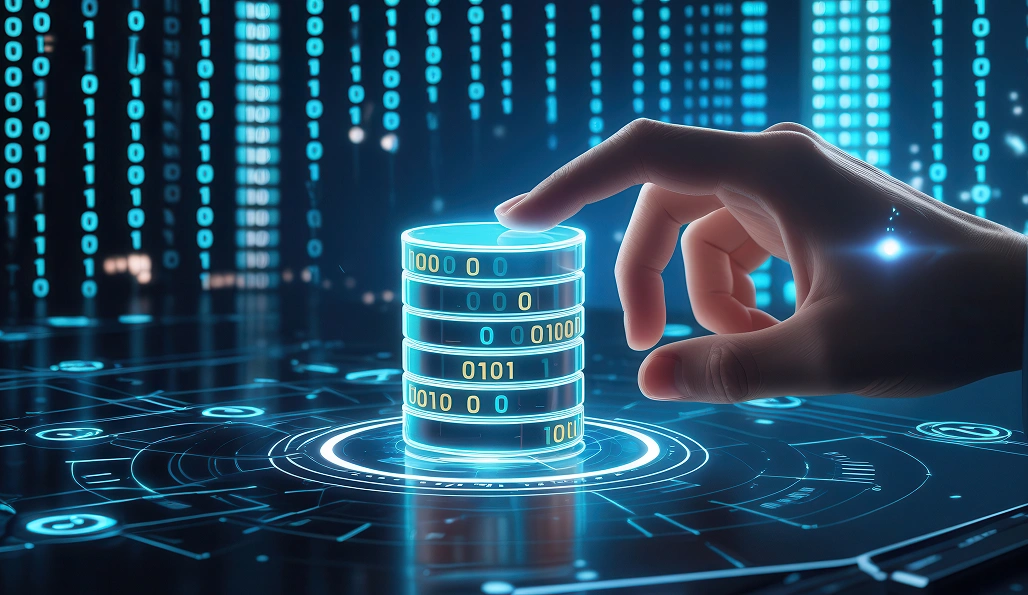
Database development focuses on designing and managing data storage systems. It ensures information is stored securely, structured properly, and accessed quickly. Databases power most applications, from ecommerce sites and banking systems to enterprise dashboards and analytics platforms.
- Schema design
- Query optimization
- Data security
- High-speed access
- Structured data management
7) Security Engineering

Security engineering ensures software systems remain protected from threats, breaches, and vulnerabilities. It includes encryption, secure login systems, penetration testing, and compliance measures. Security is a top priority in industries handling sensitive data, such as fintech, healthcare, and enterprise software systems.
- Encryption methods
- Secure authentication
- Vulnerability testing
- Access control systems
- Compliance readiness
8) IoT Software Development

IoT software development builds applications that connect and manage smart devices. These systems gather and exchange data through sensors and networks, enabling automation and monitoring. IoT solutions are widely used in smart homes, healthcare wearables, logistics tracking, and industrial monitoring environments.
- Smart device connectivity
- Sensor-based automation
- Real-time data tracking
- Hardware-software integration
- Remote monitoring
9) Front-end Development
Front-end development works on the visual interface that the users have to interact with. It consists of the implementation of the design, its responsiveness, animating, and the behavior of the user experience. A solid front end guarantees usability and engagement as well as product clarity, which, in turn, makes it a must for mobile applications, web portals, dashboards, and e-commerce platforms.
- UI development
- Responsive layouts
- Smooth navigation
- Interactive components
- Better user experience
Also Read : Common Challenges in AI Development and How to Overcome Them
10) Game Development

Game development encompasses the making of interactive gaming experiences for mobile, PC, console, and VR. It includes graphics rendering, gameplay mechanics, AI characters, and multiplayer networking. Game development is a combination of powerful creativity and technical engineering that guarantees performance and engagement.
- Gameplay design
- Graphics and animation
- Multiplayer features
- AI-based mechanics
- Performance optimization
11) Cloud Computing Development

Cloud development builds scalable software hosted on cloud platforms like AWS, Azure, or Google Cloud. It supports high availability, remote access, and efficient scaling. Cloud solutions are ideal for SaaS products, enterprise systems, and platforms expecting high traffic and continuous uptime.
- Scalable infrastructure
- High availability
- Cloud deployment
- Cost efficiency
- Faster updates
12) Embedded Systems Development

Embedded development refers to software built into hardware devices. These systems run in machines like automobiles, medical devices, manufacturing equipment, and smart appliances. Embedded software must be reliable and optimized because it often powers real-time actions and performance-critical operations.
- Hardware-based software
- Real-time processing
- High reliability needs
- Used in devices/machines
- Efficiency-focused code
13) Lean Software Development

Lean software development is a methodology that focuses on reducing waste and delivering value faster. It helps teams build only what’s necessary, avoid overdevelopment, and optimize productivity. Lean works best in startup environments where rapid validation and cost control are essential.
- Minimal waste approach
- Fast MVP delivery
- Value-driven planning
- Continuous improvement
- Efficient resource usage
14) VR Software Development

VR software development creates immersive virtual experiences using VR devices and environments. It is widely used in gaming, training simulations, education, and real estate tours. VR applications require advanced design, 3D modeling, and performance optimization to deliver smooth interactions.
- Immersive experiences
- 3D environments
- VR device integration
- Simulation development
- High-performance rendering
15) Software Tools Development

Software tools development focuses on building digital tools that improve productivity and automation. These tools can support developers, businesses, and teams by streamlining workflows, monitoring systems, and enabling better decision-making. Software tools are popular in enterprise operations and tech ecosystems.
- Workflow automation
- Developer utilities
- Monitoring dashboards
- Productivity enhancement
- System optimization tools
16) Web App Development

Web app development involves building software applications accessible via browsers. These applications run online and can support everything from e-commerce and SaaS platforms to admin panels and booking systems. Web apps are scalable, cost-effective, and widely used for customer-facing and internal solutions.
- Browser-based access
- SaaS platform support
- Easy scalability
- Cross-device usability
- Fast deployment
17) Back-end Development
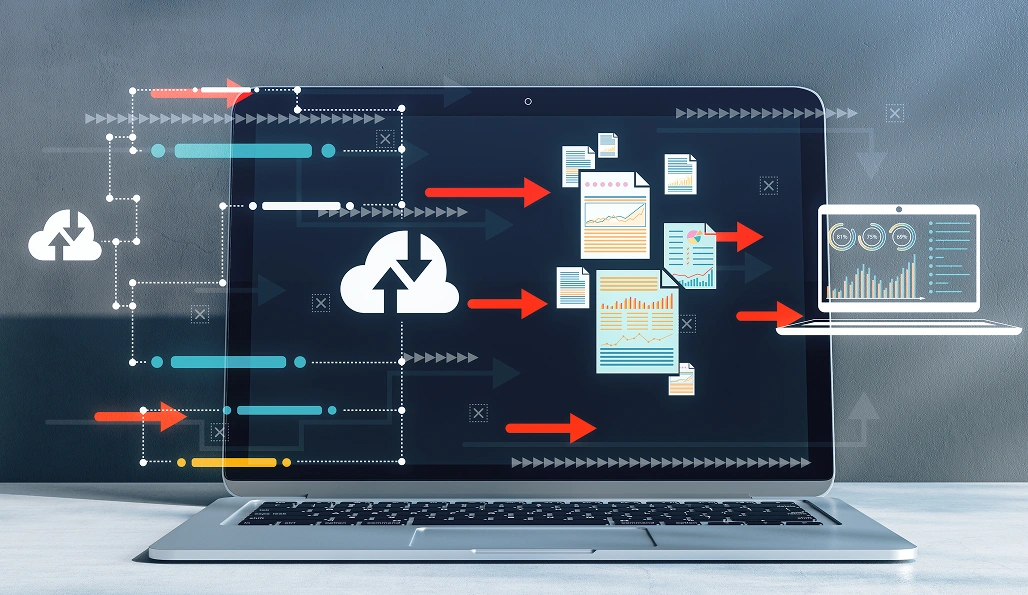
Back-end development powers the system logic behind applications. It manages server operations, databases, authentication, and business workflows. Back-end systems ensure apps run smoothly, handle large user loads, and remain secure. A strong backend is essential for performance and scalability.
- Server-side logic
- Database connectivity
- Secure authentication
- Performance tuning
- Scalable architecture
18) Full Stack Development
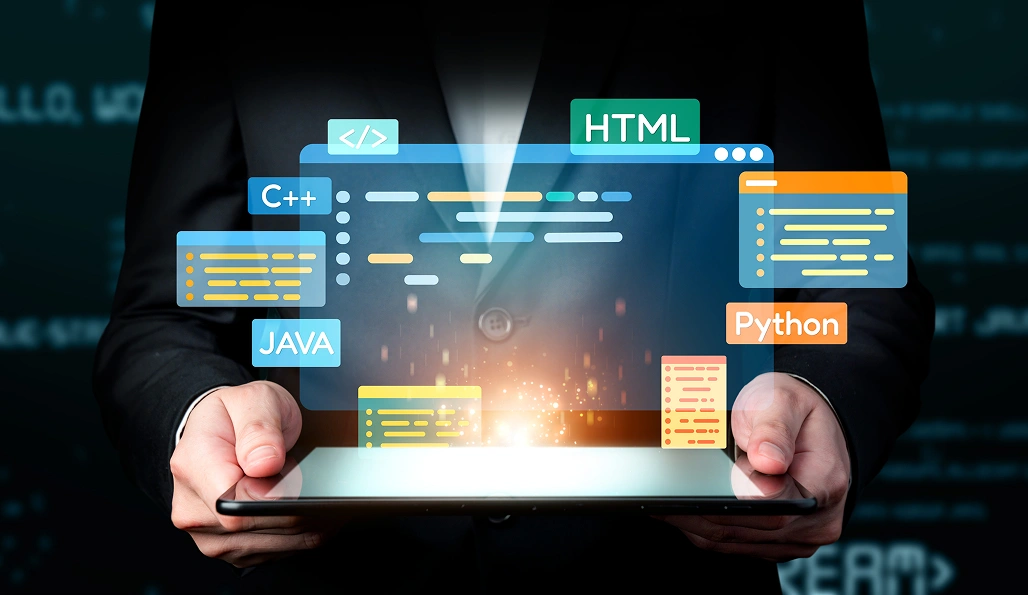
Full-stack development combines both front-end and back-end development. Full stack teams can build complete products end-to-end, making them ideal for startups, MVPs, and fast software launches. This approach improves collaboration and reduces delays between interface and system development.
- End-to-end development
- Faster product delivery
- Unified workflow
- Better coordination
- MVP-friendly approach
19) AI Software Development
AI software development focuses on building intelligent applications that can learn from data, automate decisions, and improve over time. It is commonly used in chatbots, recommendation systems, fraud detection, predictive analytics, and smart automation tools. AI development helps businesses reduce manual effort and deliver more personalized digital experiences.
- Machine intelligence systems
- Predictive analytics
- Automation and decision-making
- Personalization features
- Data-driven performance
20) Machine Learning Development
Machine learning development is a specialized branch of AI that trains algorithms using real-world data. These systems identify patterns and make predictions without being explicitly programmed for every scenario. ML is widely used in finance, ecommerce, healthcare, and logistics for forecasting, scoring, personalization, and anomaly detection.
- Model training with data
- Pattern recognition
- Prediction-based features
- Continuous model improvement
- Industry-specific use cases
Partner with iTechnolabs for Your Software Development Needs
Software development isn’t just writing code. It’s building something that can grow without getting slow, breaking, or turning into a security headache—and it still has to hit the business goals.
And iTechnolabs steps in as a steady development partner, working with customers who want software built right, not rushed (because yeah, cutting corners always shows up later). They offer software development services that cover the full build.
The project continues beyond its initial version. iTechnolabs offers complete custom software development services, which they provide to startups and small- to medium-sized businesses and large corporations. The project begins with strategy development and continues through UI/UX design work and software development and system deployment and maintenance operations. The work operates through established processes that skilled teams use to execute their tasks.
Also Read : AI-Powered Mobile App Development Trends 2026
Why Choose iTechnolabs?
iTechnolabs offers more than just coding. Their teams focus on building solutions that are business-ready, future-proof, and designed to scale.
Key strengths include:
- Custom software development tailored to unique business requirements
- Web and mobile app development using modern frameworks and scalable architecture
- Advanced tech expertise in AI, IoT, blockchain, and cloud solutions
- Agile development model for faster releases, transparency, and flexibility
- Security-first engineering to protect user data and ensure compliance
- Post-launch support and maintenance for long-term performance and upgrades
End-to-End Development That Covers Everything
Whether you’re launching a new product or upgrading an existing system, iTechnolabs supports the complete development lifecycle:
- Product discovery and roadmap planning
- UI/UX design and prototyping
- Full-stack development (frontend + backend + APIs)
- QA testing and performance optimization
- Cloud deployment and scalability planning
- Ongoing enhancements and maintenance
Delivering Real Business Outcomes
What makes iTechnolabs a preferred development partner is their ability to align technology with business goals. Their approach ensures:
- Faster go-to-market
- Scalable architecture for growth
- Better user experience and engagement
- Stable product performance
- Measurable ROI through automation and efficiency
If you’re looking for a reliable partner to develop your next software product, whether it’s a SaaS platform, mobile application, enterprise system, or emerging-tech solution, iTechnolabs provides the technical depth and execution quality needed to build with confidence.
Conclusion
The work of software development will continue to determine how businesses achieve growth and develop their competitive edge and provide value delivery throughout the year 2026. The Types Of Software Development guide your decision-making process because they help you select the appropriate path according to your business objectives and budget constraints and requirements for future growth.
The key is not just building software but building the right software with the right strategy, architecture, and execution. The selection of a skilled development partner proves essential for product launches and platform enhancements and enterprise solution development because it simplifies the entire process while increasing success rates.
iTechnolabs provides you with the necessary skills and resources and delivery capabilities to develop secure and scalable and high-performing software solutions that transform your concept into a dependable digital product that achieves actual business results.
FAQ
What does software development entail, and could you please give some real, life examples?
Software development is a process of making computer programs, such as mobile applications, websites, or software solutions, from start to finish. It features stages like analyzing, designing, coding, testing, and later on updating the product. A few real-life software development examples are online shopping apps, money management platforms, customer relations management software, video streaming sites, cab booking apps, and software as a service (SaaS) products.
How many types of application development are there today?
There is no set number, as different experts categorize application development in various ways according to platform and purpose. Generally, companies engage in about 1520 main Types Of Software Development that cover web, mobile, desktop, cloud, database, API, IoT, blockchain, and security engineering development.
What are the primary stages of the software development lifecycle?
The software development lifecycle is a sequence of seven steps, namely, requirement gathering, planning, design, development, testing, deployment, maintenance, and continuous improvement. Every step is focused on enabling the creation of software with transparent objectives, consistent functionality, safety, and the capacity to grow, all while minimizing mistakes and raising the quality of the product.
Is software development the same as coding?
Not exactly. Coding is one part of software development, but software development covers the complete product-building process. It includes research, planning, UI/UX design, architecture, coding, testing, deployment, and maintenance. Coding builds the software, while software development ensures it works, scales, and stays reliable.