Web App Development That Supports Your Business Goals
We build web applications that help businesses deliver digital services, manage operations, and improve how users interact with their systems. Each solution is planned around its intended purpose, functionality, technical requirements, and future maintenance needs.

Custom Web Application Development
Develop applications designed around your business processes and customer needs. We work on application functionality, user interactions, backend systems, and integrations to create solutions that fit your operational requirements.

SaaS Application Development
Build software as a service platforms with features tailored to your product and business model. Development may include user accounts, subscription workflows, dashboards, administration tools, and integrations, depending on the project scope.

Enterprise Web Application Development
Create business applications that support internal workflows, data management, reporting, and connections between enterprise systems. Architecture and functionality are planned around operational requirements, access controls, and integration needs.

Customer Portals and Business Dashboards
Develop portals and dashboards that give users access to relevant information, account functions, and business workflows. The interface and functionality are structured around user roles and the information each audience needs.

Web Application Modernization
Improve existing web applications by assessing their architecture, codebase, dependencies, and functionality. Modernization may involve interface improvements, technology updates, integration changes, or selected application redevelopment.

API Development and Integration
Connect web applications with internal platforms and third-party services through suitable APIs. Integration planning considers data formats, authentication, error handling, and compatibility with connected systems.
Web Applications Designed Around Real Business Needs
Different businesses require different application capabilities. We plan web solutions around the problem being addressed, the users involved, and the systems the application needs to connect
SaaS and Subscription Platforms
Develop browser-based software with user accounts, product functionality, administration tools, and subscription-related features where required.
Customer and Partner Portals
Create secure access points where customers, vendors, or partners can view information, submit requests, manage accounts, and complete relevant tasks.
Analytics and Reporting Applications
Build dashboards and reporting tools that organize business data into useful views, subject to data availability and integration requirements.
Booking and Scheduling Systems
Develop applications for appointments, reservations, scheduling, and related workflows, including availability management and notifications where needed.
ERP and CRM Applications
Build or extend business applications that support customer management, operational workflows, reporting, and connections with existing enterprise systems.
Workflow and Automation Applications
Develop tools that help organize business processes, route tasks, manage approvals, and reduce suitable repetitive manual work.




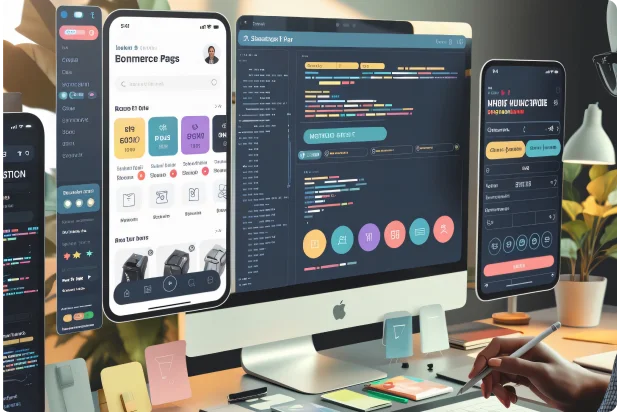




Essential Features for Functional and User-Friendly Web Applications
A successful web application needs more than an attractive interface. Its features should help users complete tasks, access information, and interact with the business efficiently.01
User Registration and Authentication
02
Role-Based Access and Permissions
03
Interactive Dashboards
04
API and Third-Party Integrations
05
Search and Data Management
06
Notifications and Alerts
07
Responsive Interface
01
Business Utilities
02
Profile & account settings
03
Custom dashboard creation
04
Multi-language support
05
File upload/download management
06
Scheduling & calendar integration
07
Data visualization & reporting
01
Smart Integrations
02
Chatbot integration
03
Payment gateway integration
04
Third-party API support
05
CRM/ERP integration
06
Email/SMS automation
07
Social media integration
01
Security & Performance
02
SSL & data encryption
03
Two-factor authentication
04
Session management
05
Firewall & DDoS protection
06
Caching & CDN integration
07
Audit logs & monitoring
How Custom Web Applications Can Support Business Growth
A web application can help businesses improve how they deliver services, manage information, and coordinate work. The benefits depend on the application’s design, adoption, and fit with existing processes.

More Accessible Digital Services
Browser-based applications allow users to access supported services without installing a traditional desktop application. Access depends on connectivity, authentication, and the application’s deployment environment.

More Organized Business Workflows
Custom applications can bring selected tasks and processes into a shared system, helping teams manage information and responsibilities in a more structured way.

Connected Business Data
Integrations can reduce the need to move information manually between disconnected systems. The extent of this benefit depends on data quality and integration design.

Application Flexibility
Web applications can be updated centrally, allowing teams to introduce changes without distributing a separate desktop installation to every user.

Improved User Experience
Interfaces designed around user needs can make common tasks easier to understand and complete. User research, accessibility, and usability testing help guide these decisions.

Support for Changing Business Needs
An application can be extended as requirements evolve, supported by its architecture and maintenance approach to the planned changes.
Why Choose iTechnolabs for Web App Development?
Choosing a web application development company means evaluating how well its team understands your business, handles technical decisions, and communicates throughout the project.

Business-Focused Discovery
We work to understand your business objectives, target users, operational workflows, and application requirements before defining the development approach.

Technical Planning and Architecture
We assess the application’s functional needs, integrations, data requirements, and infrastructure considerations to establish a suitable technical direction.

User-Centered Interface Design
Where design is included in the project, we consider user journeys, navigation, accessibility, and responsive behavior to support practical use.

Integration Planning
We identify relevant internal systems and third-party services early in the process. This helps establish integration requirements and account for dependencies.

Quality-Focused Development
We incorporate appropriate code review, testing, and documentation practices to support application quality and future maintenance.

Collaborative Project Delivery
We define responsibilities, review points, and communication arrangements according to the project scope and engagement model.
Solutions Built Around Industry Requirements
Web applications can support a wide range of industries. The functionality, integrations, and data handling requirements vary depending on the operating environment.


Technologies for Building Connected Web Applications
The stack is selected according to the project’s requirements, existing infrastructure, integration needs, and long-term maintenance considerations.
-
HTML5

-
CSS3
-
JavaScript

-
TypeScript

-
React Native

-
Angular

-
Vue.js

-
Bootstrap

-
Tailwind CSS






-
Node.js

-
Express.js

-
Python

-
Django

-
Flask
-
PHP

-
Laravel
-
Ruby on Rails
-
Java

-
Spring Boot







-
MySQL
-
PostgreSQL
-
MongoDB
-
SQLite
-
Redis


-
Docker

-
Kubernetes
-
Jenkins
-
GitHub Actions
-
Terraform




-
AWS
-
Google Cloud

-
Microsoft Azure
-
IBM

-
Oracle
-
Firebase





-
Figma
-
Adobe XD
-
Sketch
-
Framer
-
Marvel

-
Balsamiq

-
Axure RP

-
Principle




Our Web Application Development Process
Our development process is organized around defining requirements, selecting an appropriate technical approach, building the application, and validating its functionality. The exact activities and deliverables depend on the agreed project scope.
Discovery and
Requirements
We identify business goals, target users, required features, workflows, integrations, and technical constraints. This provides a foundation for defining project scope and priorities.
UI and UX
Design
Where design is included, we create user flows, wireframes, and interface designs based on user needs and application functionality.
Application
Development
We build the frontend, backend, database functionality, APIs, and integrations included in the agreed scope.
Testing and
Validation
We test application workflows, relevant integrations, and expected functionality. Identified issues are addressed according to project priorities and acceptance criteria.
Deployment
and Handover
We prepare the application for its target environment and complete agreed release and handover activities.
Maintenance and
Further Development
Where included in the engagement, we can support updates, issue resolution, and additional application improvements after launch.


Build Web Applications with Quality and Security in Mind
Application security and reliability depend on its architecture, data, integrations, infrastructure, and operational requirements. These considerations should be addressed throughout development.
Authentication and Access Control
Implement suitable authentication and authorization mechanisms to manage who can access application features and information.
Data Protection
Consider appropriate data handling, encryption, secure configuration, and access restrictions based on the sensitivity of the information involved.
Application Testing
Test important workflows, user interactions, integrations, and error handling to identify issues before release.
Performance Assessment
Evaluate application performance against expected usage and technical requirements. Optimization should focus on measured bottlenecks and relevant user experience concerns.
Deployment and Release Validation
Prepare the application for its intended environment and validate important functionality as part of the agreed release process.
Maintenance and Updates
Where covered by the engagement, maintenance may include bug fixes, dependency updates, security improvements, and application enhancements.
Frequently Asked Questions
What does a web app development company do?
A web app development company plans, designs, builds, tests, and deploys browser-based applications. These may include SaaS platforms, business dashboards, customer portals, booking systems, and custom applications. The scope depends on business requirements, integrations, and technical complexity.
How much does it cost to develop a web application?
The cost depends on application functionality, design requirements, integrations, security needs, technology choices, and team structure. A reliable estimate requires an assessment of the project scope and expected deliverables.
How long does it take to develop a web application?
The timeline depends on the number and complexity of features, integrations, design requirements, testing, and deployment needs. A project estimate should be based on defined requirements rather than a generic development timeframe.
What is the difference between a website and a web application?
A website primarily presents information, while a web application allows users to interact with functionality such as accounts, dashboards, transactions, or workflow tools. The distinction can overlap, depending on the website’s features.
Can a web application integrate with our existing business systems?
Yes, web applications can integrate with compatible systems through APIs, webhooks, or other supported integration methods. Feasibility depends on the connected platforms, access permissions, data formats, and integration requirements.
Can you modernize an existing web application?
An existing application can be assessed for modernization, including improvements to its architecture, interface, integrations, or technology stack. The approach depends on the current codebase, dependencies, business priorities, and required functionality.
Are web applications suitable for mobile users?
Web applications can be designed with responsive interfaces that adapt to different screen sizes. Mobile usability depends on the application’s design, browser support, performance, and required device capabilities.
How do you protect web applications from security risks?
Security measures depend on the application’s architecture, data, users, and deployment environment. Appropriate practices may include access controls, secure configuration, input validation, testing, and ongoing maintenance.
Do you provide support after a web application is launched?
Post-launch support may include bug fixes, updates, maintenance, and further development, depending on the agreed engagement. Confirm the support scope, response arrangements, and commercial terms before the project begins.
Can I hire dedicated web application developers?
Dedicated developers may be suitable when you need ongoing development capacity or specific technical expertise. Team composition, availability, responsibilities, and engagement terms depend on your project requirements.