The global shift toward cashless economies has accelerated the rise of digital wallets, transforming how consumers store, send, and spend money. From everyday retail payments to cross-border transfers and embedded finance, mobile wallets are now at the center of modern financial ecosystems. What was once a convenience is quickly becoming a necessity in the digital-first world.
The numbers clearly highlight this rapid growth. By 2026, digital wallet users are expected to surpass 5.2–5.3 billion globally, meaning more than half of the world’s population will rely on wallet-based payments. Additionally, digital wallets already account for over 50% of global eCommerce transactions and continue to dominate online and contactless payments. With mobile payment volumes crossing trillions annually and adoption growing across regions like the Asia-Pacific and emerging markets, digital wallets are reshaping global commerce at an unprecedented pace.
For businesses across fintech, retail, and banking, digital wallet development is no longer optional — it’s a strategic necessity. Companies are investing heavily in secure, scalable wallet platforms to meet rising demand for seamless payments, financial inclusion, and embedded finance experiences.
In this guide, we’ll break down everything you need to know about digital wallet app development in 2026, including types, features, tech stack, development process, cost, and future trends.
- Digital wallets dominate modern payments worldwide.
- Adoption is growing rapidly across all industries.
- Security and compliance are critical factors.
- Development cost depends on features.
- AI and fintech drive future innovation.
- Digital wallets are transforming global payments, enabling seamless peer-to-peer transfers, contactless payments, and embedded finance across multiple industries and use cases.
- Businesses are rapidly investing in wallet development to meet rising demand for secure, fast, and scalable digital payment experiences.
- Strong security measures like encryption, biometrics, and compliance standards are essential for building user trust and preventing fraud.
- Development costs vary widely depending on features, integrations, platform complexity, and regulatory requirements across different regions.
- Emerging technologies like AI, blockchain, and super apps will shape the future of digital wallet innovation and growth.
Table of Contents
- What is a Digital Wallet?
- Types of Digital Wallets
- Must-Have Features of a Digital Wallet App
- How to Create a Digital Wallet: 7-Step Development Process
- Technology Stack Used for Digital Wallet Development
- Security & Compliance Requirements
- Cost of Digital Wallet App Development
- Monetization Strategies for Digital Wallets
- Challenges in Digital Wallet Development
- Future Trends in Digital Wallet Development (2026 & Beyond)
- Why Choose iTechnolabs for Digital Wallet Development
- Conclusion
- FAQs
What is a Digital Wallet?
A digital wallet is a software-based financial application that allows users to store money electronically and perform transactions without using physical cash or cards. It acts as a secure virtual payment solution that enables users to send and receive money, make online and offline purchases, pay bills, and manage financial activities directly from their smartphones or web platforms.
Digital wallets serve as a bridge between users, banks, and payment networks, ensuring fast and secure transactions through encryption and authentication technologies. They support multiple payment methods, including bank accounts, debit/credit cards, and even cryptocurrencies in some cases. With the rise of cashless economies and mobile-first users, digital wallets have become a core part of everyday financial interactions across industries like retail, travel, fintech, and eCommerce.
Modern digital wallets go beyond basic payments by integrating advanced technologies such as biometric authentication, AI-driven fraud detection, real-time analytics, and multi-currency support. These innovations make them highly secure, scalable, and capable of delivering seamless financial experiences globally.
Key Highlights of Digital Wallets
- Store money and payment credentials digitally: Digital wallets allow users to store funds, debit/credit card details, and bank account information securely in one place, eliminating the need to carry physical wallets.
- Enable fully cashless and cardless transactions: Users can complete payments without using physical cash or cards, making transactions faster, more convenient, and aligned with the growing cashless economy.
- Support both online and offline payments; Digital wallets work across eCommerce platforms, mobile apps, and physical stores through QR codes, NFC, and contactless payment technologies.
- Seamlessly integrate with banks and financial systems: Most wallets connect directly with banking infrastructure, enabling real-time transfers, balance checks, and seamless payment processing.
- Allow instant peer-to-peer money transfers: Users can send and receive money instantly, making wallets ideal for personal transfers, splitting bills, and cross-border remittances.
- Enable QR code and contactless payments: Technologies like NFC and QR scanning allow tap-and-pay or scan-and-pay experiences, improving transaction speed and reducing friction at checkout.
- Store digital assets beyond money: Modern wallets can hold loyalty cards, coupons, tickets, boarding passes, and even digital IDs, turning them into multi-functional lifestyle apps.
- Use encryption and security layers for protection: Advanced encryption, tokenization, and secure APIs protect sensitive financial data and minimize risks of fraud or data breaches.
- Include biometric authentication features: Many wallets use fingerprint scanning, facial recognition, and multi-factor authentication to enhance security and improve user trust.
- Support global and multi-currency transactions: Advanced digital wallets allow users to manage multiple currencies and make international payments, making them ideal for global businesses and travelers.
Types of Digital Wallets
Before starting digital wallet development, choosing the right wallet type is one of the most important decisions. Each type serves a different business model, regulatory requirement, and user need. The choice impacts features, compliance complexity, scalability, and monetization potential.
Here are the major types of digital wallets explained in detail:
1. Closed Wallets
Closed wallets are designed for use within a specific ecosystem and cannot be used outside the issuing platform. These wallets are commonly offered by eCommerce companies, travel platforms, and gaming apps to retain customers and encourage repeat purchases.
Users can store money in the wallet and use it only for transactions within that brand’s services. Refunds, cashback rewards, and store credits are often issued as closed wallet balances.
Examples of use cases:
- eCommerce store wallets
- Food delivery apps
- Gaming platforms
Pros:
- Simple compliance requirements
- High customer retention
- Easy to develop and manage
Limitations:
- Limited usability outside the platform
- No withdrawals or external transfers
2. Semi-Closed Wallets
Semi-closed wallets allow users to make transactions with a network of approved merchants and partners but typically do not allow cash withdrawals. These wallets are widely used in fintech and payment apps because they offer flexibility while maintaining moderate regulatory requirements.
They enable users to pay at multiple stores, apps, and service providers that are integrated into the wallet’s payment ecosystem.
Key characteristics:
- Merchant partnerships required
- No ATM withdrawals
- Supports bill payments and shopping
Use cases:
- Mobile payment apps
- Utility payment platforms
- Super apps with partner ecosystems
Semi-closed wallets strike a balance between usability and regulatory complexity, making them a popular choice for startups.
3. Open Wallets
Open wallets offer the highest level of functionality and are typically issued in collaboration with banks or licensed financial institutions. These wallets allow users to store funds, transfer money, make payments, and withdraw cash from ATMs.
They function similarly to digital bank accounts and often support features like international remittances, debit cards, and financial services.
Key features:
- ATM withdrawals supported
- Bank-grade security and compliance
- Full financial ecosystem integration
Examples:
- Bank-backed mobile wallets
- Neo-banking apps
Challenges:
- Strict regulatory compliance
- Higher development and licensing costs
Despite the complexity, open wallets provide maximum flexibility and trust, making them ideal for enterprise fintech products.
4. Crypto Wallets
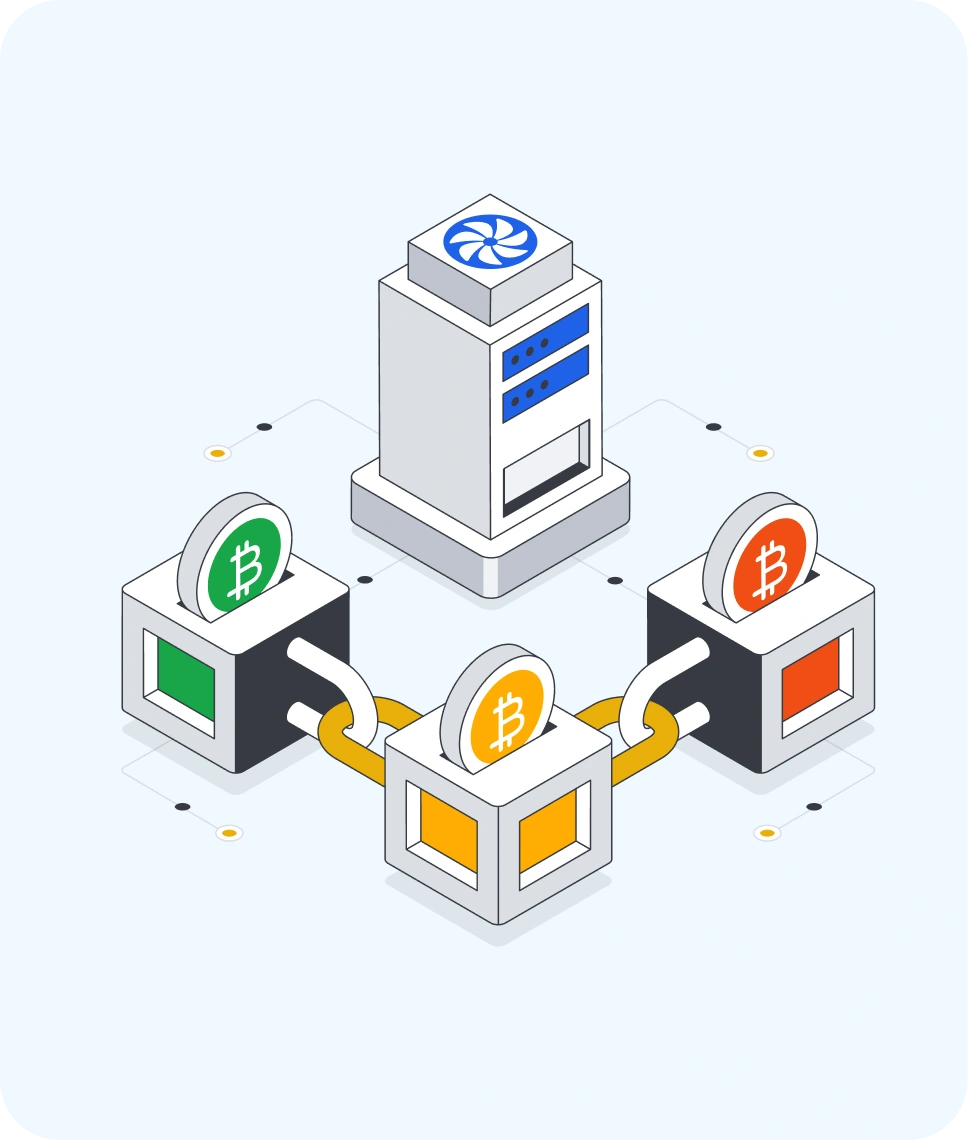
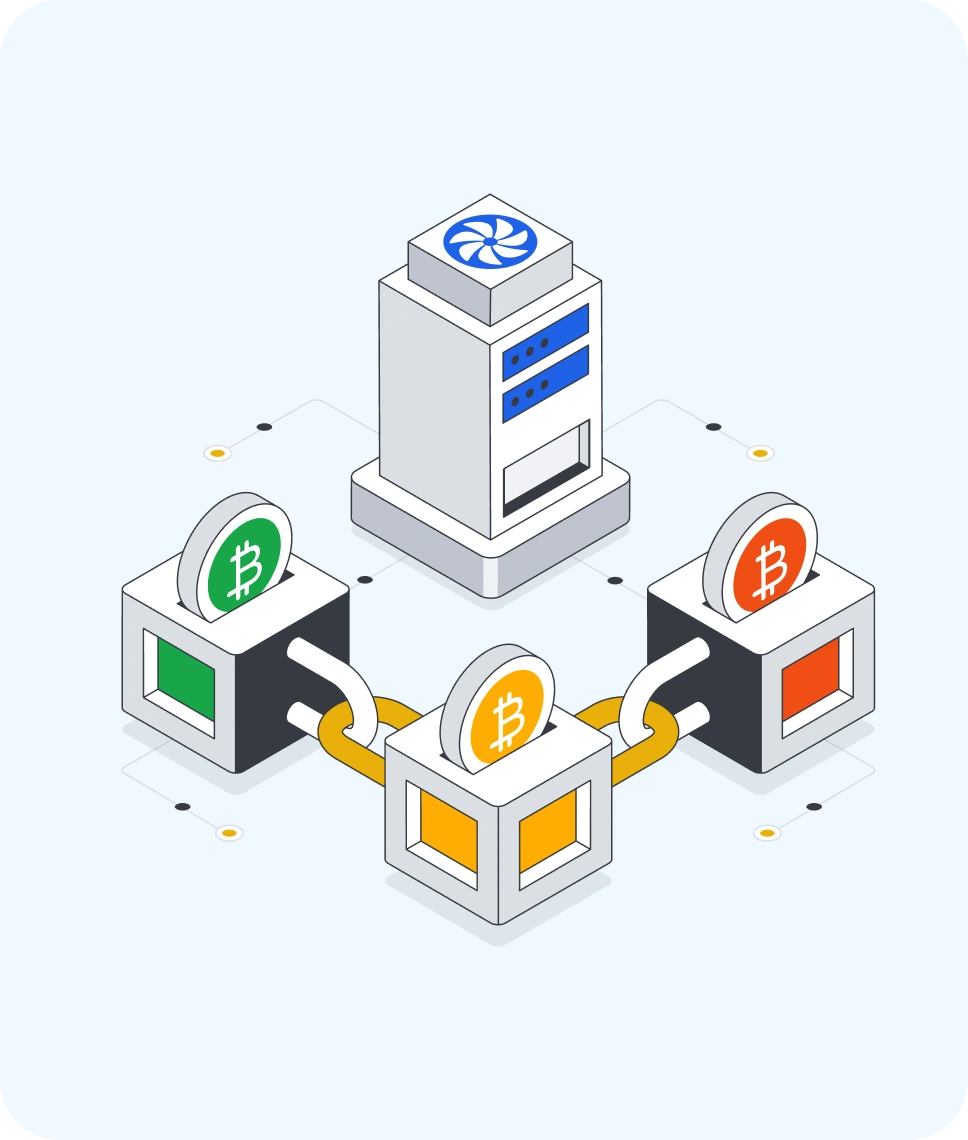
Crypto wallets are designed to store, manage, and transact digital currencies like Bitcoin, Ethereum, and other blockchain-based assets. Unlike traditional wallets, they do not store money directly but hold private keys that give users access to their crypto holdings.
These wallets can be custodial (managed by a platform) or non-custodial (fully controlled by users), depending on the level of decentralization.
Types of crypto wallets:
- Hot wallets (online, app-based)
- Cold wallets (offline, hardware-based)
Key capabilities:
- Blockchain transactions
- Token storage and swaps
- DeFi and NFT integration
Crypto wallets are gaining popularity as Web3 adoption grows, though they come with higher security and regulatory challenges.
Key Takeaway
Selecting the right digital wallet type depends on your business goals, regulatory environment, and target audience. Closed wallets work well for brand ecosystems, semi-closed wallets suit startups, open wallets power fintech platforms, and crypto wallets enable Web3 innovation.
Understanding these differences helps businesses build the right foundation for scalable and compliant wallet development.
Must-Have Features of a Digital Wallet App
A successful digital wallet is built on a powerful combination of usability, security, and scalability. The right feature set ensures seamless transactions, strong user trust, and long-term product growth. While basic features enable core functionality, advanced features help differentiate your wallet and support large-scale adoption.
Below is a structured breakdown of essential digital wallet features.
Basic Features (Core Functionality)
These features form the foundation of any digital wallet and are necessary to launch a functional and user-friendly product.
1. User Registration & Secure Authentication
A smooth yet secure onboarding experience is essential. Users should be able to sign up using mobile numbers or emails with OTP verification, multi-factor authentication, and optional biometric login to ensure account safety.
2. Wallet Balance & Dashboard
The dashboard acts as the control center where users can view wallet balances, linked accounts, recent transactions, and quick payment options. A clear and intuitive interface builds transparency and trust.
3. Fund Loading & Transfers
Users should be able to add money via cards, bank transfers, or regional payment systems and transfer funds instantly to other users or bank accounts with minimal friction.
4. Transaction History
A detailed transaction log allows users to track payments, refunds, and transfers. Features like filters, search, and downloadable statements improve financial visibility and usability.
5. QR Code Payments
QR-based payments enable fast and affordable transactions at offline stores and online platforms. Static and dynamic QR support makes wallets accessible across markets.
Advanced Features (For Scalability & Differentiation)
These features transform a simple wallet into a full-fledged fintech platform and help improve engagement, retention, and monetization.
1. Multi-Currency Support
Allows users to store and transact in multiple currencies, making the wallet suitable for global users, travelers, and cross-border commerce.
2. Peer-to-Peer (P2P) Payments
Instant P2P transfers enable users to send money using phone numbers, contacts, or usernames. Features like split bills and social payments enhance usability.
3. Bill Payments & Recharges
Integrating utilities, subscriptions, and mobile recharges turns the wallet into a daily-use financial tool, increasing user retention and engagement.
4. NFC & Contactless Payments
NFC technology enables tap-to-pay functionality for faster checkouts at physical retail stores and supports wearables and smart devices.
5. AI-Powered Fraud Detection
AI-driven systems monitor transaction patterns in real time to detect suspicious behavior, reduce fraud risks, and enhance platform security.
6. Loyalty Programs & Rewards
Cashback offers, referral bonuses, and gamified rewards encourage repeat usage and strengthen customer loyalty while boosting lifetime value.
7. Push Notifications & Smart Alerts
Real-time alerts for transactions, offers, and security updates keep users informed and engaged while improving transparency.
8. Admin Panel & Analytics
A robust backend dashboard enables businesses to monitor transactions, manage users, detect fraud, and access real-time analytics for better decision-making.
Why Feature Planning Matters
The features you choose directly impact development cost, compliance complexity, and scalability. Most businesses start with core features to launch an MVP and gradually add advanced capabilities as the user base grows.
A well-planned feature roadmap ensures faster time-to-market, better user adoption, and a scalable foundation for future fintech innovation.
How to Create a Digital Wallet: 7-Step Development Process
Building a digital wallet requires a structured approach that balances product strategy, regulatory compliance, secure architecture, and continuous innovation. Since digital wallets handle sensitive financial data, every stage of development must focus on security, scalability, and seamless user experience.
Here’s a detailed 7-step roadmap to building a successful digital wallet app.
1. Define Product Strategy & Wallet Type
The foundation of a successful digital wallet starts with a clear product vision. Identify your target audience, business model, and the problem your wallet aims to solve. Decide whether you’re building a closed, semi-closed, or open wallet based on your market and regulatory scope.
Key factors to define:
- Target users (consumers, merchants, enterprises)
- Core features and monetization model
- Geographic market and compliance needs
- Unique value proposition
A strong product strategy reduces development risks and ensures market relevance.
2. Conduct Market Research & Compliance Planning
Before development begins, conduct deep market and regulatory research. Understanding user expectations, competitor offerings, and financial regulations helps you build a compliant and competitive wallet.
Focus areas:
- Competitor analysis and feature benchmarking
- Regional payment trends and user behavior
- Licensing and regulatory requirements
- KYC, AML, and data privacy laws
Early compliance planning prevents costly legal challenges later.
3. Design Intuitive UI/UX
User experience plays a crucial role in digital wallet adoption. A clean, intuitive interface builds trust and ensures users feel confident while managing money.
Design priorities:
- Simple onboarding and KYC flows
- Clear dashboard and balance visibility
- Minimal steps for payments and transfers
- Accessibility across devices
A well-designed UI improves retention and reduces user friction.
4. Build Secure Architecture
Security is the backbone of any fintech product. Designing a strong security architecture ensures protection against fraud, breaches, and data theft.
Core security components:
- End-to-end encryption
- Tokenization of payment data
- Multi-factor authentication
- Biometric login support
- AI-driven fraud detection
Embedding security early ensures long-term user trust and regulatory readiness.
5. Develop the Wallet App
This is the core implementation phase where frontend and backend systems are built and integrated with the financial infrastructure.
Development scope:
- Mobile app development (iOS, Android, or cross-platform)
- Backend APIs and database architecture
- Payment gateway and banking integrations
- Cloud hosting and scalability setup
Choosing the right tech stack ensures performance and scalability.
6. Testing, Compliance Validation & Launch
Before going live, extensive testing ensures the wallet is secure, stable, and compliant. Financial apps require rigorous quality assurance compared to standard apps.
Testing includes:
- Functional and usability testing
- Security and penetration testing
- Performance and load testing
- Compliance validation
After testing, deploy using a phased launch strategy like beta releases or region-specific rollouts.
7. Post-Launch Optimization & Scaling
Digital wallet development is an ongoing process. Continuous improvements are essential for security, user retention, and feature expansion.
Post-launch priorities:
- Bug fixes and performance optimization
- Feature enhancements and integrations
- Security patches and updates
- User feedback implementation
- Scaling infrastructure as usage grows
Regular updates ensure long-term growth and competitiveness in the fintech market. and ensuring compliance.
Technology Stack Used for Digital Wallet Development
Choosing the right technology stack is critical for building a secure, scalable, and high-performance digital wallet. Since wallet apps handle real-time financial transactions and sensitive data, the tech stack must support strong security, seamless integrations, and long-term scalability.
A well-architected stack typically includes frontend technologies for user experience, backend systems for transaction processing, and cloud infrastructure for scalability and reliability.
1. Frontend Technologies
The frontend defines the user experience and overall usability of the digital wallet. It should deliver smooth performance, responsive design, and secure interactions across devices.
Native Development
Native apps offer the best performance and security for fintech products.
- Swift for iOS app development
- Kotlin for Android app development
Native development is ideal for high-performance wallets with advanced security and hardware-level integrations.
Cross-Platform Development
Cross-platform frameworks allow faster development across multiple platforms using a single codebase.
- Flutter for fast, scalable UI development
- React Native for reusable components and faster time-to-market
These frameworks are popular among startups aiming to reduce development costs and launch quickly.
2.Backend Technologies
The backend is the engine that powers transactions, user authentication, and payment processing. It must handle real-time data processing while ensuring high security and uptime.
Backend Programming Languages
- Node.js for scalable, real-time applications
- Java for enterprise-grade fintech platforms
- Python for AI integrations and rapid development
Databases
Secure and scalable databases are essential for storing transaction data and user information.
- PostgreSQL for structured financial data
- MongoDB for flexible and scalable storage
A robust backend ensures reliable transaction processing and secure data handling.
3. Cloud & Infrastructure
Cloud infrastructure provides the scalability and reliability needed for handling millions of transactions and users.
Leading Cloud Platforms
- Amazon Web Services (AWS) for scalable and secure deployments
- Google Cloud Platform (GCP) for AI-powered infrastructure and analytics
- Microsoft Azure for enterprise-grade cloud solutions
Cloud services enable auto-scaling, high availability, disaster recovery, and advanced security controls.
4. Why the Right Tech Stack Matters
The technology stack you choose directly impacts your wallet’s performance, scalability, and security. A well-planned stack ensures seamless user experiences, faster transaction processing, and easier feature expansion in the future.
Businesses should select technologies based on their product goals, scalability needs, and compliance requirements to build a future-ready digital wallet platform.
Security & Compliance Requirements
Security and compliance are the backbone of any digital wallet. Since these platforms handle highly sensitive financial and personal data, they must adhere to strict global and regional regulations. A single security lapse can lead to financial losses, legal penalties, and irreversible damage to brand trust.
To build a reliable and scalable digital wallet, businesses must implement strong security frameworks while ensuring compliance with financial regulations and data protection laws.
Below are the most important security and compliance requirements for digital wallet development.
1. PCI-DSS Compliance (Payment Security)
The Payment Card Industry Data Security Standard (PCI-DSS) is a global security standard designed to protect cardholder data during transactions. Any digital wallet that processes debit or credit card payments must comply with PCI-DSS requirements.
Key elements include:
- Secure storage of cardholder data
- Strong encryption protocols
- Regular vulnerability assessments
- Secure payment gateways
PCI compliance ensures safe card transactions and protects users from payment fraud.
2. Data Privacy Regulations (GDPR & Regional Laws)
Digital wallets must comply with global and regional data privacy regulations to ensure safe handling of user data.
Major regulations include:
- GDPR (Europe)
- CCPA (California)
- Regional data protection laws (India DPDP Act, etc.)
Compliance requirements:
- Transparent data collection policies
- User consent management
- Right to data deletion
- Secure data storage
Adhering to privacy laws builds user trust and prevents heavy legal penalties.
3. KYC (Know Your Customer) Compliance
KYC verification ensures that wallet providers can verify user identities and prevent misuse of financial services. It is mandatory in most countries for regulated fintech apps.
KYC processes may include:
- Identity document verification
- Facial recognition and liveness checks
- Address verification
- Risk profiling
Strong KYC frameworks help prevent identity fraud and unauthorized transactions.
4. AML (Anti-Money Laundering) Regulations
Anti-Money Laundering (AML) compliance ensures that digital wallets are not used for illegal financial activities such as money laundering or terrorist financing.
AML requirements include:
- Transaction monitoring systems
- Suspicious activity reporting
- Risk scoring models
- Compliance audits
Integrating AML tools helps businesses stay compliant with financial authorities and avoid regulatory penalties.
5. End-to-End Encryption & Tokenization
Encryption is a core security requirement for protecting financial data across the wallet ecosystem. End-to-end encryption ensures that data remains secure during storage and transmission.
Security mechanisms include:
- AES-256 encryption
- Tokenization of payment data
- Secure key management
- Encrypted APIs
These technologies prevent unauthorized access and protect users from data breaches.
6. Multi-Factor Authentication (MFA)
Multi-factor authentication adds an extra layer of protection beyond passwords. It ensures that only authorized users can access wallet accounts.
Common MFA methods:
- OTP-based verification
- Biometric authentication (fingerprint, face ID)
- Device-based authentication
MFA significantly reduces the risk of account takeovers.
7. Fraud Detection & Risk Monitoring
Modern digital wallets rely on AI-powered fraud detection systems to identify suspicious activity in real time.
Capabilities include:
- Behavioral analytics
- Anomaly detection
- Real-time transaction monitoring
- Risk scoring engines
Proactive fraud prevention protects both users and businesses from financial losses.
8. Why Security & Compliance Matters
Strong security and compliance frameworks are not just regulatory requirements — they are key drivers of user trust and long-term success. A compliant digital wallet is more likely to gain user adoption, partner with financial institutions, and expand into global markets.
By prioritizing security from the early development stages, businesses can minimize risks, avoid legal complications, and build a future-ready fintech platform.
Cost of Digital Wallet App Development
The cost of developing a digital wallet app can vary from $40,000 for basic version to $600,000 for advanced & enterprise level version, depending on the product’s complexity, security requirements, and scalability goals. Unlike standard mobile apps, digital wallets require advanced infrastructure, regulatory compliance, and robust security layers, which directly impact the development budget.
From a basic MVP wallet to a full-scale enterprise fintech platform, the overall investment depends on several key factors.
Key Factors Affecting Development Cost
- Feature Complexity: The number and sophistication of features play a major role in determining cost. Basic wallets with core payment features cost less, while AI-driven and multi-currency wallets require higher investment.
- Technology Stack: Choosing between native and cross-platform development, backend architecture, and cloud infrastructure affects both initial development cost and long-term scalability.
- Security Requirements: Advanced security layers such as encryption, tokenization, biometric authentication, and fraud detection systems significantly increase development effort and cost.
- Third-Party Integrations: Integrations with payment gateways, banking APIs, KYC providers, and analytics platforms add to both development and operational expenses.
- Development Location: The region where your development team is based (India, Eastern Europe, US, etc.) can dramatically influence pricing due to differences in hourly rates.
Estimated Cost Breakdown
Here’s a general cost estimate based on wallet complexity and feature depth.
| Wallet Type | Estimated Cost | Description |
| Basic Wallet (MVP) | $40,000 – $100,000 | Core features like registration, balance tracking, transfers, and QR payments. Ideal for startups and pilots. |
| Mid-Level Wallet | $100,000 – $250,000 | Includes P2P payments, bill payments, enhanced security, and third-party integrations. Suitable for scaling fintech products. |
| Advanced Wallet | $250,000 – $600,000+ | Multi-currency support, AI fraud detection, NFC payments, and enterprise-grade security. Designed for large-scale platforms. |
| Enterprise Fintech Platform | $600,000 – $1M+ | Full-scale ecosystems with banking integrations, compliance frameworks, analytics, and global scalability. |
Additional Cost Considerations
Beyond development, businesses should also account for ongoing operational costs, including:
- Cloud infrastructure and hosting
- Compliance and legal costs
- Security updates and audits
- Maintenance and feature upgrades
These recurring costs are essential for maintaining a secure and scalable digital wallet ecosystem.
Monetization Strategies for Digital Wallets
Digital wallets offer multiple revenue opportunities beyond simple transactions. With the right monetization strategy, businesses can generate recurring income while delivering value-added financial services. Most successful wallet platforms use a combination of monetization models to diversify revenue streams and ensure long-term profitability.
Here are the most effective monetization strategies for digital wallets:
1. Transaction Fees
Charging a small fee per transaction is one of the most common monetization methods. Wallet providers can earn from peer-to-peer transfers, cross-border payments, or instant bank withdrawals. Even minimal fees can generate significant revenue at scale.
2. Premium Subscriptions
Offering premium tiers with advanced features such as higher transfer limits, priority support, analytics dashboards, or international payments can create predictable recurring revenue.
3. Merchant Commissions
Digital wallet providers can partner with merchants and earn commissions on payments processed through the platform. This is especially effective in eCommerce, food delivery, and super app ecosystems.
4. Interchange Fees
When users pay using wallet-linked debit or virtual cards, wallet providers can earn interchange fees from card networks and banks. This model is widely used by fintech and neobanking platforms.
5. Lending & Buy Now, Pay Later (BNPL)
Advanced wallets can generate revenue through financial services such as microloans, BNPL solutions, and credit lines. These services unlock high-margin revenue streams and deepen user engagement.
Why Monetization Strategy Matters
A strong monetization plan ensures sustainable growth without compromising user experience. By combining transaction-based revenue with financial services and partnerships, digital wallets can build scalable and profitable ecosystems.
Challenges in Digital Wallet Development
While digital wallets offer massive growth potential, building one comes with significant technical, regulatory, and operational challenges. Understanding these obstacles early helps businesses plan better and avoid costly setbacks.
Here are the key challenges in digital wallet development:
1. Regulatory Compliance
Fintech regulations vary across countries and regions, making compliance complex for global wallet providers. Businesses must navigate licensing requirements, KYC/AML rules, and evolving financial regulations to operate legally.
2. Security Risks
Digital wallets are prime targets for cyberattacks, fraud, and data breaches. Implementing robust security frameworks, encryption, and real-time fraud detection is essential but requires continuous investment and monitoring.
3. Scalability Challenges
As the user base grows, wallets must handle high transaction volumes without performance issues. Scaling infrastructure while maintaining speed, uptime, and reliability can be technically demanding.
4. Building User Trust
Trust is critical in fintech adoption. Even minor security issues or poor user experience can impact credibility. Ensuring strong security, transparency, and intuitive design is essential for gaining and retaining users.
5. Integration Complexity
Digital wallets often rely on multiple third-party integrations such as payment gateways, banks, KYC providers, and analytics tools. Managing these integrations while ensuring reliability and compliance can be challenging.
Future Trends in Digital Wallet Development (2026 & Beyond)
The digital wallet landscape is evolving rapidly as emerging technologies reshape how users interact with financial services. What started as a simple payment tool is now transforming into a comprehensive financial ecosystem powered by AI, automation, and embedded finance.
Here are the key trends shaping the future of digital wallet development.
1. AI-Powered Financial Assistants
Artificial intelligence is transforming digital wallets into intelligent financial companions. AI-driven assistants can analyze spending behavior, provide budgeting recommendations, automate savings, and offer personalized financial insights in real time.
In the future, wallets will:
- Provide predictive expense tracking
- Offer smart savings automation
- Detect fraud proactively
- Deliver personalized financial advice
AI will make wallets smarter, more personalized, and more proactive.
2. Biometric-First Authentication
Security is shifting toward biometric-first authentication methods that eliminate reliance on passwords and OTPs. Technologies like facial recognition, fingerprint scanning, and behavioral biometrics will become standard.
Emerging biometric trends:
- Face ID and fingerprint authentication
- Voice biometrics
- Behavioral biometrics (typing patterns, gestures)
Biometric-first security will enhance both user convenience and fraud prevention.
3. Blockchain Integration
Blockchain is expected to play a major role in the evolution of digital wallets, enabling decentralized transactions and transparent financial systems. Wallets may increasingly support crypto assets, tokenized payments, and smart contracts.
Key blockchain applications:
- Crypto and token storage
- Cross-border payments
- Decentralized finance (DeFi) access
- NFT and digital asset support
This will bridge traditional fintech with Web3 ecosystems.
4. Rise of Super Apps
Digital wallets are evolving into super apps that combine payments, shopping, travel, investments, and financial services into a single platform. Inspired by Asian super apps, this model is gaining global traction.
Future wallet ecosystems may include:
- Banking and lending services
- Insurance and investments
- Commerce and subscriptions
- Lifestyle services
Super apps increase user engagement and create powerful digital ecosystems.
5. Embedded Finance Everywhere
Embedded finance is integrating payment and financial capabilities directly into non-financial apps. In the future, digital wallets will power transactions inside ride-hailing apps, eCommerce platforms, gaming ecosystems, and SaaS products.
Examples include:
- In-app checkout wallets
- One-click subscriptions
- Contextual lending
- Invisible payments
Embedded finance will make payments seamless and almost invisible to users.
The Future Outlook
Digital wallets are rapidly evolving from standalone payment tools into full-scale financial platforms that combine payments, banking, AI, and digital identity. As technologies like AI, blockchain, and embedded finance mature, wallets will become central to how people manage money in a digital-first world.
Businesses that invest early in next-generation wallet capabilities will be better positioned to lead the future of fintech innovation.
Why Choose iTechnolabs for Digital Wallet Development
Choosing the right development partner is critical when building a secure and scalable digital wallet. From regulatory compliance to fintech-grade security and seamless user experience, wallet development requires deep technical expertise. iTechnolabs stands out as a trusted partner for businesses looking to build next-generation digital payment solutions.
Here’s why businesses choose iTechnolabs for digital wallet development:
1. Fintech-Focused Expertise
iTechnolabs has extensive experience building fintech applications, including digital wallets, payment apps, and neobanking platforms. Their deep understanding of financial ecosystems ensures secure, compliant, and scalable solutions tailored to modern market needs.
2. End-to-End Development Services
From ideation and UI/UX design to development, testing, and post-launch support, iTechnolabs offers full-cycle digital wallet development. This ensures faster time-to-market and a streamlined development experience.
3. Strong Security & Compliance Standards
Security is at the core of every fintech product built by iTechnolabs. The team follows industry best practices, including PCI-DSS compliance, data encryption, secure APIs, and fraud prevention frameworks to ensure safe transactions and data protection.
4. Scalable & Future-Ready Solutions
iTechnolabs builds wallet platforms using modern tech stacks and cloud-native architecture, ensuring scalability as your user base grows. Their solutions are designed to support high transaction volumes and future fintech integrations.
5. Customizable & Feature-Rich Development
Whether you need a basic MVP wallet or a feature-rich enterprise fintech platform, iTechnolabs delivers tailored solutions aligned with your business goals, target audience, and regulatory requirements.
6. Agile Development Approach
Using agile methodologies, iTechnolabs ensures transparency, faster iterations, and continuous feedback throughout the development cycle. This helps businesses stay aligned with product vision and market demands.
7. Post-Launch Support & Maintenance
Beyond development, iTechnolabs provides ongoing maintenance, security updates, feature enhancements, and scalability support to ensure long-term product success.
Conclusion
Digital wallet development is no longer a future concept — it has become a strategic necessity for businesses operating in today’s digital-first economy. As consumers increasingly shift toward cashless and contactless transactions, digital wallets are redefining how money is stored, transferred, and managed across industries.
By combining the right features, robust security frameworks, and a scalable technology stack, businesses can build powerful wallet solutions that drive user engagement, unlock new revenue streams, and create long-term competitive advantages. From seamless payments to embedded financial services, digital wallets are rapidly evolving into full-scale financial ecosystems.
As digital payments continue to dominate global commerce, investing in a future-ready digital wallet can position your brand at the forefront of fintech innovation. Businesses that embrace this transformation early will be better equipped to scale, innovate, and lead in the rapidly evolving financial landscape.
FAQs
1. What are the key features of a digital wallet app?
A digital wallet app includes features like secure authentication, balance tracking, peer-to-peer transfers, QR and contactless payments, transaction history, and multi-currency support. Advanced wallets may also offer AI fraud detection, bill payments, loyalty programs, and integrations with banking APIs to enhance usability and security.
2. How long does it take to develop a digital wallet app?
The time required depends on complexity, features, and compliance requirements. A basic MVP wallet may take 3–6 months, while mid-level solutions require 6–9 months. Advanced enterprise wallets with integrations, AI security, and compliance frameworks can take 9–12 months or longer.
3. Which industries can benefit from mobile wallet apps?
Mobile wallet apps benefit industries like fintech, retail, eCommerce, travel, healthcare, education, and entertainment. Businesses use wallets for payments, loyalty programs, subscriptions, and financial services. Super apps and marketplaces especially benefit from integrated wallet ecosystems that improve user engagement and transaction efficiency.
4. How do I ensure the security of my mobile wallet app?
Security can be ensured through end-to-end encryption, multi-factor authentication, biometric verification, and tokenization of payment data. Regular security audits, PCI-DSS compliance, and AI-powered fraud detection also help protect sensitive financial data and prevent unauthorized access or cyber threats.
5. Can I integrate my digital wallet with existing banking APIs?
Yes, digital wallets can integrate with banking APIs to enable real-time fund transfers, balance checks, payment processing, and account linking. Open banking frameworks and fintech APIs make integration easier, allowing seamless collaboration with banks, payment gateways, and financial service providers.
6. How much does it cost to maintain a digital wallet app?
Maintenance costs depend on hosting, security updates, compliance audits, and feature upgrades. Typically, businesses spend 15–25% of initial development costs annually. Expenses include cloud infrastructure, monitoring tools, customer support, and ongoing improvements to ensure performance, scalability, and security.
7. What is the future of digital wallet apps?
The future of digital wallets includes AI-powered financial assistants, biometric authentication, embedded finance, and blockchain integration. Wallets are evolving into super apps that combine payments, banking, and lifestyle services, enabling seamless financial experiences across digital ecosystems and reshaping how users interact with money globally.