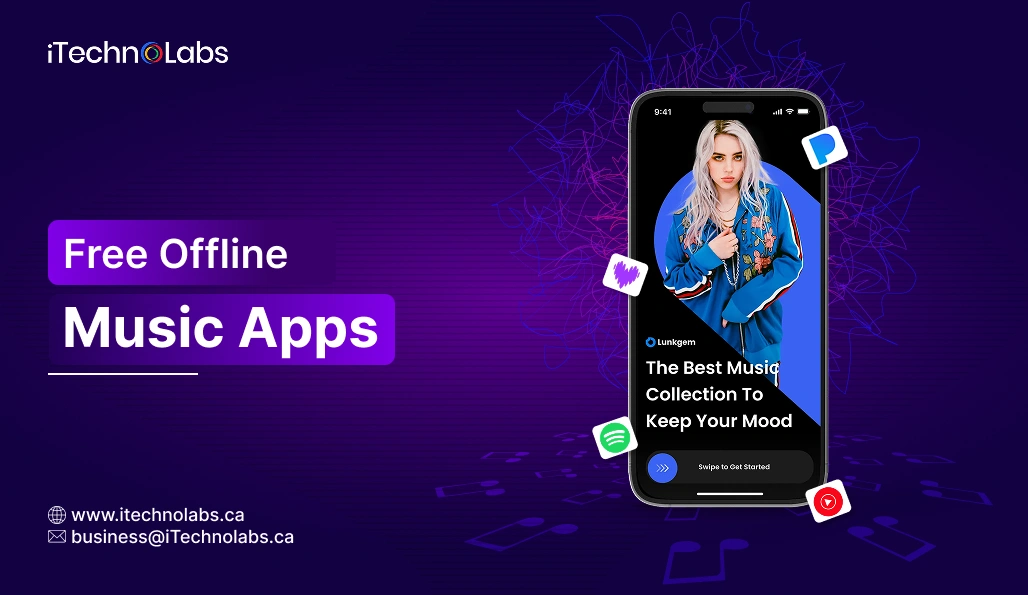
Streaming music provides users with easy access to their music until they experience a signal loss or when their mobile data is depleted or when they pass through areas with weak network coverage. The user demand in 2026 for free offline music applications that provide constant music playback serves as the reason for this trend. The functionality of offline music applications enables users to listen to music without interruptions while they travel on public transport or airplanes or when they want to conserve their mobile data.
The guide presents users with two options, which include MP3 file storage on mobile devices and offline streaming through streaming services. The guide provides users with useful information about free offline music applications, which will assist them in finding their preferred music applications that enable offline listening.
25 Must-Try Free Offline Music Apps in 2026
Here’s a plain list of offline music apps you can look at for 2026. Simple.
And yeah, some of these actually play music you already have saved on your phone (local files), while the streaming ones usually make you pay if you want downloads that work with no internet. So, which kind are you after? (Because it changes the answer fast.)
Quick Comparison Table: 25 Offline Music Apps (2026)
| App Name | Works Offline Type | Best For | Offline Downloads | Platform |
| VLC Media Player | Local files | Completes tasks using tools and steps. | Not needed | Android, iOS, PC |
| Musicolet | Local files | Lightweight offline listening | Not needed | Android |
| AIMP | Local files | Large music libraries | Not needed | Android, PC |
| Pulsar Music Player | Local files | Clean UI + playlists | Not needed | Android |
| BlackPlayer | Local files | Customization + themes | Not needed | Android |
| Poweramp (Free Trial) | Local files | Best sound and EQ | Not needed | Android |
| Oto Music | Local files | Modern UI and organization | Not needed | Android |
| Phonograph Music Player | Local files | Simple offline playback | Not needed | Android |
| JetAudio HD Music Player | Local files | Audio effects and tuning | Not needed | Android |
| Pi Music Player | Local files | Casual offline use | Not needed | Android |
| Stellio Music Player | Local files | Premium UI + sound | Not needed | Android |
| MediaMonkey | Local files | Library management | Not needed | Android, PC |
| Spotify | Streaming and offline mode | Playlists and discovery | Premium mostly | Android, iOS, PC |
| YouTube Music | Streaming and offline mode | Remixes and discovery | Premium mostly | Android, iOS |
| Apple Music | Streaming and offline mode | iOS offline downloads | Paid | iOS, Android |
| Amazon Music | Streaming and offline mode | Prime/Alexa users | Paid | Android, iOS |
| Deezer | Streaming and offline mode | Spotify alternative | Premium | Android, iOS |
| SoundCloud | Streaming and offline mode | Indie + creator content | Plan-based | Android, iOS |
| Pandora | Streaming and offline mode | Radio-style listening | Premium | Android, iOS |
| Gaana | Streaming and offline mode | Indian music | Plan-based | Android, iOS |
| JioSaavn | Streaming and offline mode | Regional + Hindi | Premium mostly | Android, iOS |
| Wynk Music | Streaming and offline mode | Bollywood + regional | Plan-based | Android, iOS |
| Audiomack | Streaming/offline friendly | Trending + creator music | Varies | Android, iOS |
| Trebel | Offline download focused | Legal free downloads | Supported regions | Android, iOS |
| Napster | Streaming + offline mode | Simple paid offline | Paid | Android, iOS |
Also Read : AI App Development in 2026: A Complete Guide for Businesses
1) VLC Media Player

VLC is a solid pick for offline music. Simple. It plays your local files without making a fuss, handles pretty much any audio format you throw at it, and it doesn’t choke even on older, cheaper phones that struggle with heavier apps. And if you’re just trying to hit play—no ads, no weird extra stuff, no clutter, why overthink it? VLC usually ends up being the go-to free offline player.
- Plays almost all formats
- Fully offline playback
- Lightweight and stable
- No forced sign-in
- Works on most devices
2) Musicolet

Musicolet is a lightweight offline music player designed for people who want smooth playback without distractions. It scans your local files quickly and provides strong playlist and queue controls. For users searching music apps that work offline and feel simple, Musicolet is an excellent option.
- Offline MP3/local playback
- Strong queue controls
- Playlist-friendly
- Minimal UI
- Fast library scan
3) AIMP

AIMP is a powerful offline app built for stable library handling and wide format support. It’s a great choice for users managing large music collections. If you want a feature-rich offline music player with good sound output and reliable performance, AIMP is one of the best offline music apps available.
- Wide format support
- Smooth offline playback
- Handles large libraries
- Strong sound quality
- Customizable interface
4) Pulsar Music Player

Pulsar is a clean, modern offline music app that focuses on simplicity. It offers smooth navigation, playlist features, and stable local playback. For users who want a balanced offline experience without heavy customization, Pulsar performs well and remains a strong choice among free offline music apps.
- Clean user interface
- Reliable offline playback
- Smooth playlist management
- Simple library browsing
- Bluetooth-friendly
5) BlackPlayer

BlackPlayer is popular for its customization and polished offline listening experience. It works best for users who want local offline music playback with personalized themes and layout control. If you’re searching for the best offline music app that also looks premium, BlackPlayer is a strong candidate.
- Custom themes/layout
- Offline local playback
- Great playlist handling
- Smooth user controls
- Audio tuning features
6) Poweramp (Free Trial)

Poweramp is known for premium-level sound control and audio tuning. It supports offline playback for local files with a powerful equalizer and advanced settings. It’s ideal for users who care about sound quality and want the best offline music app experience, though full features require payment.
- Best-in-class equalizer
- Offline local playback
- Advanced sound controls
- Premium-style interface
- Trial + paid model
7) Oto Music

Oto Music offers a modern interface and smooth offline performance. It’s designed for people who want a clean player that organizes local music easily. If you want a newer offline music app that feels minimal but premium, Oto is a great pick for offline listening anytime.
- Modern clean design
- Offline playback support
- Smooth organization
- Playlist creation tools
- Lightweight performance
8) Phonograph Music Player

Phonograph is a minimal offline music player built for simple local playback. It offers a clean layout, smooth browsing, and easy playlist handling without unnecessary extra features. If your priority is a simple app that works offline, Phonograph is a strong alternative to heavier music players.
- Minimal UI
- Offline local music support
- Fast navigation
- Playlist-friendly
- Easy for beginners
9) JetAudio HD Music Player

JetAudio HD is an offline music player, plain and simple. And it doesn’t stop at just playing files, it throws in a pile of sound tweaks like effects, EQ presets, and a bunch of knobs you can mess with until the audio feels right (or at least better than before).
But do you actually want more control over how your music sounds, instead of whatever default your phone decides? If you’re after a local/offline player that’s loaded with features and lets you shape the sound to your taste, JetAudio HD is one to put on your list.
- Audio effects and presets
- Offline local playback
- Advanced equalizer
- Supports large libraries
- Feature-heavy interface
10) Pi Music Player

Pi Music Player is a straightforward offline music app for people who just want to hit play and listen. It plays the audio files already on your phone, and you still get the extras—an equalizer, different themes, and playlists. Simple stuff.
And if you’re hunting for a free offline player that won’t make you fight the UI or randomly crash on you (because who has time for that?), Pi Music Player’s an easy pick that does that without a bunch of fuss. So yeah, why overthink it?
- Offline playback
- Built-in equalizer
- Easy playlist controls
- Simple UI
- Lightweight app
Also Read : Discover Top OnlyFans Alternatives For Creators [2026]
11) Stellio Music Player

Stellio is an offline music player that puts design and sound tweaks front and center. Simple.
And yeah, it comes with themes, a bunch of audio controls for tuning how your tracks hit, and local playback that stays smooth even when you’re skipping around a lot—so if you want your music app to look good and feel “right” (whatever that means for you), Stellio’s honestly a solid choice for offline listening.
- Stylish themes
- Offline local playback
- EQ and sound tuning
- Smooth controls
- Premium feel
12) MediaMonkey

MediaMonkey is ideal for users managing large offline music collections. It helps organize local files with metadata, playlists, and structured browsing. If you have thousands of songs on your device and want an offline music app that keeps everything organized, MediaMonkey is one of the best options.
- Best for large libraries
- Offline playback support
- Strong organization tools
- Metadata management
- Playlist control
13) Spotify

Spotify is a leading streaming platform known for playlists and recommendations. Offline downloads usually require Premium, but it remains one of the most popular services worldwide. If you want streaming plus offline listening, Spotify is among the best offline music app choices for subscription users.
- Huge music library
- Offline downloads (Premium)
- Strong recommendations
- Multi-device sync
- Playlist ecosystem
14) YouTube Music

YouTube Music is great for discovery, remixes, and live versions. Offline downloads are typically Premium-only, but its content variety is excellent. For users wanting mainstream hits plus unique content and offline availability, YouTube Music is a strong alternative among music apps that work offline.
- Remixes and live tracks
- Smart recommendations
- Offline downloads (Premium)
- Large catalog variety
- Works across devices
15) Apple Music

Apple Music offers strong audio quality and reliable offline downloads. It’s subscription-based but delivers a smooth experience for iPhone users. For users who want the best offline music app experience within Apple’s ecosystem, Apple Music provides stable downloads, curated playlists, and seamless device integration.
- Offline downloads (Paid)
- Strong audio quality
- Best for iOS users
- Smooth playback
- Great curated playlists
16) Amazon Music

Amazon Music provides streaming and offline downloads in paid plans. It’s a practical choice for users already using Prime or Alexa-enabled devices. If you want offline listening with strong catalog access and ecosystem support, Amazon Music is a good option among premium offline music apps.
- Offline downloads (Paid)
- Works well with Alexa
- Large music catalog
- Good device compatibility
- Easy playlist listening
17) Deezer

Deezer is a streaming service offering premium offline downloads and strong playlist features. Its recommendation system is a key advantage, and offline playback works smoothly once downloaded. If you want an alternative to Spotify with similar offline performance, Deezer can be a strong option.
- Offline downloads (Premium)
- Clean app interface
- Strong recommendations
- Smooth offline mode
- Large global library
18) SoundCloud

SoundCloud is best for indie music, underground releases, and creator-driven tracks. Offline access depends on plan and availability. If you want music apps that work offline while also discovering unique songs not found elsewhere, SoundCloud is a useful platform to explore.
- Best for indie creators
- Unique tracks/remixes
- Offline mode (Plan-based)
- Strong discovery
- Creator community
19) Pandora

Pandora focuses on radio-style music discovery and personalized stations. Offline listening is typically premium-based and works through downloaded stations. If you prefer auto-play radio experiences rather than manual playlists and still want offline playback, Pandora is a strong option in supported regions.
- Radio-style discovery
- Offline stations (Premium)
- Easy background listening
- Personalized music flow
- Strong recommendation engine
20) Gaana

Gaana is a well-known Indian streaming app with a strong Hindi and regional music catalog. Offline listening options vary by plan. For users in India looking for free offline music apps or subscription-based offline downloads with local content, Gaana remains a widely used choice.
- Indian content strength
- Offline mode (Plan-based)
- Trending playlists
- Regional languages
- Easy mobile experience
21) JioSaavn

JioSaavn offers a large music library with Hindi and regional content. Offline downloads are typically premium. It’s ideal for Indian users who want curated playlists, trending releases, and reliable offline listening during travel or commutes. A strong contender among offline music apps in India.
- Strong regional catalog
- Offline downloads (Premium)
- Curated playlists
- Smooth streaming experience
- Popular in India
Also Read : Top 20 Instant Cash Loan Apps in UAE
22) Wynk Music

Wynk Music is popular for Bollywood, Hindi, and regional music. Offline features depend on the plan. It’s designed for mobile-first listeners and works well for users who want trending content with offline playback options. If you prefer Indian catalog-heavy music apps that work offline, Wynk is useful.
- Bollywood and regional songs
- Offline mode (Plan-based)
- Trending playlists
- Simple UI
- India-first content focus
23) Audiomack

Audiomack is widely used for trending music, hip-hop, and new artist releases. Offline listening availability varies but it’s often recommended for offline-friendly access. If you want fresh content and playlists while also exploring offline music listening, Audiomack can be one of the better free offline music apps.
- Trending music focus
- Offline support (Varies)
- Good playlist discovery
- Creator-friendly platform
- Lightweight listening app
24) Trebel

Trebel is known for legal offline downloads in supported regions. It appeals to users who want offline listening without a subscription. If Trebel is available in your country, it can be one of the best free offline music app options for offline downloads and uninterrupted listening without premium plans.
- Free offline downloads (Regions)
- No paid subscription needed
- Offline-first model
- Good for casual listening
- Availability varies
25) Napster

Napster offers subscription-based streaming with offline downloads. While not as mainstream today as Spotify, it still delivers stable offline playback and a clean listening experience. If you want a straightforward streaming service with offline support and curated music discovery, Napster is worth considering.
- Offline downloads (Paid)
- Stable catalog access
- Simple UI experience
- Playlist-friendly
- Available in multiple regions
Key Music Streaming Statistics to Keep an Eye On in 2026
Offline listening is becoming more important because it improves engagement and retention. Users who download music offline usually:
- spend more time listening
- face fewer buffering interruptions
- return more often and stay more loyal
As highlighted in the TrangoTech reference, the demand for offline listening continues rising as mobile streaming grows worldwide.
2026 Trends Worth Watching (With Values)
- Mobile-first streaming growth: Streaming on mobile continues leading, with many platforms seeing 10%–25% yearly growth in emerging markets.
- Offline usage is rising: About 15%–35% of active users typically use offline downloads at least once weekly (a strong indicator of retention).
- Higher listening time: Average listening time often ranges from 45 to 90 minutes/day, with offline users on the higher end.
- Storage optimization competition: Active offline listeners commonly store 1GB–4GB of music on-device.
- AI personalization impact: Recommendation engines can improve session depth by 15%–30%, boosting repeat plays and playlist saves.
How to Choose the Right Offline Music Streaming App for Yourself?
The ideal free offline music application for your listening needs will enhance your music experience. Your personal requirements determine which option you should select between two choices: smooth downloading and improved audio quality and offline functionality.
The following elements represent the key factors that should be evaluated when selecting the optimal offline music application.
1. Consider Your Music Taste
Different apps offer different music libraries, genres, and listening categories. Before choosing, make sure the app supports your preferred music style, such as Bollywood, hip-hop, indie, regional tracks, or podcasts. A strong catalog matters most for long-term use and satisfaction.
2. Offline Accessibility
Not every app handles offline listening the same way. Some say “offline” but still need a connection now and then, so does it actually play with zero data, or not? And check the fine print: are downloads included for everyone, or do they hide them behind a paid plan (annoying, but common)? One more thing, look for traps and gotchas, like download limits or songs that expire after a set time.
3. User-Friendly Interface
A clean and easy interface improves daily listening. Choose a music app that is simple to navigate, has an organized library layout, and provides smooth controls for search, playlists, and playback. This matters a lot when managing offline content.
4. Audio Quality
Your complete experience depends on the sound quality of your system. Some applications provide high-definition audio together with customizable sound options and equalization features. You should choose an application which allows you to enjoy superior audio quality when you listen through headphones or speakers or car audio.
5. Ads and Interruptions
Many free offline music apps include ads, especially in free versions. Some ads can interrupt your listening and affect offline playback. Decide whether you can tolerate ads or prefer a paid plan for a clean and uninterrupted experience.
6. Device Compatibility
Always ensure the app supports your device and OS version. Some apps work better on Android, while others deliver stronger offline features on iOS. Compatibility affects performance, stability, and access to key offline features.
7. Offline Music Management
A good offline app should let you control downloads properly. Check whether you can organize, delete, and update offline playlists easily. Storage and download management features are important for avoiding unnecessary space issues on your device.
8. Integration with Other Apps
Some music apps integrate better with daily usage tools and devices. Look for support like Bluetooth connectivity, car system playback, smart speaker compatibility, and sharing options. These features make offline listening smoother across different devices.
9. Community and Recommendations
A lot of music apps toss you suggestions based on what you’ve been playing. And yeah, some of them throw in trending playlists, user-made mixes, and those “discovery” tabs that you either love or ignore (depending on the day).
So even if you mostly listen offline, you can still stumble into new songs. Pretty handy, honestly.
10. Updates and Support
Pick an app that actually gets updated and not just for shiny new features, regular updates usually mean fewer crashes, fewer weird bugs, and less chance you’re stuck with something that slowly breaks as your phone updates (because yeah, that happens). But what if a download fails or a video refuses to play? You’ll want customer support that answers, not a dead inbox. So if an app’s getting active updates and real support, you’re usually signing up for a smoother, safer ride over time.
Smart Tips to Enjoy Music Offline Anytime
Offline listening works best when you plan it properly. If you want uninterrupted playback during travel, commutes, or low-network situations, setting up offline music the right way makes a big difference.
Here are simple tips to enjoy offline music anytime:
1. Download Music Only on WiFi
Always download playlists and albums while connected to WiFi. This prevents unnecessary mobile data usage and helps you save your daily or monthly data limit.
2. Keep a Dedicated Offline Playlist
Create one playlist that stays downloaded at all times. This ensures you always have music ready for travel, commuting, or no-network situations.
3. Choose Medium Audio Quality for Downloads
High-quality downloads consume more storage quickly. Medium quality usually provides a good listening experience while saving space on your device.
4. Test Offline Playback Using Airplane Mode
After downloading music, turn on airplane mode and test playback. This confirms your offline setup is working and avoids last-minute issues.
5. Keep a Backup Folder of MP3 Songs
Streaming apps can remove downloads if your plan changes or the app is uninstalled. Keeping a small backup folder of MP3s ensures you always have offline music available.
6. Avoid Clearing App Storage
Many users clear storage to free space, but this can delete offline downloads. If you’re using offline mode regularly, avoid clearing app data unless necessary.
7. Update Your Offline Playlists Weekly
Offline playlists can become repetitive. Refresh your downloaded playlists weekly so your offline library stays updated and enjoyable.
Spotify vs Other Services: Data Usage Breakdown
Streaming music online can consume a lot of mobile data, especially when audio quality is set to high. That’s why offline listening is a smart choice for regular listeners who want to avoid buffering and reduce data usage.
Estimated Data Usage by Audio Quality
- Low quality: ~25–50 MB per hour
Suitable for saving data, but audio may feel less clear. - Standard quality: ~70–100 MB per hour
Balanced option for most users in terms of quality and data usage. - High quality: ~150 MB+ per hour
Best audio experience, but consumes data quickly.
If you stream every day, your data bill can blow up fast. So grab a music app that lets you download tracks for offline listening, you’ll use way less data, dodge those annoying dropouts, and keep your music whenever you want (even when the signal’s trash).
How Much Data Do Spotify and Other Streaming Services Consume?
How much mobile data you burn through while streaming music mostly comes down to one thing: the audio quality you pick. Simple as that. And if you Spotify up to its highest setting, you’re looking at roughly 75MB per hour on average, which means 1GB gets you somewhere around 14 hours of listening before you hit the wall.
But here’s the annoying part, who wants to babysit their data the whole month? So a of people just download their playlists ahead of time, or they stick with apps that let them listen offline, because nobody’s in the mood for a surprise drain or that little spinning buffer icon (seriously, why always at the worst moment?).
Also Read : Food Delivery App Development: A Complete Guide 2026
Challenges of Using Popular Streaming Services for Offline Listening
Challenges of Using Popular Streaming Services for Offline Listening
The annoying thing about offline listening in most big-name streaming apps? You usually have to pay for it. Free plans let you stream while you’ve got a connection, but the minute you want downloads, you hit a paywall, and yeah, that pushes people toward premium just to get offline mode.
But after you cough up for premium, it’s not like you can just download forever and forget about it. You’ll run into caps on how much you can save, weird “this expires soon” rules, and limits tied to specific devices (so if you switch phones, good luck). So what’s the point?
And that’s why a lot of people end up doing a little of both. They use streaming apps to find new songs and build playlists, and then they keep a separate free offline music player for local MP3s when they want to listen anytime, no signal, no logins, no drama.
Offline Quality Limitations
For listeners used to Spotify’s top-quality streaming settings, offline mode can sometimes feel like a slight compromise—depending on the download quality settings selected. Many users won’t notice the difference, but those who prefer high-definition audio may find offline downloads slightly lower than real-time, highest-quality streaming.
This is why choosing the best offline music app also depends on audio preferences, storage space, and the type of headphones or speakers you use.
Conclusion
Offline listening in 2026? Yeah, you kind of need it. People fly, ride trains, sit in subways, or just don’t feel like burning through mobile data for the same playlist again and again.
And when you set it up right, your music keeps going with no buffering, no random dropouts, and no “trying to reconnect”; just play, pause, skip, done.
If you want a free offline music app, start with simple stuff: offline players that run your local files. VLC, Musicolet, and AIMP usually get the job done because they don’t nag you for a subscription and they’ll play what’s already on your phone whenever you want (which is the whole point, right?).
But streaming apps are a different deal. Spotify and YouTube Music can download tracks for offline use, sure, but they tend to fence off the good offline options behind paid plans—so “free” often means you’re online most of the time anyway.
So what should you pick? The one that fits how you actually listen—your music taste, how much storage you’ve got left, and whether you need true offline access or you’re fine paying to cache downloads. Simple. And yeah, it means your music still works when WiFi doesn’t.
FAQs
What files will free offline music apps actually play?
Most of them handle the usual stuff, MP3, AAC, WAV, that kind of thing. And if you’ve got a fancier player, it might play FLAC too, which can sound great, but those files are chunky and will chew through your storage fast unless you’ve got plenty of space (or an SD card).
Where can you listen to music offline?
Pretty much anywhere. In the middle of nowhere. And you’ve got two basic options: use an offline music player that plays songs already sitting on your phone, or use a streaming app’s offline mode where you download playlists or albums ahead of time and hit play later.
How do offline music apps work?
Some apps just scan your phone and play what’s already there—no internet needed, no account, no drama. But the streaming-style ones work off big online music libraries, let you search for tracks, and toss them at you based on what you listen to (sometimes they get it right, sometimes yeah).
So when you want “offline,” they download or cache songs onto your device, and the app plays those local copies when you don’t have Wi‑Fi or data.
How can you listen to free music offline legally?
Don’t get cute with sketchy download sites. Use apps that actually have the rights to the music, or stick to music you own.
And some platforms do allow offline listening, but usually behind a paid, Spotify, SoundCloud, Trebel, and others depending on where you live. Offline music players are fine too, as long as the files you’re playing are yours or you have permission to use them.
How do offline music apps make money?
Ads. Subscriptions. That’s the whole deal.
But the free tier usually hits you with ads (and sometimes limits skips or features), while paid plans ditch the ads and add perks like offline downloads, higher quality audio, and fewer restrictions.
How does “offline streaming work without Wi‑Fi or data?
It’s not magic—it’s prep. You download the song, playlist, album, or podcast while you’ve got internet, and the app saves a cached copy on your phone.
And after that, you can play it wherever, because the app pulls the audio from local storage instead of trying to stream it live.
Is there a free offline music app with no ads?
Yes—mostly the apps that only play local files. Simple.
And a few popular picks are VLC, Musicolet and AIMP. They don’t force subscriptions, and they don’t inject ads just to let you play the music already on your device.
How do you upload your own music into an offline music app?
It’s usually easy. Plug your phone into your computer with a USB cable, drag your music files into the right folder (often “Music”), then open the app and refresh or let it rescan your library, done.
But it depends on your phone and the app you’re using (Android tends to be simpler than iPhone).