Rising energy costs, stricter environmental regulations, and growing sustainability commitments are forcing businesses to rethink how they manage energy consumption. Organizations across industries are now turning to Custom Energy Management Software Development to gain better visibility into energy usage, reduce operational costs, and support long-term sustainability goals.
The demand for energy management solutions is increasing rapidly. The global energy management systems market was valued at over $60 billion in 2025 and is expected to exceed $150 billion by 2033, driven by the need for energy efficiency and smart infrastructure. In addition, businesses that implement energy management systems can reduce energy costs by 10–30% through optimized equipment operations and demand management strategies.
Custom energy management software helps organizations monitor energy consumption in real time, analyze usage patterns, and automate energy control across facilities, devices, and infrastructure. By integrating technologies such as IoT, AI, and cloud analytics, businesses can make data-driven decisions that improve operational efficiency while lowering carbon emissions.
In this guide, we’ll explore everything you need to know about Custom Energy Management Software Development, including its benefits, key features, development process, technologies, and future trends shaping the energy management landscape.
TL;DR
- Custom software monitors energy usage and reduces operational energy waste.
- Real-time analytics help businesses optimize energy consumption and costs.
- IoT and AI enable smarter energy monitoring and automated controls.
- Businesses achieve sustainability goals and reduce carbon emissions effectively.
- Custom EMS improves efficiency, compliance, and long-term operational performance.
Key Points
- Custom energy management software helps organizations monitor, analyze, and control energy consumption across facilities, improving operational efficiency and reducing overall energy costs.
- Integration with IoT devices and smart meters enables real-time tracking of electricity, heating, cooling, and other energy resources.
- Advanced analytics and AI tools help businesses identify energy waste, predict demand patterns, and make data-driven energy decisions.
- Custom solutions provide scalability and flexibility, allowing organizations to integrate renewable energy sources and smart grid technologies.
- Businesses using EMS platforms can meet sustainability goals, reduce carbon emissions, and comply with global energy regulations.
Table of Contents
- What is Energy Management Software?
- Types of Energy Management Systems
- Why Businesses Need Custom Energy Management Software
- Key Features of Custom Energy Management Software
- Technologies Used in Energy Management Software Development
- Steps to Develop Custom Energy Management Software
- Cost of Custom Energy Management Software Development
- Industries Using Energy Management Software
- Future Trends in Energy Management Software
- Why iTechnolabs is the Ideal Partner for Your Next Project?
- Conclusion
- FAQs
What is Energy Management Software?
Energy Management Software (EMS) is a digital platform that helps organizations monitor, analyze, and optimize energy consumption across buildings, equipment, and industrial facilities. It collects energy data from multiple sources such as smart meters, IoT sensors, energy gateways, and building management systems. This data is then processed and displayed through dashboards, reports, and analytics tools to help businesses understand how energy is being used.
EMS provides real-time visibility into energy consumption patterns, allowing companies to identify inefficiencies, reduce waste, and control operational costs. By analyzing historical and real-time energy data, the system can detect unusual consumption patterns, highlight high-energy devices, and provide recommendations for improving energy efficiency.
Another important capability of energy management software is automation and intelligent control. Many EMS platforms can automatically adjust lighting, HVAC systems, and machinery based on demand, schedules, or environmental conditions. For example, the system can reduce power consumption during off-peak hours or automatically optimize heating and cooling in commercial buildings.
Modern EMS solutions also integrate with renewable energy sources such as solar panels, battery storage systems, and electric vehicle charging infrastructure. This allows organizations to balance energy generation and consumption while maximizing the use of clean energy sources.
Overall, energy management software plays a critical role in helping businesses lower energy costs, improve operational efficiency, meet sustainability goals, and comply with energy regulations and standards such as ISO 50001.
Types of Energy Management Systems
Energy management systems are used in different environments depending on the scale of energy consumption and infrastructure. The three major types include:
1. Home Energy Management Systems (HEMS)
Home Energy Management Systems are designed for residential environments to help homeowners monitor and manage electricity usage more efficiently. These systems typically integrate with smart home devices, appliances, and renewable energy sources.
HEMS platforms allow users to track real-time electricity consumption through mobile apps or dashboards. They can control devices such as air conditioners, lighting systems, smart thermostats, and electric vehicle chargers. Some systems also integrate with solar panels and battery storage, enabling homeowners to store excess energy and use it later.
Key benefits of HEMS include lower electricity bills, improved energy awareness, and better control over home energy consumption. As smart homes and renewable energy adoption grow, HEMS solutions are becoming increasingly popular.
2. Building Energy Management Systems (BEMS)
Building Energy Management Systems are widely used in commercial buildings, offices, shopping malls, hotels, hospitals, and educational institutions. These systems monitor and control energy usage across various building infrastructure components.
BEMS typically manages systems such as HVAC (heating, ventilation, and air conditioning), lighting, elevators, security systems, and other electrical equipment. By continuously monitoring energy consumption, the software identifies inefficiencies and automatically adjusts energy usage to maintain optimal performance.
For example, BEMS can reduce lighting in unused areas, optimize air conditioning based on occupancy levels, and schedule equipment operations to reduce peak energy demand. This helps building managers significantly reduce energy costs while maintaining occupant comfort.
Additionally, BEMS solutions help organizations comply with green building standards and sustainability initiatives, making them essential for modern smart buildings.
3. Industrial Energy Management Systems (IEMS)
Industrial Energy Management Systems are designed for large-scale industrial facilities such as factories, manufacturing plants, refineries, and power plants. These environments consume massive amounts of energy, making efficient energy management critical for operational success.
IEMS platforms monitor energy consumption across production lines, heavy machinery, compressors, boilers, and other industrial equipment. By analyzing this data, the system identifies inefficiencies, equipment malfunctions, and excessive energy consumption.
Many industrial EMS platforms use advanced analytics and artificial intelligence to predict energy demand, optimize production processes, and reduce energy waste. Predictive maintenance capabilities can also detect potential equipment failures before they occur, preventing downtime and costly repairs.
By implementing IEMS solutions, industries can significantly reduce operational costs, improve energy efficiency, and meet regulatory requirements related to energy consumption and emissions.
Why Businesses Need Custom Energy Management Software
Many businesses rely on energy-intensive systems to run daily operations. While standard Energy Management Software (EMS) solutions offer basic monitoring features, they often lack the flexibility needed to address the unique requirements of different organizations. Every business has its own infrastructure, energy consumption patterns, equipment, and sustainability goals. Because of this, Custom Energy Management Software Development allows companies to build a system tailored specifically to their operational needs.
A custom EMS solution can integrate with existing devices, energy sources, and enterprise systems while providing deeper insights and advanced automation. This helps businesses optimize energy usage, improve operational efficiency, and achieve sustainability targets more effectively.
Below are some of the major reasons why organizations invest in custom energy management software.
1. Improved Operational Efficiency
Custom energy management software helps businesses streamline how they monitor and control energy consumption across their facilities. Instead of relying on manual monitoring or multiple disconnected systems, a custom EMS centralizes all energy data into one platform.
The software automatically collects data from smart meters, IoT sensors, and equipment, providing real-time visibility into energy usage. With automated monitoring and control features, businesses can optimize operations such as HVAC systems, lighting, and industrial machinery.
For example, the system can automatically adjust energy usage during low-demand periods or shut down unnecessary equipment when not in use. This reduces manual workload for facility managers and improves the overall efficiency of energy operations.
2. Reduced Energy Costs
Energy costs represent a significant portion of operational expenses for many businesses. Custom energy management software helps organizations identify inefficiencies and reduce unnecessary energy consumption.
With real-time monitoring and detailed analytics, businesses can detect areas where energy is being wasted, such as equipment running longer than required or inefficient production processes. The system can also analyze historical data to identify trends and optimize energy usage.
For instance, organizations can schedule energy-intensive processes during off-peak hours when electricity rates are lower. By improving energy efficiency and reducing waste, businesses can significantly lower their overall energy expenses.
3. Sustainability and Carbon Reduction
Sustainability has become a top priority for modern organizations as they aim to reduce their environmental impact. Custom EMS solutions help businesses monitor their energy consumption and track carbon emissions more accurately.
By analyzing energy usage data, organizations can identify opportunities to reduce energy waste and increase the use of renewable energy sources such as solar or wind power. Custom systems can also generate sustainability reports that help companies measure their progress toward environmental goals.
Additionally, businesses can implement strategies such as energy demand optimization, smart building controls, and energy-efficient equipment management. These efforts not only reduce carbon emissions but also improve brand reputation and support corporate sustainability initiatives.
4. Compliance with Regulations
Many industries must comply with strict energy efficiency and environmental regulations. Governments and regulatory bodies require businesses to monitor energy consumption, report emissions, and meet sustainability standards.
Custom energy management software helps organizations comply with these requirements by providing accurate data tracking and reporting capabilities. For example, businesses can align their energy management practices with standards such as ISO 50001, which focuses on improving energy performance and efficiency.
Automated reporting tools allow companies to generate compliance reports quickly and accurately. This reduces administrative work while ensuring that organizations meet legal and regulatory requirements related to energy consumption and environmental impact.
5. Scalable and Flexible Solutions
As businesses grow, their energy infrastructure often becomes more complex. New facilities, equipment, and energy sources may be added over time. Off-the-shelf EMS solutions may struggle to adapt to these changing requirements.
Custom energy management software offers greater scalability and flexibility. Organizations can easily expand the system to include additional buildings, machines, sensors, and renewable energy sources.
The platform can also integrate with other enterprise systems such as ERP, building management systems (BMS), and smart grid technologies. This flexibility ensures that the software continues to support business operations even as energy needs evolve.
Key Features of Custom Energy Management Software
A well-designed Energy Management Software (EMS) platform includes advanced tools that help organizations monitor, analyze, and optimize energy consumption across buildings, equipment, and industrial systems. Custom EMS solutions provide deeper insights and automation capabilities that enable businesses to make informed decisions about energy usage. Below are some of the most important features of custom energy management software.
1. Real-Time Energy Monitoring
Real-time energy monitoring is one of the most essential features of an EMS platform. The system continuously collects data from smart meters, IoT sensors, and connected devices across facilities. This data is then displayed on centralized dashboards, allowing facility managers to track energy consumption in real time.
With real-time visibility, organizations can quickly identify unusual energy usage patterns or inefficiencies. For example, if a machine consumes more energy than normal or equipment runs outside operating hours, the system can detect it immediately. This helps businesses take corrective actions quickly, reducing energy waste and improving operational efficiency.
2. Data Analytics and Reporting
Energy management software includes advanced analytics tools that process large volumes of energy data and convert it into meaningful insights. These tools analyze consumption patterns, peak usage times, and energy performance across different systems and facilities.
The platform also generates detailed reports that help businesses evaluate energy usage trends over time. These reports can include daily, weekly, or monthly energy performance metrics, allowing organizations to identify inefficiencies and plan energy-saving strategies. Data-driven insights help decision-makers improve long-term energy planning and optimize operational processes.
3. Automated Energy Controls
Automation is a key capability of modern EMS platforms. Automated energy control systems allow organizations to adjust energy usage based on predefined conditions such as occupancy levels, production schedules, or energy demand.
For example, the system can automatically turn off lighting in unused areas, reduce HVAC activity during non-working hours, or adjust equipment operations to avoid peak electricity rates. By automating these processes, businesses can significantly reduce manual intervention and ensure optimal energy usage at all times.
Automation also helps maintain consistent energy performance across facilities, ensuring that energy efficiency policies are implemented effectively.
4. Predictive Maintenance
Predictive maintenance uses artificial intelligence and machine learning to analyze equipment performance and detect potential issues before they lead to system failures. The EMS platform monitors energy consumption patterns and operational behavior of machinery to identify irregularities.
If the system detects unusual energy usage or equipment performance, it can indicate possible mechanical issues or inefficiencies. Maintenance teams can then address these issues proactively before they cause equipment breakdowns or operational downtime.
This feature not only improves reliability but also helps businesses reduce maintenance costs and extend the lifespan of their equipment.
5. Renewable Energy Integration
Modern energy management systems are designed to support renewable energy sources such as solar panels, wind turbines, and battery storage systems. Custom EMS platforms can monitor both traditional energy consumption and renewable energy generation in a single system.
The software helps organizations optimize the use of renewable energy by balancing energy supply and demand. For example, excess solar energy generated during the day can be stored in batteries or redistributed to other systems that require power.
By integrating renewable energy sources, businesses can reduce dependence on traditional power grids, lower electricity costs, and contribute to environmental sustainability goals.
6. Alerts and Notifications
Energy management software includes automated alert and notification systems that notify users about unusual energy consumption, equipment malfunctions, or system failures.
For example, if energy usage suddenly spikes beyond a predefined threshold or a piece of equipment begins consuming excessive power, the system can send alerts through email, SMS, or mobile applications. These alerts enable facility managers to respond quickly and resolve issues before they escalate.
Timely notifications help prevent energy waste, reduce downtime, and ensure that operations continue to run smoothly.
7. Custom Dashboards
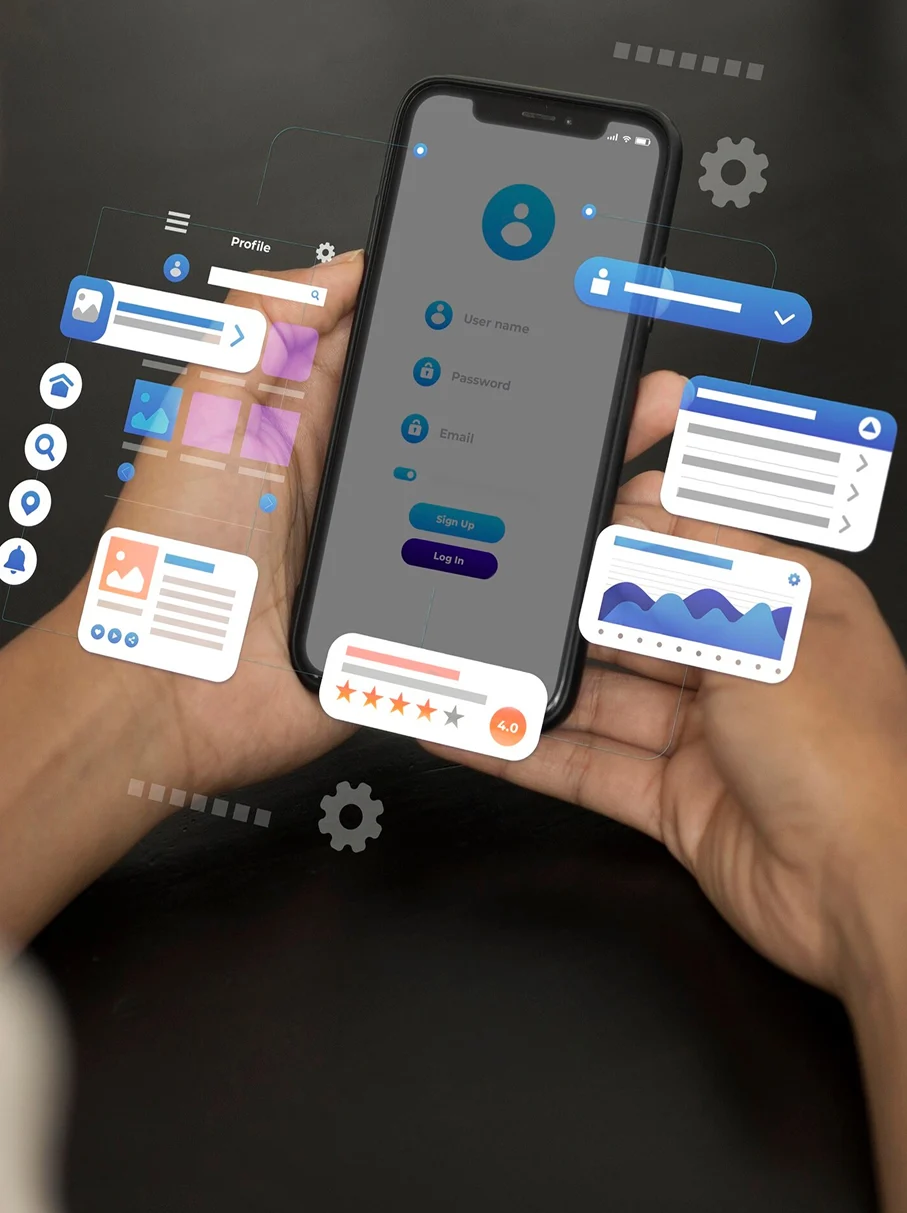
Custom dashboards provide an intuitive and interactive way for users to visualize energy data. These dashboards display key metrics such as energy consumption, cost analysis, system performance, and sustainability indicators.
Users can customize dashboards to view energy data based on specific facilities, departments, or equipment. Visual elements such as charts, graphs, and heat maps make it easier to understand complex energy data at a glance.
Custom dashboards improve decision-making by providing clear insights into energy performance and allowing businesses to track progress toward energy efficiency goals.
Overall, these features make Custom Energy Management Software Development a powerful solution for organizations that want to improve energy efficiency, reduce operational costs, and achieve sustainability objectives. By combining real-time monitoring, automation, analytics, and renewable energy integration, EMS platforms enable businesses to manage energy resources more intelligently and efficiently.
Technologies Used in Energy Management Software Development
Developing a modern Energy Management Software (EMS) solution requires the integration of multiple advanced technologies that enable real-time monitoring, intelligent analysis, and automated energy optimization. These technologies help businesses collect accurate energy data, process large datasets, and make smarter decisions about energy consumption. Below are some of the key technologies used in Custom Energy Management Software Development.
1. Internet of Things (IoT)
The Internet of Things (IoT) plays a crucial role in energy management systems by connecting physical devices such as smart meters, sensors, and industrial equipment to digital platforms. These devices continuously collect real-time energy data from various sources across buildings, factories, or energy infrastructure.
IoT sensors monitor parameters such as electricity consumption, temperature, humidity, equipment performance, and power quality. This data is transmitted to the EMS platform, where it is analyzed and displayed through dashboards.
With IoT integration, businesses gain real-time visibility into energy usage across different systems and locations. This allows organizations to detect inefficiencies quickly, optimize equipment operations, and automate energy-saving actions. IoT also supports remote monitoring, enabling facility managers to control energy systems from anywhere.
2. Artificial Intelligence (AI) and Machine Learning
Artificial Intelligence (AI) and Machine Learning (ML) technologies help energy management systems become more intelligent and predictive. These technologies analyze large amounts of energy data to identify patterns, forecast energy demand, and optimize consumption strategies.
AI algorithms can detect unusual energy consumption patterns and identify inefficiencies in equipment or operational processes. For example, the system can predict when energy demand will peak and adjust energy usage accordingly to reduce costs.
Machine learning models also support predictive maintenance by identifying early signs of equipment failure based on energy usage patterns. This allows organizations to schedule maintenance before problems occur, reducing downtime and repair costs.
Over time, AI-powered EMS platforms continuously learn from historical data and improve their energy optimization strategies.
3. Cloud Computing
Cloud computing provides the infrastructure needed to store and process large volumes of energy data generated by IoT devices and monitoring systems. Instead of relying on local servers, EMS platforms can use cloud-based solutions to store data securely and provide access to users from anywhere.
Cloud platforms offer several advantages such as scalability, flexibility, and cost efficiency. Businesses can easily expand their energy management systems as they add more devices, facilities, or energy sources.
Cloud-based EMS platforms also enable real-time data synchronization across multiple locations. This means organizations with multiple facilities can monitor and manage energy usage from a centralized dashboard. Additionally, cloud systems support regular updates, improved security, and seamless integration with other enterprise applications.
4. Big Data Analytics
Energy management systems generate massive amounts of data from sensors, smart meters, and operational equipment. Big data analytics technologies are used to process and analyze these large datasets efficiently.
By analyzing historical and real-time energy data, big data tools can identify trends, consumption patterns, and inefficiencies across energy systems. These insights help businesses understand where energy is being wasted and how operations can be optimized.
Big data analytics also enables advanced reporting and forecasting capabilities. Organizations can predict future energy demand, evaluate energy performance across different departments, and make data-driven decisions for long-term energy planning.
5. Blockchain
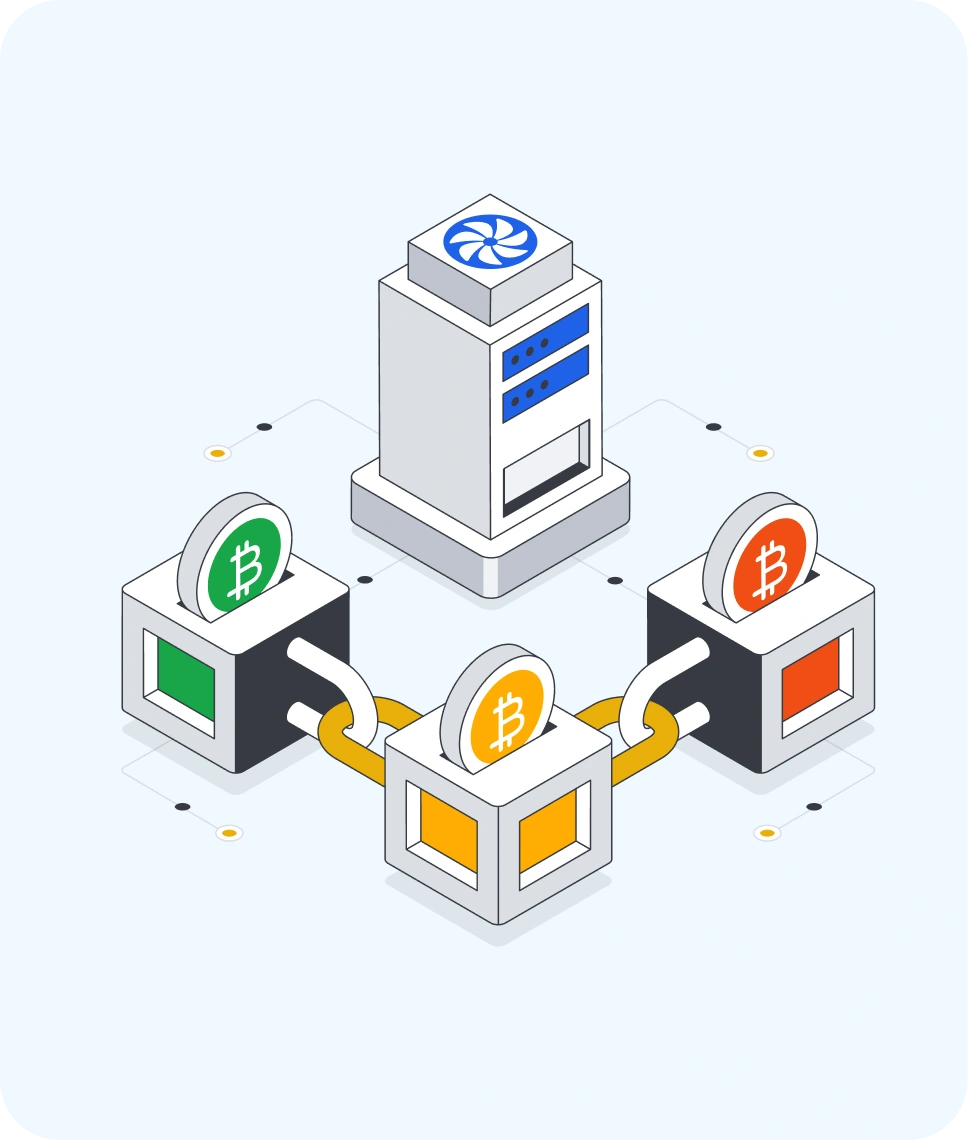
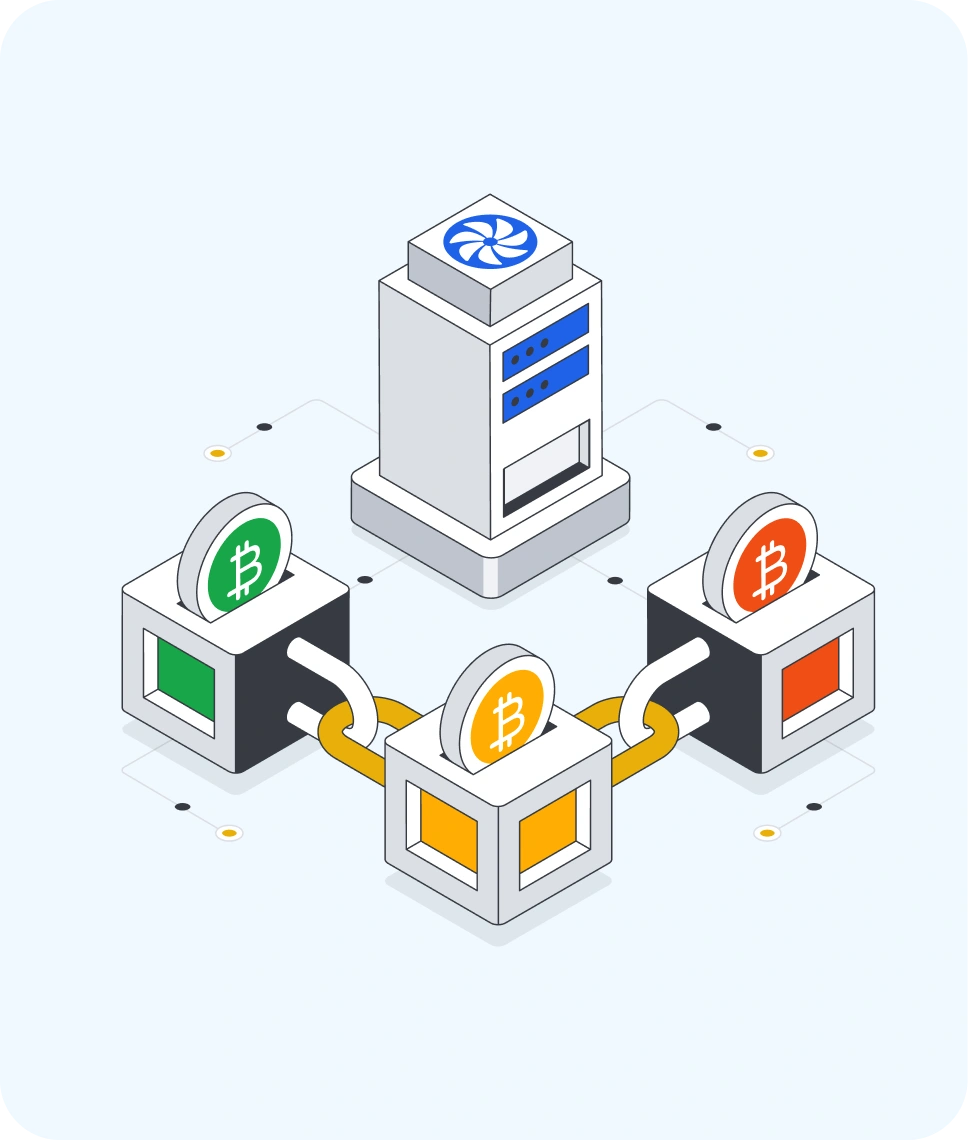
Blockchain technology is emerging as a powerful tool in energy management, particularly for improving transparency and security in energy transactions. Blockchain creates a decentralized and tamper-proof ledger where energy production, distribution, and consumption data can be securely recorded.
In energy management systems, blockchain can be used for tracking renewable energy generation, verifying carbon credits, and enabling peer-to-peer energy trading. For example, organizations producing solar energy can record and trade excess power with other consumers using blockchain-based platforms.
Blockchain also improves data integrity by ensuring that energy transaction records cannot be altered or manipulated. This enhances trust among stakeholders and supports transparent energy management practices.
Overall, these technologies work together to create intelligent and scalable energy management solutions. By combining IoT, AI, cloud computing, big data analytics, and blockchain, businesses can develop powerful EMS platforms that monitor energy usage in real time, optimize operations, and support sustainable energy practices.
Also, read: ERP Development Cost in Canada
Steps to Develop Custom Energy Management Software
Developing Custom Energy Management Software (EMS) requires a structured approach to ensure the system efficiently monitors, analyzes, and optimizes energy usage across facilities and equipment. The development process involves multiple stages, from understanding business requirements to deploying and maintaining the system. Each stage plays a critical role in building a scalable and reliable energy management solution.
Below are the key steps involved in Custom Energy Management Software Development.
1. Requirement Analysis
The first step in developing custom energy management software is understanding the specific needs and goals of the organization. Businesses must clearly define what they want the system to achieve, such as reducing energy costs, improving efficiency, or supporting sustainability initiatives.
During this phase, developers analyze the existing energy infrastructure, including equipment, energy sources, monitoring devices, and data systems. They also identify integration requirements with existing technologies such as building management systems (BMS), enterprise resource planning (ERP) platforms, or IoT devices.
Stakeholders collaborate to define system features, user roles, reporting requirements, and performance expectations. A well-defined requirement analysis ensures that the final EMS solution aligns with business objectives and operational needs.
2. System Architecture Design
Once the requirements are defined, the next step is designing the overall architecture of the energy management system. This involves planning how different components of the system will interact with each other.
Developers design the data flow between IoT devices, sensors, data storage systems, analytics engines, and user dashboards. The architecture must support real-time data collection, secure data storage, and efficient processing of large datasets.
During this stage, decisions are also made regarding cloud infrastructure, communication protocols, cybersecurity measures, and system scalability. A strong architecture ensures that the EMS platform can handle increasing data volumes and integrate with additional devices or facilities in the future.
3. Hardware and Sensor Integration
Energy management systems rely heavily on hardware components such as smart meters, sensors, and IoT gateways to collect energy consumption data. In this stage, developers integrate these devices with the EMS platform.
Sensors monitor parameters such as electricity consumption, temperature, voltage, and equipment performance. These devices continuously send data to the software system for analysis.
Integration also involves configuring communication protocols such as MQTT, Modbus, or BACnet to ensure smooth data transmission between hardware devices and the software platform. Proper integration is essential for accurate data collection and real-time monitoring.
4. Software Development
After hardware integration is planned, the development team begins building the energy management software platform. This includes developing both the backend and frontend components of the system.
The backend handles data processing, storage, analytics, and system logic, while the frontend provides user interfaces such as dashboards and control panels. Developers use technologies like cloud platforms, APIs, IoT frameworks, and analytics tools to create a robust EMS solution.
During this stage, features such as real-time monitoring, automated controls, reporting tools, alerts, and predictive analytics are implemented. The goal is to create a user-friendly platform that allows businesses to easily monitor and optimize their energy consumption.
5. Testing and Quality Assurance
Testing is a critical phase in the development process to ensure the reliability and accuracy of the EMS platform. The system undergoes extensive testing to verify that all components function correctly.
Quality assurance teams test various aspects of the system, including data accuracy, system performance, hardware connectivity, and security features. They also perform stress testing to ensure the platform can handle large volumes of data without performance issues.
User acceptance testing (UAT) may also be conducted to ensure the software meets business requirements and provides a seamless user experience. Any identified issues are resolved before the system moves to the deployment stage.
6. Deployment and Integration
Once testing is complete, the energy management software is deployed within the organization’s operational environment. Deployment may involve installing the system on cloud servers or on-premises infrastructure, depending on the organization’s requirements.
During this phase, the EMS platform is integrated with existing systems such as enterprise resource planning software, building management systems, and energy monitoring devices. Data migration and system configuration are also completed to ensure smooth operation.
Training sessions may be provided to employees and facility managers so they can effectively use the software and interpret energy insights provided by the system.
7. Maintenance and Updates
After deployment, continuous maintenance and updates are necessary to ensure the system remains efficient and secure. As energy systems evolve and new technologies emerge, the EMS platform may require updates to support new devices, data sources, or regulatory requirements.
Regular software updates improve system performance, enhance security, and introduce new features that further optimize energy management. Maintenance also includes monitoring system health, resolving technical issues, and ensuring reliable data collection.
Long-term support ensures that the energy management software continues to deliver value and adapt to changing business needs.
By following these structured steps, organizations can successfully develop a custom energy management system that improves energy efficiency, reduces operational costs, and supports sustainable business practices.
Cost of Custom Energy Management Software Development
The cost of Custom Energy Management Software Development can vary significantly depending on the complexity of the system, required features, integrations, and the scale of deployment. Since every organization has different energy infrastructures, the final development cost depends on several technical and operational factors.
A basic energy monitoring platform with limited integrations may cost less, while a fully advanced EMS with AI-driven analytics, IoT integrations, and large-scale infrastructure management will require a higher investment. On average, developing a mid-scale custom energy management platform can cost between $150,000 and $500,000, depending on the features, development team, and technology stack used.
Below are the key factors that influence the overall development cost.
1. System Complexity
The complexity of the software is one of the biggest factors affecting development costs. A simple EMS that only tracks energy consumption across a few devices will require less development effort.
However, advanced systems may include features such as predictive analytics, automation, multi-location monitoring, and advanced reporting dashboards. These features require additional development time, advanced technologies, and extensive testing, which increases the overall cost.
For example, a system designed for a single building will cost significantly less than one built to monitor energy usage across multiple facilities worldwide.
2. Number of IoT Integrations
Energy management systems rely heavily on IoT devices such as sensors, smart meters, and energy monitoring equipment. The number of connected devices directly affects the development complexity.
Integrating hundreds or thousands of sensors requires robust data processing systems, communication protocols, and real-time monitoring capabilities. Developers must also ensure secure data transmission and reliable connectivity between hardware and software systems.
The more IoT devices the system integrates with, the higher the cost of development and maintenance.
3. AI and Analytics Capabilities
Advanced energy management platforms often include Artificial Intelligence (AI) and data analytics tools that analyze energy consumption patterns and predict future demand.
AI-powered features such as predictive maintenance, anomaly detection, and automated optimization require complex algorithms and large-scale data processing. Developing and training these AI models adds to the overall development time and cost.
However, these advanced features provide long-term benefits by improving energy efficiency, reducing operational costs, and preventing equipment failures.
4. Cloud Infrastructure
Most modern EMS platforms rely on cloud infrastructure to store and process large amounts of energy data generated by sensors and monitoring systems.
Cloud platforms provide scalability, allowing businesses to expand their energy management systems as new facilities and devices are added. However, implementing secure and scalable cloud architecture requires careful planning and additional development resources.
Cloud infrastructure costs may include server hosting, data storage, network management, and ongoing system maintenance.
5. Security and Compliance Requirements
Energy management systems often handle sensitive operational data related to infrastructure, power consumption, and industrial equipment. Therefore, strong cybersecurity measures must be implemented to protect this data.
Development teams must implement encryption, access control systems, and secure communication protocols. In addition, many organizations must comply with energy regulations and standards such as ISO 50001, energy efficiency guidelines, and environmental reporting frameworks.
Ensuring compliance and implementing advanced security systems can increase the development cost but are essential for protecting critical infrastructure and maintaining regulatory compliance.
6. Estimated Cost Breakdown
The following table provides a general estimate of development costs based on system complexity and features.
| Development Level | Features Included | Estimated Cost |
| Basic EMS | Basic energy monitoring, simple dashboards, limited device integration | $50,000 – $120,000 |
| Mid-Level EMS | Real-time monitoring, IoT integrations, analytics, automated alerts | $150,000 – $500,000 |
| Advanced EMS | AI analytics, predictive maintenance, renewable energy integration, multi-location monitoring | $500,000 – $1,000,000+ |
7. Additional Cost Factors
Apart from development costs, businesses should also consider several ongoing expenses when implementing energy management software.
- Maintenance and updates to ensure system reliability and security
- Cloud hosting and infrastructure costs
- Hardware costs for sensors and smart meters
- Integration with enterprise systems such as ERP or BMS
- Training and support for employees
These ongoing costs are important for ensuring the long-term success and scalability of the energy management platform.
In summary, the cost of Custom Energy Management Software Development depends on multiple factors, including system complexity, integrations, and advanced features. While the initial investment may be significant, implementing a customized EMS can deliver substantial long-term benefits by improving energy efficiency, reducing operational costs, and supporting sustainability initiatives.
Suggested Article: Harnessing ERP AI Chatbots for Business Organizations
Industries Using Energy Management Software
Energy Management Software (EMS) is widely used across various industries to monitor, control, and optimize energy consumption. As energy costs continue to rise and sustainability becomes a priority, organizations are adopting EMS solutions to improve efficiency, reduce operational expenses, and meet environmental regulations. By providing real-time insights into energy usage, EMS helps businesses make informed decisions and optimize their energy infrastructure.
Below are some of the major industries that rely on energy management software.
1. Manufacturing
The manufacturing industry is one of the largest consumers of energy due to the operation of heavy machinery, production lines, and industrial equipment. Energy management software helps manufacturers monitor energy usage across different processes and identify areas where energy is being wasted.
EMS platforms collect data from machines, sensors, and industrial systems to analyze energy consumption patterns. This allows manufacturers to optimize production schedules, reduce energy usage during idle times, and improve overall operational efficiency.
In addition, energy management systems support predictive maintenance, which helps detect equipment issues before they lead to breakdowns. By preventing unexpected machine failures and reducing energy waste, manufacturers can significantly lower operational costs and improve productivity.
2. Commercial Buildings
Commercial buildings such as offices, shopping malls, hotels, and educational institutions consume large amounts of energy for lighting, heating, cooling, and electrical systems. Energy management software helps building managers monitor and control these systems efficiently.
EMS platforms can automatically adjust HVAC systems, lighting, and other building infrastructure based on occupancy levels, weather conditions, and operational schedules. For example, lighting in unused areas can be automatically turned off to reduce electricity consumption.
By optimizing energy usage across multiple building systems, organizations can significantly reduce energy bills while maintaining comfortable environments for employees, customers, and visitors.
3. Data Centers
Data centers require massive amounts of energy to power servers, storage systems, and cooling infrastructure. Maintaining optimal temperature levels and preventing overheating are critical for ensuring reliable data center operations.
Energy management software helps data center operators monitor energy consumption across servers, cooling units, and power distribution systems. Advanced EMS platforms use analytics to identify inefficiencies in cooling systems and optimize airflow management.
By improving cooling efficiency and balancing energy loads, data centers can reduce electricity consumption while maintaining high system performance and reliability. This is particularly important as global demand for cloud computing and digital services continues to grow.
4. Healthcare
Healthcare facilities such as hospitals and medical centers operate critical systems that require a stable and continuous power supply. Equipment such as life-support machines, diagnostic devices, and laboratory equipment must function without interruptions.
Energy management software helps hospitals monitor energy usage across medical equipment, lighting systems, and HVAC infrastructure. The system ensures efficient energy usage while maintaining strict safety and operational standards.
EMS platforms can also help hospitals integrate backup power systems and renewable energy sources to ensure uninterrupted operations during power outages. This improves energy reliability while reducing operational costs and environmental impact.
5. Smart Cities
Smart cities use advanced technologies to improve urban infrastructure and enhance the quality of life for residents. Energy management software plays a key role in managing energy usage across public infrastructure such as street lighting, transportation systems, and utility networks.
EMS platforms allow city authorities to monitor energy consumption in real time and optimize energy distribution across different public services. For example, smart street lighting systems can automatically adjust brightness based on traffic or pedestrian activity.
Energy management systems also help cities integrate renewable energy sources, manage electric vehicle charging networks, and improve the overall sustainability of urban infrastructure.
In summary, energy management software is transforming how industries monitor and control energy usage. From manufacturing plants to smart cities, EMS solutions enable organizations to reduce energy costs, improve operational efficiency, and support sustainability initiatives. As energy demands continue to grow, the adoption of advanced energy management technologies will become increasingly important across industries.
Future Trends in Energy Management Software
The energy management industry is rapidly evolving as businesses adopt advanced technologies to improve efficiency, reduce costs, and meet sustainability goals. Innovations in artificial intelligence, smart infrastructure, and data processing are transforming how organizations monitor and optimize energy usage. As energy systems become more complex and interconnected, modern EMS platforms are incorporating intelligent technologies that enable smarter decision-making and automated energy optimization.
Below are some of the key future trends shaping Energy Management Software Development.
1. AI-Powered Energy Optimization
Artificial Intelligence (AI) is expected to play a major role in the future of energy management systems. AI-powered EMS platforms can analyze large volumes of energy data and identify patterns that may not be visible through traditional analytics.
Using predictive algorithms, AI can forecast energy demand, detect anomalies, and automatically adjust energy consumption across devices and facilities. For example, AI systems can predict peak energy usage and optimize equipment operations to reduce energy costs.
In addition, AI can support predictive maintenance by identifying early signs of equipment inefficiencies or failures. As AI technology continues to improve, EMS platforms will become more autonomous and capable of making intelligent energy management decisions in real time.
2. Smart Grid Integration
Smart grids are modern electricity networks that use digital communication technologies to monitor and manage the flow of electricity more efficiently. In the future, energy management software will increasingly integrate with smart grid infrastructure.
This integration will allow EMS platforms to interact with energy suppliers and distributed energy resources such as solar panels, wind turbines, and battery storage systems. Businesses will be able to balance energy consumption with grid demand, reducing pressure on traditional power networks.
Smart grid integration also enables demand response programs, where organizations can adjust their energy consumption during peak periods to lower electricity costs and improve grid stability.
3. Carbon Tracking and ESG Reporting
As sustainability becomes a major priority for businesses worldwide, organizations are focusing on reducing their carbon footprint and meeting environmental goals. Energy management software will play an important role in tracking and reporting carbon emissions.
Modern EMS platforms will provide tools that measure energy consumption and calculate associated carbon emissions across facilities and operations. These insights will help businesses monitor their environmental impact and identify opportunities to reduce emissions.
Energy management systems will also support Environmental, Social, and Governance (ESG) reporting, allowing organizations to generate detailed sustainability reports required by regulators, investors, and stakeholders.
4. Edge Computing
Edge computing is an emerging technology that processes data closer to the source of data generation, such as sensors or energy devices. Instead of sending all data to centralized cloud servers, edge computing enables faster data processing and real-time decision-making.
In energy management systems, edge computing can analyze energy data directly at the device or facility level. This reduces latency and allows immediate responses to changes in energy usage or system performance.
For example, edge devices can automatically adjust equipment operations or detect faults in real time without waiting for cloud-based analysis. This improves system reliability and ensures faster responses to energy-related events.
5. Digital Twins for Energy Systems
Digital twin technology is another innovative trend transforming energy management. A digital twin is a virtual representation of physical infrastructure such as buildings, energy systems, or industrial equipment.
By creating a digital replica of energy infrastructure, organizations can simulate different energy scenarios and analyze system performance without affecting real-world operations. This helps businesses test optimization strategies, identify inefficiencies, and improve overall energy efficiency.
Digital twins also enable predictive modeling, allowing organizations to anticipate energy demand, equipment behavior, and system performance under different conditions. As digital twin technology advances, it will become an important tool for optimizing complex energy systems.
In summary, the future of energy management software will be driven by advanced technologies such as AI, smart grids, edge computing, and digital twin simulations. These innovations will enable businesses to manage energy more intelligently, improve sustainability, and reduce operational costs. As organizations continue to focus on energy efficiency and environmental responsibility, the adoption of advanced EMS platforms will continue to grow.
Why iTechnolabs is the Ideal Partner for Your Next Project?
Choosing the right technology partner is essential for building scalable and innovative digital solutions. iTechnolabs is a global software development company that provides services such as mobile app development, web development, AI solutions, and custom software development for businesses across multiple industries.
Here are some key reasons why businesses choose iTechnolabs as their technology partner.
1. Expertise in Modern Technologies
iTechnolabs works with modern technologies such as AI, blockchain, web development frameworks, and mobile app platforms to build innovative digital products. Their development team uses advanced tools and frameworks to create scalable and future-ready solutions for businesses.
2. Experienced Development Team
The company has a team of skilled developers, designers, and engineers who specialize in building customized software solutions. With strong technical expertise and industry knowledge, the team helps businesses transform ideas into high-performing digital products.
3. End-to-End Development Services
iTechnolabs provides complete development services, including consulting, UI/UX design, development, testing, and deployment. This end-to-end approach helps businesses manage their entire digital product lifecycle with a single technology partner.
4. Custom and Scalable Solutions
Every business has unique needs, and iTechnolabs focuses on delivering customized solutions tailored to specific business requirements. Their software solutions are designed to be scalable, allowing businesses to expand their digital platforms as they grow.
5. Proven Track Record
iTechnolabs has successfully delivered 500+ live applications used by more than 50,000 users worldwide, demonstrating its ability to build reliable and high-quality digital products.
6. Client-Centric Development Approach
The company follows a client-focused development process, ensuring that every project aligns with business goals and customer expectations. Their collaborative approach helps deliver solutions that provide measurable results and long-term value.
7. Global Presence and Industry Experience
iTechnolabs serves clients across Canada, the United States, India, and other global markets, working with industries such as healthcare, logistics, retail, and finance. This international experience helps the company deliver solutions that meet global business standards
In summary, iTechnolabs stands out as a reliable technology partner due to its expertise in modern technologies, experienced development team, scalable solutions, and strong focus on client success. Businesses looking to build custom digital products can benefit from their innovative and results-driven development approach.
Also, read: A Complete Step By Step Guide To Build An ERP System
Conclusion
As energy demands continue to rise and sustainability becomes a priority, businesses need smarter ways to monitor and control their energy consumption. Custom Energy Management Software Development provides organizations with the tools to track energy usage, identify inefficiencies, and optimize operations through data-driven insights.
By integrating advanced technologies such as IoT, artificial intelligence, cloud computing, and data analytics, companies can build intelligent systems that automate energy monitoring and improve operational efficiency. These solutions help businesses reduce energy costs, minimize carbon emissions, and meet regulatory requirements more effectively.
In the coming years, the adoption of energy management software will continue to grow as organizations focus on sustainable practices and smarter infrastructure. Investing in a custom EMS solution today allows businesses to stay competitive, improve energy performance, and build a more efficient and environmentally responsible future.
FAQs
1. What is custom energy management software?
Custom energy management software is a tailored digital platform designed to monitor, analyze, and optimize energy consumption according to an organization’s infrastructure and operational requirements. It integrates with sensors, smart meters, and energy systems to provide real-time insights, helping businesses reduce costs, improve efficiency, and achieve sustainability goals.
2. How does energy management software work?
Energy management software collects real-time data from smart meters, IoT sensors, and connected devices across facilities. The system analyzes energy consumption patterns, identifies inefficiencies, and displays insights through dashboards and reports. It can also automate energy controls, helping organizations reduce waste and improve operational energy efficiency.
3. Who needs energy management software?
Energy management software is used by industries that consume significant amounts of energy, including manufacturing, healthcare, data centers, commercial buildings, and smart city infrastructure. These organizations use EMS platforms to monitor energy usage, reduce operational costs, improve efficiency, and meet sustainability and regulatory requirements.
4. What technologies are used in EMS development?
Energy management software development uses technologies such as IoT devices, cloud computing, artificial intelligence, machine learning, big data analytics, and blockchain. These technologies enable real-time monitoring, advanced data analysis, predictive maintenance, and secure energy data management, helping organizations optimize energy usage and operational performance.
5. How long does it take to develop custom energy management software?
The development time for custom energy management software typically ranges from four to twelve months, depending on project complexity, system features, and integration requirements. Large-scale platforms with advanced analytics, IoT connectivity, and multiple facility integrations may require additional development and testing time.