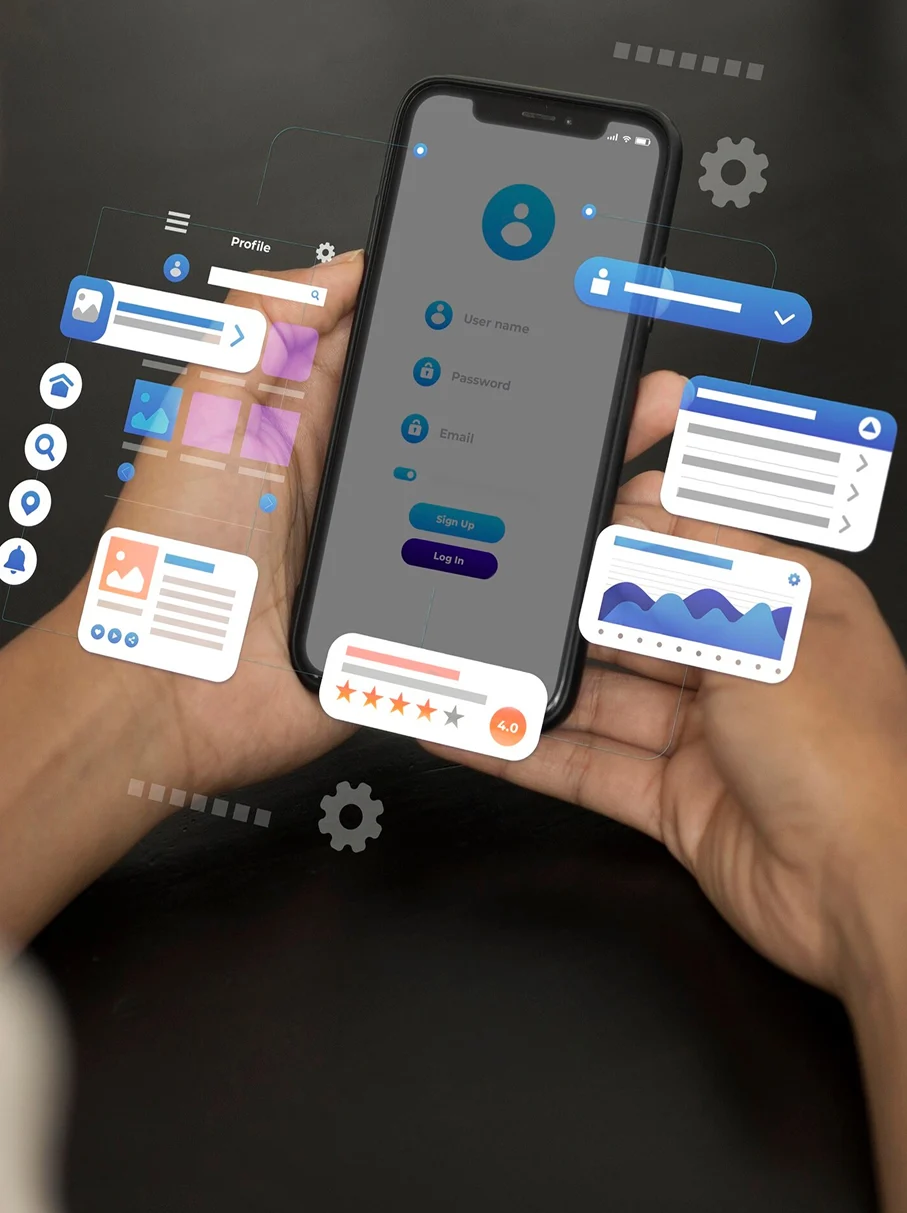
The insurance industry is undergoing a massive digital transformation, fueled by rising smartphone penetration, evolving customer expectations, and rapid insurtech innovation. Modern consumers now expect instant policy access, paperless onboarding, and real-time claims processing — all from their mobile devices. As a result, insurance providers are shifting from traditional, paperwork-heavy systems to seamless digital experiences powered by mobile apps.
The numbers clearly reflect this shift. The global insurtech market was valued at around $19–36 billion in 2025 and is projected to grow rapidly in the coming years, with estimates suggesting it could exceed $50 billion in 2026 and reach hundreds of billions by the next decade, driven by AI, cloud computing, and automation. Additionally, the broader insurance market is expected to surpass $13.9 trillion by 2032, highlighting the enormous opportunity for digital-first insurance solutions.
Insurance mobile apps are no longer optional — they are a strategic necessity for insurers aiming to enhance customer experience, streamline operations, and stay competitive in a digital-first economy. From AI-powered underwriting to real-time claims tracking and embedded insurance ecosystems, modern apps are redefining how insurers engage with customers.
In this comprehensive guide, we’ll explore everything you need to know about insurance app development in 2026 — including features, types, technologies, development steps, costs, and emerging trends shaping the future of insurtech.
TL;DR
- Insurance apps are driving digital transformation in insurtech.
- Mobile-first experiences improve customer engagement and accessibility.
- AI and automation streamline underwriting and claims processing.
- Development cost varies based on features and complexity.
- Future trends include embedded insurance and predictive intelligence.
Key Points
- Insurance app development enables digital-first policy management, improving accessibility, automation, and customer experience across modern insurtech ecosystems globally.
- AI, automation, and cloud technologies are transforming underwriting, fraud detection, and claims processing, making insurance platforms smarter and more efficient.
- Development costs vary depending on features, integrations, and scalability, ranging from basic MVP apps to advanced enterprise-grade insurtech ecosystems.
- Key challenges include regulatory compliance, cybersecurity risks, legacy integrations, and building customer trust in digital insurance platforms.
- Future insurance apps will focus on hyper-personalization, embedded insurance, AI-driven automation, and open insurance ecosystems beyond 2026.
Table of Contents
- What is Insurance App Development?
- Why Businesses Should Invest in Insurance Apps
- Key Benefits
- Types of Insurance Apps
- Must-Have Features of an Insurance App
- Technologies Used in Insurance App Development
- Step-by-Step Insurance App Development Process
- Cost of Insurance App Development
- Key Challenges in Insurance App Development
- Future Trends in Insurance App Development (Beyond 2026)
- Why Choose iTechnolabs for Insurance App Development
- Conclusion
- FAQs
What is Insurance App Development?
Insurance app development refers to the process of designing, building, and deploying mobile applications that enable users to purchase, manage, and claim insurance policies digitally. These applications act as a bridge between insurers and customers, transforming traditionally complex and paperwork-heavy insurance processes into seamless, mobile-first experiences.
At its core, insurance app development involves creating feature-rich platforms that support end-to-end insurance journeys — from policy discovery and comparison to onboarding, premium payments, renewals, and claims management. These apps are designed for multiple stakeholders, including customers, insurance agents, brokers, and administrators, each with tailored dashboards and functionalities.
For users, insurance apps provide convenience, transparency, and instant access to essential services. Customers can explore policies, calculate premiums, upload documents, and track claims in real time without visiting physical branches. For insurers, these apps automate workflows, reduce manual intervention, and enable data-driven decision-making through analytics and AI-powered insights.
Modern insurance apps go beyond basic functionality by integrating advanced technologies such as artificial intelligence, machine learning, blockchain, and cloud computing. AI helps in risk assessment and fraud detection, while cloud infrastructure ensures scalability and real-time data synchronization. Features like chatbots, digital KYC verification, telematics, and personalized policy recommendations further enhance user experience and operational efficiency.
A well-developed insurance app not only simplifies policy management but also enhances transparency, improves customer trust, and reduces administrative overhead. By digitizing core insurance processes, businesses can accelerate onboarding, minimize operational costs, and deliver highly personalized services — making insurance more accessible, efficient, and customer-centric in the digital era.
Why Businesses Should Invest in Insurance Apps
The shift toward digital insurance experiences is accelerating globally as customers increasingly prefer mobile-first interactions over traditional, paperwork-heavy processes. Today’s users expect instant access, transparency, and personalized services — and insurance apps make it possible to deliver all of this in one unified platform.
For insurers, investing in mobile apps is not just a technology upgrade; it’s a strategic move that drives operational efficiency, customer satisfaction, and long-term growth. Insurance apps enable businesses to streamline workflows, automate repetitive tasks, and deliver highly personalized experiences while staying competitive in a rapidly evolving insurtech landscape.
By embracing insurance app development, businesses can unlock new revenue streams, reduce costs, and build stronger relationships with digitally savvy customers.
Key Benefits
1. Enhanced Customer Experience and Engagement
Insurance apps provide a seamless and intuitive user experience, allowing customers to explore policies, manage documents, and file claims anytime, anywhere. Features like real-time notifications, AI chat support, and self-service dashboards improve engagement and satisfaction.
2. Faster Policy Issuance and Onboarding
Digital onboarding with eKYC verification, automated document uploads, and instant approvals significantly reduces policy issuance time. What once took days or weeks can now be completed within minutes, improving conversion rates and customer acquisition.
3. Reduced Operational and Paperwork Costs
By digitizing policy management and claims workflows, insurers can minimize reliance on manual processes and physical paperwork. This leads to lower administrative costs, fewer human errors, and more efficient resource utilization.
4. Automated Claims Processing
Insurance apps streamline the claims lifecycle through automation, AI-driven verification, and real-time tracking. Customers can upload images or documents directly through the app, while insurers benefit from faster settlements and improved transparency.
5. Data-Driven Underwriting and Personalization
Mobile apps generate valuable user data that can be analyzed to assess risks, detect fraud, and personalize policy recommendations. AI-powered insights enable insurers to create dynamic pricing models and targeted offerings tailored to individual user behavior.
6. Higher Customer Retention and Loyalty
Convenience, speed, and transparency build trust — a key factor in the insurance industry. With features like renewal reminders, loyalty rewards, and personalized offers, insurance apps help businesses improve retention rates and lifetime customer value.
Types of Insurance Apps
Before starting insurance app development, it’s crucial to identify the type of app you want to build based on your business model, target audience, and revenue strategy. Different categories of insurance apps serve different stakeholders — from end customers and insurers to agents and aggregators. Choosing the right app type helps define your feature set, monetization model, and overall product roadmap.
Below are the most common types of insurance apps in today’s insurtech ecosystem.
1. Insurance Company Apps
Insurance providers develop insurance company apps to sell, manage, and service their own policies directly through a mobile platform. These apps act as digital extensions of insurance brands, enabling businesses to establish direct relationships with customers without relying on intermediaries.
Users can browse policies, calculate premiums, complete digital onboarding, and manage claims within a single ecosystem. For insurers, these apps provide full control over branding, pricing, and customer data, allowing them to deliver personalized experiences and strengthen brand loyalty.
Best for: Traditional insurers, digital-first insurance brands, and enterprises building direct-to-consumer models.
2. Insurance Aggregator Apps
Insurance aggregator apps function as comparison platforms that allow users to explore policies from multiple insurance providers in one place. These apps simplify the decision-making process by offering side-by-side comparisons of premiums, benefits, and coverage options.
Aggregator platforms typically generate revenue through commissions, lead generation, or partnerships with insurance companies. They are especially popular among users looking for transparency and better deals without researching multiple providers individually.
Key advantage: High scalability and strong monetization potential through partnerships and marketplace models.
Best for: Startups and insurtech platforms focusing on marketplace ecosystems.
3. Claim Management Apps
Claim management apps are designed specifically to simplify and automate the insurance claims lifecycle. These apps focus on enabling users to file claims instantly, upload documents, track claim status in real time, and receive updates throughout the settlement process.
Many modern claim apps integrate AI-based damage assessment, OCR document scanning, and fraud detection systems to accelerate claim approvals while reducing operational risks. These apps are especially valuable in sectors like health, auto, and travel insurance, where quick claim resolution is critical.
Primary goal: Faster settlements, improved transparency, and reduced fraud.
Best for: Insurers aiming to enhance post-purchase customer experience.
4. On-Demand Insurance Apps
On-demand insurance apps provide short-term or usage-based coverage tailored to specific situations or timeframes. Instead of long-term policies, users can activate coverage instantly for travel, gadgets, vehicles, or events and pay only for the duration they need.
These apps often leverage real-time data, telematics, or IoT integrations to calculate premiums dynamically based on user behavior or usage patterns. On-demand insurance is gaining popularity among younger, tech-savvy consumers who prefer flexible and affordable coverage options.
Examples: Travel insurance for a single trip, pay-as-you-drive auto insurance, or hourly device protection.
Best for: Insurtech startups exploring innovative and flexible insurance models.
5. Agent/Broker Apps
Agent or broker apps are built specifically for intermediaries who sell and manage insurance policies on behalf of providers. These apps streamline agent workflows by offering tools for lead management, policy tracking, customer communication, and performance analytics.
With mobile access to dashboards, agents can onboard customers, generate quotes, and manage renewals on the go. Many apps also include CRM integrations, commission tracking, and digital document management to enhance productivity and transparency.
Key benefit: Improves agent efficiency and expands distribution networks.
Best for: Insurance companies with large agent networks or broker-driven sales models.
By understanding these insurance app types, businesses can choose the right development strategy and align their product vision with market demand. In many cases, companies combine multiple models — such as offering both customer-facing apps and agent platforms — to create a comprehensive digital insurance ecosystem.
Must-Have Features of an Insurance App
To succeed in today’s competitive insurtech landscape, an insurance app must deliver a seamless, secure, and intelligent user experience. From onboarding to claims processing, every feature should simplify complex insurance processes and build trust with users. Below are the essential features categorized by user roles and advanced capabilities.
User Panel Features
These features directly impact user experience and determine the app’s adoption and retention rate.
1. Easy Registration and KYC Verification
A smooth onboarding process is critical. Users should be able to sign up via email, phone number, or social login. Integration with digital KYC tools enables identity verification using Aadhaar, PAN, or document uploads, reducing friction and ensuring compliance.
2. Policy Comparison and Purchase
Allow users to compare multiple insurance policies based on coverage, premiums, benefits, and claim ratios. A side-by-side comparison feature helps users make informed decisions and improves conversion rates.
3. Premium Calculator
An in-app premium calculator enables users to estimate costs instantly. By entering details like age, lifestyle, and coverage requirements, users get real-time premium estimates, enhancing transparency and trust.
4. Digital Policy Wallet
A digital vault for storing all policies in one place. Users can access documents anytime, download certificates, and receive expiry alerts, eliminating the need for physical paperwork.
5. Claim Filing and Tracking
Simplify the claims process with step-by-step digital filing. Users should be able to upload documents, track claim status in real time, and receive notifications for approvals or rejections.
6. Payment Gateway Integration
Secure payment options such as UPI, cards, net banking, and wallets ensure smooth transactions. Recurring payment support for renewals adds convenience and improves retention.
7. Push Notifications and Reminders
Automated alerts for premium due dates, policy renewals, claim updates, and personalized offers keep users engaged and reduce policy lapses.
8. Customer Support and Chat
In-app support via live chat, chatbots, or helpdesk ensures instant assistance. This improves user satisfaction and reduces dependency on call centers.
Admin Panel Features
A powerful backend panel is essential for managing operations efficiently.
1. Policy Management Dashboard
Admins should have access to a centralized dashboard to create, update, and manage insurance policies, pricing models, and terms in real time.
2. User Analytics and Reporting
Advanced analytics help track user behavior, conversions, churn rate, and engagement metrics. Data-driven insights support better decision-making and marketing strategies.
3. Fraud Detection Tools
Insurance fraud is a major concern. AI-driven fraud detection tools analyze patterns and flag suspicious claims, helping companies minimize losses and ensure fair processing.
4. CRM Integration
Integrating CRM systems enables better customer lifecycle management. It helps in lead tracking, personalized communication, and retention campaigns.
5. Content and Offer Management
Admins should be able to manage banners, blogs, promotions, and seasonal offers without developer support, ensuring faster marketing execution.
Advanced Features
To stand out in a competitive insurtech market, incorporating next-gen technologies is essential.
1. AI-Based Risk Assessment
AI algorithms analyze user data, behavior patterns, and external datasets to assess risk more accurately. This allows dynamic pricing, faster underwriting, and personalized policy recommendations.
2. Chatbots and Virtual Assistants
AI-powered chatbots provide 24/7 assistance for FAQs, policy suggestions, and claims guidance. This reduces operational costs while improving customer experience.
3. Telematics and IoT Integration
For auto and health insurance, telematics and wearable devices can track real-time data like driving habits or fitness metrics. This enables usage-based insurance models and reward-based pricing.
4. Document Scanning with OCR
Optical Character Recognition (OCR) allows users to scan documents like licenses or medical reports directly within the app. It automates data extraction and speeds up onboarding and claims processing.
5. Blockchain for Secure Claims
Blockchain technology ensures transparent, tamper-proof claim processing. Smart contracts can automate claim approvals, reduce fraud, and build trust among stakeholders.
Technologies Used in Insurance App Development
Choosing the right tech stack ensures your insurance app is scalable, secure, and high-performing. It supports seamless user experiences, faster development, and future growth. A well-selected stack also improves data protection, integration capabilities, and system reliability, helping businesses deliver innovative features while maintaining stability and long-term efficiency in a competitive insurtech market.
Frontend
- Flutter
- React Native
- Swift (iOS)
- Kotlin (Android)
Backend
- Node.js
- Python
- Java (Spring Boot)
- .NET Core
Cloud & Infrastructure
- AWS
- Google Cloud
- Microsoft Azure
Integrations
- Payment gateways
- KYC APIs
- CRM systems
- AI/ML tools
Step-by-Step Insurance App Development Process
Building a successful insurance app requires a strategic and well-structured development approach. From planning to post-launch optimization, each phase plays a crucial role in delivering a secure, scalable, and user-friendly insurtech solution.
1. Market Research and Strategic Planning
The process begins with in-depth market research to understand the target audience, industry trends, and competitor landscape. Businesses define clear goals, revenue models, and app type (aggregator, insurer, or on-demand). This stage also includes regulatory analysis and compliance planning to ensure the app aligns with legal insurance requirements.
2. Feature Definition and MVP Planning
Once the strategy is clear, the next step is defining the core features and functionalities. Product teams prioritize must-have features such as policy comparison, premium calculators, claims management, and payment integration. An MVP (Minimum Viable Product) roadmap is created to launch faster while keeping development cost-effective and scalable.
3. UI/UX Design and Prototyping
User experience is critical in insurance apps due to their complex workflows. Designers create wireframes, user journeys, and interactive prototypes that ensure intuitive navigation and trust-building interfaces. Special focus is given to accessibility, security cues, and frictionless onboarding to improve engagement and conversion rates.
4. Technology Stack Selection and Development
Choosing the right tech stack ensures scalability, performance, and data security. Based on project scope and budget, developers select frontend frameworks, backend architecture, databases, and cloud infrastructure. The development phase includes building frontend and backend modules, APIs, third-party integrations, and security layers simultaneously.
5. Testing, Compliance, and Deployment
Before launch, the app undergoes rigorous testing, including functional testing, performance testing, security audits, and compliance validation. This ensures the app meets insurance regulations and protects sensitive user data. After successful QA, the app is deployed on app stores with optimized listings and deployment pipelines.
6. Post-Launch Maintenance and Scaling
The journey doesn’t end after launch. Continuous monitoring, performance optimization, and feature updates are essential for long-term success. Businesses gather user feedback, fix bugs, introduce new features, and scale infrastructure as the user base grows. Regular updates also ensure compliance with evolving regulations and technology trends.
Suggested Article: The Ultimate Guide to Mobile App Development Costs in 2026
Cost of Insurance App Development
The cost of developing an insurance app varies widely depending on multiple factors such as app complexity, features, platform choice, and development location. On average, a basic insurance app can cost between $25,000 and $50,000, while mid-level apps range from $50,000 to $120,000, and advanced enterprise-grade solutions can exceed $150,000. Whether you’re building a basic MVP or a full-scale insurtech platform, understanding the cost structure helps in better planning and budgeting.
Insurance apps often require advanced features like secure data handling, compliance readiness, payment integrations, and AI-based automation, which significantly influence development costs.
Estimated Cost Breakdown
Below is a general pricing estimate based on app complexity and feature set:
| App Type | Estimated Cost Range | Best For |
| Basic App | $25,000 – $50,000 | Startups launching MVPs with limited features like login, policy listing, and basic claims |
| Mid-Level App | $50,000 – $120,000 | Growing businesses need integrations, analytics, and better UI/UX |
| Advanced App | $150,000+ | Enterprises building AI-driven, scalable insurance ecosystems with automation and high security |
Note: These are approximate global estimates and may vary based on region and requirements.
Key Challenges in Insurance App Development
While insurance apps offer immense opportunities for innovation and growth, building a reliable and scalable insurtech platform comes with several challenges. From strict regulatory frameworks to cybersecurity concerns, businesses must navigate multiple complexities to ensure a secure and compliant user experience.
1. Regulatory Compliance
Insurance is one of the most heavily regulated industries globally. Apps must comply with regional and international regulations such as GDPR (data protection), HIPAA (health data security), and IRDAI (India insurance regulations). Ensuring compliance requires robust data governance, legal consultation, and continuous monitoring of evolving policies. Failure to comply can lead to heavy penalties and reputational damage.
2. Data Privacy and Cybersecurity Risks
Insurance applications handle highly sensitive user data, including personal, financial, and medical information. This makes them a prime target for cyberattacks. Implementing end-to-end encryption, secure authentication, multi-factor authentication (MFA), and regular security audits is essential to protect user data and maintain trust.
3. Fraud Detection and Prevention
Insurance fraud is a major industry concern that can result in significant financial losses. Detecting fake claims, identity fraud, and manipulation requires advanced technologies like AI-based fraud detection, behavioral analytics, and anomaly detection systems. Without proper safeguards, fraudulent activities can impact profitability and customer trust.
4. Legacy System Integration
Many insurance companies still rely on outdated legacy systems that lack modern APIs and flexibility. Integrating these systems with new mobile apps can be complex, time-consuming, and expensive. Developers often need middleware solutions or custom APIs to ensure seamless data exchange between old infrastructure and modern platforms.
5. Customer Trust and Adoption
Insurance products are complex, and users often hesitate to adopt digital platforms due to trust concerns. Building credibility requires transparent pricing, intuitive UI/UX, strong branding, and clear communication. Features like real-time claim tracking, visible security badges, and responsive customer support help improve user confidence and adoption rates.
6. Scalability and Performance Challenges
As the user base grows, insurance apps must handle increased traffic, data loads, and real-time transactions without performance issues. Poor scalability can lead to slow response times, downtime, and poor user experience. A cloud-native architecture and scalable backend infrastructure are crucial to ensure long-term performance.
How to Overcome These Challenges
Overcoming these challenges requires a compliance-first and security-driven development strategy. Businesses should invest in secure architecture, modern tech stacks, AI-driven automation, and experienced development partners. Regular updates, compliance audits, and user-centric design also play a key role in building a successful and trustworthy insurance app.
Future Trends in Insurance App Development (Beyond 2026)
The insurance industry is undergoing a massive digital transformation driven by AI, automation, and data intelligence. As technology evolves, insurance apps are shifting from reactive platforms to predictive, hyper-personalized ecosystems. Below are the key future trends shaping the next generation of insurance applications.
1. AI-Driven Automation and Predictive Intelligence
Artificial Intelligence will continue to redefine insurance operations, moving beyond automation to predictive decision-making. Future insurance apps will leverage AI for real-time underwriting, instant claim approvals, and predictive risk analysis. Advanced AI models will analyze behavioral data, external datasets, and historical trends to forecast risks before they occur, enabling proactive insurance services.
2. Usage-Based and Behavior-Driven Insurance (UBI 2.0)
Usage-Based Insurance is evolving into behavior-driven insurance powered by telematics, IoT, and wearable devices. Future apps will calculate premiums dynamically based on real-time data such as driving habits, fitness levels, or lifestyle patterns. This will encourage safer behavior through reward-based models and personalized pricing structures.
3. Blockchain-Powered Smart Insurance
Blockchain technology is expected to play a major role in ensuring transparency and trust. Future insurance apps may use smart contracts to automate claims processing, eliminating manual intervention and reducing fraud. Decentralized ledgers will enable secure, tamper-proof data sharing between insurers, hospitals, and regulators.
4. Embedded and Invisible Insurance
Insurance will increasingly become “invisible” and seamlessly integrated into other digital ecosystems. Embedded insurance allows users to purchase coverage directly within platforms like eCommerce apps, travel portals, ride-sharing services, and fintech platforms. This frictionless distribution model will significantly expand insurance accessibility and adoption.
5. Hyper-Personalization with Data Intelligence
Future insurance apps will deliver deeply personalized experiences powered by AI and big data analytics. Policies, pricing, and recommendations will be tailored based on user behavior, demographics, spending patterns, and real-time risk analysis. This shift from one-size-fits-all policies to dynamic personalization will enhance customer satisfaction and retention.
6. Conversational Insurance and Voice Interfaces
With the rise of conversational AI, future insurance apps will integrate voice assistants and AI agents for seamless interaction. Users will be able to buy policies, file claims, and get support through natural voice conversations. AI copilots may also guide users in selecting the best policies based on their life stage and goals.
7. Open Insurance Ecosystems
Inspired by open banking, open insurance will enable secure data sharing between insurers, fintech platforms, healthcare providers, and third-party services via APIs. This interconnected ecosystem will unlock innovative services like real-time policy bundling, cross-platform coverage, and unified financial protection dashboards.
8. Climate and Parametric Insurance Models
With increasing climate risks, future insurance apps will support parametric insurance models. These policies trigger automatic payouts based on predefined conditions like weather data, natural disasters, or crop damage. This approach ensures faster settlements and minimal paperwork, especially in agriculture and travel sectors.
9. AI-Powered Fraud Prevention
Fraud detection will become more advanced with AI-driven behavioral biometrics and anomaly detection. Future systems will analyze micro-patterns like typing speed, device usage, and transaction behavior to identify suspicious activities in real time, drastically reducing fraudulent claims.
10. Super Apps and Insurance Marketplaces
Insurance may become part of larger financial super apps that combine banking, investments, lending, and protection in one ecosystem. Aggregator-style insurance marketplaces will offer multi-provider comparisons, instant switching, and bundled financial services within a single app interface.
Why Choose iTechnolabs for Insurance App Development
Choosing the right technology partner plays a crucial role in building a secure, scalable, and future-ready insurance app. iTechnolabs combines domain expertise with modern technologies to deliver high-performance insurtech solutions tailored to evolving business needs.
1. Proven Insurtech Expertise
iTechnolabs has extensive experience in developing insurance apps for startups, aggregators, and enterprises. Our team understands industry-specific workflows, compliance requirements, and user expectations, ensuring reliable and scalable solutions.
2. End-to-End Development Approach
From idea validation and UI/UX design to development, deployment, and post-launch support, iTechnolabs offers complete insurance app development services. This full-cycle approach ensures faster execution and seamless product delivery.
3. AI-Driven Innovation
We leverage advanced technologies like AI, machine learning, and automation to build intelligent insurance apps. Features such as smart underwriting, fraud detection, predictive analytics, and AI chatbots help businesses stay ahead in the competitive insurtech market.
4. Scalable and Secure Architecture
Security and scalability are at the core of our development process. We follow best practices in data protection, cloud-native development, secure APIs, and performance optimization to build reliable and future-ready platforms.
5. Custom-Built Solutions
Every insurance business has unique requirements. iTechnolabs delivers fully customized solutions tailored to your business model, whether it’s an insurance aggregator app, an embedded insurance platform, or an enterprise-grade digital ecosystem.
6. Cost-Effective Development
With a highly skilled offshore development team, we deliver premium-quality solutions at competitive pricing. Our transparent development process ensures better ROI while maintaining global quality standards.
7. Continuous Support and Growth
Our commitment extends beyond launch. We provide ongoing maintenance, feature enhancements, performance optimization, and innovation support to ensure your insurance app evolves with market trends.
Also, read: A Complete Roadmap of Mobile App Development: An Expert Guide 2026
Conclusion
Insurance app development is transforming how insurers interact with customers in an increasingly digital world. From streamlining policy management and claims processing to enabling AI-driven personalization, mobile insurance apps are becoming the backbone of modern insurtech ecosystems.
As customer expectations continue to evolve, investing in a scalable and secure insurance app is no longer optional — it’s a strategic imperative. Businesses that embrace mobile-first insurance solutions today will gain a competitive edge, improve operational efficiency, and build long-term customer trust.
By leveraging the right technologies, features, and development strategy, your insurance app can deliver seamless digital experiences while unlocking new growth opportunities in 2026 and beyond.
FAQs
1. What is insurance app development?
Insurance app development involves creating mobile or web applications that enable users to buy, manage, and claim insurance policies digitally. These apps streamline insurance processes, improve accessibility, automate workflows, and enhance user experience for both insurers and customers.
2. How long does it take to develop an insurance app?
The development timeline typically ranges from 3 to 9 months, depending on app complexity, features, and integrations. A basic MVP can launch faster, while advanced apps with AI, compliance requirements, and custom features may take longer to develop and deploy.
3. How much does it cost to build an insurance app?
The cost varies based on features, platforms, and development region. Basic apps may cost around $25,000–$50,000, mid-level solutions range up to $120,000, while advanced enterprise insurance platforms with AI and automation can exceed $150,000 or more.
4. What features should an insurance app have?
A modern insurance app should include features like policy comparison, digital policy management, premium calculators, claim filing, secure payments, notifications, and analytics dashboards. Advanced apps may also integrate AI automation, chatbots, fraud detection, and personalized recommendations.
5. Is insurance app development secure?
Yes, insurance apps can be highly secure when built using best practices like data encryption, multi-factor authentication, secure APIs, and compliance standards. Proper cloud infrastructure and regular security audits ensure strong data protection and user privacy.
6. Can startups build insurance apps?
Yes, startups can successfully build insurance apps by starting with an MVP approach. Using cloud platforms, third-party APIs, and scalable architecture helps reduce initial costs while enabling faster launches and future scalability as the business grows.
7. What is the future of insurance mobile apps?
The future of insurance apps lies in AI-driven automation, embedded insurance models, blockchain-powered claims, and hyper-personalized experiences. Emerging technologies will enable predictive risk assessment, real-time pricing, and seamless integrations within broader digital ecosystems.