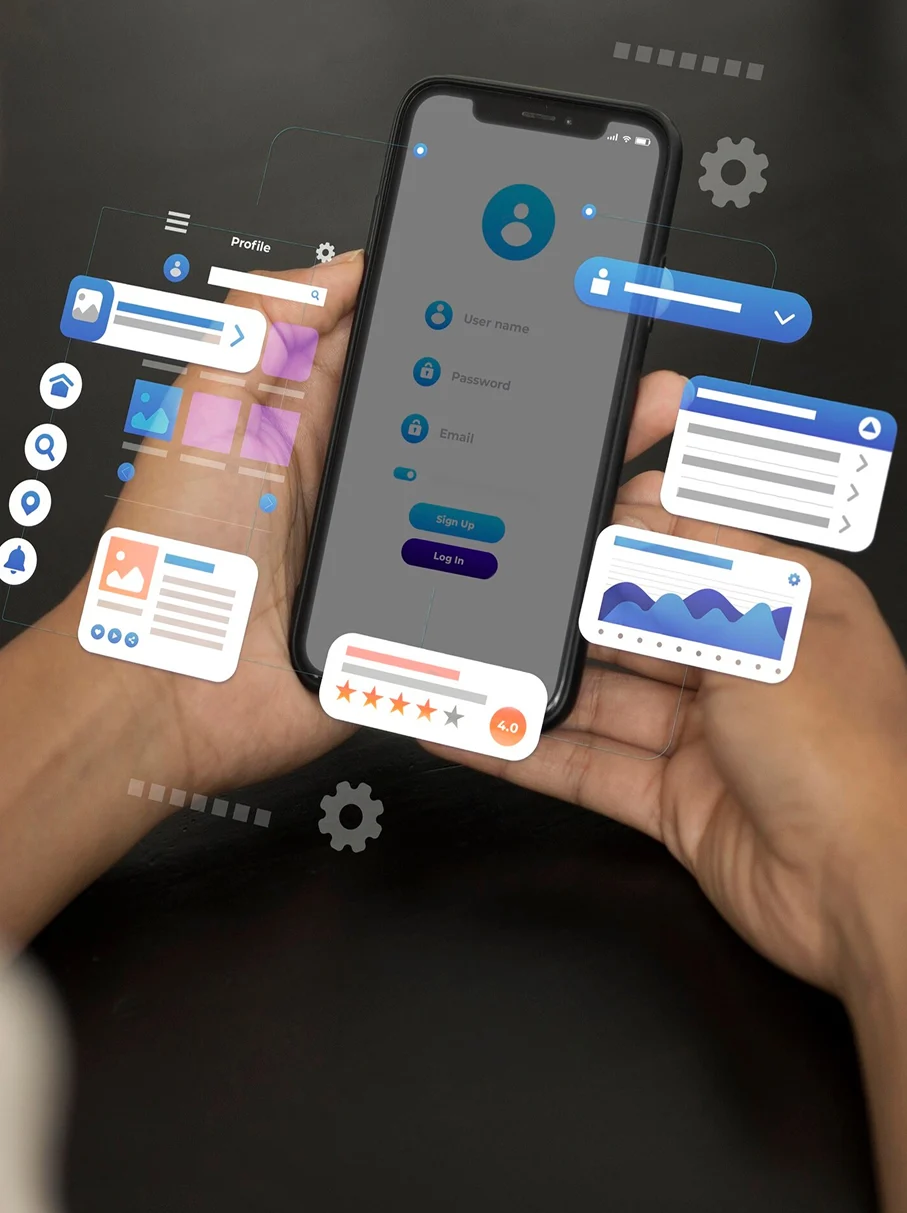
The digital healthcare landscape is evolving rapidly, and mobile technology is at the center of this transformation. With rising smartphone adoption and growing demand for on-demand healthcare services, insurers are shifting toward mobile-first platforms to deliver faster, more accessible experiences. Today’s users expect instant policy access, paperless onboarding, and real-time claim tracking — all from a single app. This growing demand has made health insurance app development a strategic investment for insurers looking to stay competitive in the digital era.
The numbers highlight this shift clearly. The global digital health market is projected to surpass $650 billion by 2030, while the insurtech sector continues to grow at a CAGR of over 30%. Additionally, more than 70% of insurance customers now prefer digital interactions over traditional channels, pushing insurers to modernize their offerings through mobile apps.
In this guide, we’ll explore everything you need to know about building a successful health insurance app, including essential features, development steps, cost estimates, and the key benefits for businesses and users alike.
TL;DR
- Health insurance apps simplify policies, claims, and customer engagement digitally.
- Rising insurtech adoption drives demand for mobile-first insurance solutions.
- Essential features include claims, payments, onboarding, and support systems.
- Development costs vary based on complexity, integrations, and compliance needs.
- Apps improve efficiency, retention, and digital experience for insurers.
Key Points
- Health insurance app development enables insurers to digitize policy management, improve customer experience, and automate claims through secure, scalable mobile platforms.
- Growing insurtech demand and digital healthcare adoption are accelerating investments in feature-rich, AI-powered insurance mobile apps globally.
- Core features like onboarding, digital policies, claims tracking, and in-app payments ensure seamless user experience and higher engagement.
- Development costs depend on app complexity, compliance requirements, integrations, and development location, ranging from basic to enterprise-grade solutions.
- Businesses benefit from automation, reduced operational costs, better analytics, and stronger customer loyalty through modern health insurance apps.
Table of Contents
- Market Overview of Health Insurance Apps
- Why Invest in Health Insurance App Development
- Types of Health Insurance Apps
- Must-Have Features of a Health Insurance App
- Advanced Features to Add
- Health Insurance App Development Process
- Cost of Health Insurance App Development
- Factors Affecting Development Cost
- Benefits of Health Insurance App Development
- Challenges in Health Insurance App Development
- Future Trends in Health Insurance Apps
- Why Choose iTechnolabs for Health Insurance App Development
- Conclusion
- FAQs
Market Overview of Health Insurance Apps
The healthcare and insurance industries are rapidly moving toward digital transformation, and mobile apps are at the center of this shift. With increasing smartphone usage and growing demand for instant services, insurers are actively investing in health insurance app development to provide faster and more convenient user experiences.
Today’s customers prefer managing everything digitally — from buying policies to tracking claims. Traditional paper-based insurance processes are being replaced by mobile-first solutions that offer instant access to policies, real-time claim updates, and seamless support. This change is largely driven by the rising adoption of digital services across industries like banking, shopping, and healthcare.
Another key factor fueling growth is the rising cost of healthcare. As medical expenses increase, more people are purchasing insurance and looking for easy ways to manage their policies. Health insurance apps simplify this process by allowing users to compare plans, store digital documents, and access benefits anytime, anywhere.
At the same time, the rise of insurtech startups is pushing traditional insurers to innovate faster. Digital-first companies are offering AI-driven recommendations, automated claims, and personalized experiences. To stay competitive, established insurers are accelerating their health insurance mobile app development strategies and adopting modern technologies.
Beyond customer convenience, these apps also bring major operational benefits for insurers. They help automate workflows, reduce paperwork, and improve efficiency through data-driven insights. As a result, mobile apps are becoming an essential part of modern insurance ecosystems, helping companies deliver better services while staying competitive in the digital era.
Why Invest in Health Insurance App Development
Investing in health insurance app development offers long-term advantages for both insurers and customers. As digital adoption continues to accelerate, mobile apps have become a critical channel for delivering seamless, efficient, and user-friendly insurance experiences.
Key reasons include:
Rising demand for digital healthcare services
Consumers increasingly prefer managing healthcare and insurance digitally. From buying policies to tracking claims, users expect fast, mobile-first services that eliminate traditional paperwork and delays.
Improved customer engagement
Health insurance apps create a direct communication channel between insurers and users. Features like push notifications, renewal reminders, health tips, and personalized recommendations help maintain continuous engagement and strengthen customer loyalty.
Faster claims processing
Mobile apps simplify the entire claims journey by enabling digital document uploads, real-time status tracking, and automated verification. This reduces processing time, improves customer satisfaction, and minimizes manual effort for insurers.
Enhanced transparency
Transparency plays a vital role in building trust in the insurance sector. With mobile apps, users can easily view policy coverage, benefits, premiums, exclusions, and claim updates, ensuring complete clarity throughout the insurance lifecycle.
Competitive differentiation
As insurtech startups continue introducing innovative digital experiences, traditional insurers must evolve to stay relevant. A well-designed health insurance app allows companies to stand out by offering convenience, speed, and personalization.
Health insurance apps not only improve user experience but also streamline backend operations through automation and data insights. For insurers aiming to stay competitive in the digital era, investing in mobile-first solutions is a strategic move toward long-term growth.
Types of Health Insurance Apps
Before starting health insurance app development, businesses must clearly define the app category based on their business model, target audience, and long-term goals. Choosing the right type of app helps determine features, development complexity, and monetization strategies.
1. Insurance Provider Apps
These apps are developed by insurance companies to directly offer and manage their own policies. They allow users to purchase insurance plans, renew policies, access digital documents, and track claims within a single platform. Insurance provider apps give companies full control over branding, customer experience, and data, making them ideal for established insurers looking to build strong digital ecosystems.
2. Aggregator Apps
Aggregator apps act as comparison platforms that allow users to explore multiple insurance providers and policies in one place. Users can compare premiums, coverage, benefits, and reviews before making a decision. These apps focus on convenience and transparency, helping users find the best policy while generating revenue through commissions or partnerships with insurers.
3. Claims Management Apps
Claims-focused apps are designed specifically to simplify the claims process. They allow users to submit claims digitally, upload documents, track claim progress, and receive real-time updates. Such apps are often used by insurers or third-party administrators to streamline claims workflows, reduce processing time, and improve customer satisfaction.
4. On-Demand Insurance Apps
On-demand apps offer short-term or usage-based coverage tailored to specific needs, such as travel insurance, event coverage, or temporary health plans. These apps are gaining popularity due to their flexibility and affordability, especially among younger, digitally savvy users who prefer customizable insurance solutions.
Selecting the right category is a crucial step in health insurance app development, as it directly impacts feature planning, development costs, and overall business success. Many modern insurers also adopt hybrid models that combine multiple app types to deliver a more comprehensive digital experience.
Must-Have Features of a Health Insurance App
A successful health insurance mobile app development strategy goes beyond basic functionality. To deliver a seamless digital experience, insurers must combine intuitive user features with powerful admin tools. While the user panel focuses on convenience and engagement, the admin panel ensures efficient operations, compliance, and scalability.
User Panel Features
- Easy registration and login: A frictionless onboarding experience is crucial for user adoption. Features like mobile OTP login, social sign-ins, and biometric authentication (Face ID or fingerprint) ensure quick access while maintaining strong security standards.
- Policy purchase and renewal: Users should be able to browse plans, compare benefits, review coverage details, and purchase or renew policies directly within the app. A simplified buying journey reduces drop-offs and improves conversions.
- Premium calculator: A built-in premium calculator helps users estimate policy costs based on factors like age, coverage amount, and medical history. This transparency empowers users to make well-informed insurance decisions.
- Digital policy storage: Secure digital storage allows users to access policy documents, e-cards, and coverage details anytime. This paperless approach enhances convenience and aligns with modern digital expectations.
- Claim filing and tracking: A seamless claims experience is one of the most critical features. Users should be able to upload documents, submit claims in minutes, and track real-time updates, significantly reducing frustration and delays.
- In-app payments: Integrated payment gateways enable users to pay premiums, renew policies, and handle co-payments securely. Supporting multiple payment options like UPI, cards, and wallets ensures flexibility.
- Notifications and reminders: Smart notifications keep users informed about renewal dates, claim updates, payment confirmations, and health tips. This improves engagement and helps users stay on top of their policies.
- Customer support: In-app support via AI chatbots, live chat, or ticketing systems ensures quick issue resolution. Reliable customer support enhances trust and improves overall user satisfaction.
Admin Panel Features
- Policy management dashboard: A centralized dashboard enables insurers to manage plans, update offerings, and monitor app performance from a single interface, ensuring operational control.
- Customer data management: Admins can securely manage customer records, policy details, and transaction histories while maintaining compliance with data privacy regulations.
- Claim approval system: An automated claims processing system streamlines verification, reduces manual workload, and accelerates approvals, ensuring faster settlements and improved efficiency.
- Analytics and reporting: Advanced analytics provide insights into user behavior, claims trends, and revenue performance. These data-driven insights help insurers refine strategies and optimize offerings.
- Fraud detection tools: AI-driven fraud detection mechanisms analyze patterns and flag suspicious activities, helping insurers prevent fraudulent claims and minimize financial losses.
While basic apps focus on core features like claims, payments, and support, modern health insurance app development increasingly incorporates advanced functionality to enhance personalization, automation, and scalability. Investing in the right feature set ensures better user engagement, operational efficiency, and long-term digital success.
Advanced Features to Add
To stand out in a competitive market, modern health insurance app development goes beyond basic functionality. Advanced features powered by emerging technologies not only improve user experience but also enhance personalization, automation, and long-term scalability. These innovations help insurers deliver smarter, faster, and more engaging digital services.
- AI-based policy recommendations: Artificial intelligence can analyze user data such as demographics, medical history, lifestyle habits, and past insurance behavior to recommend the most suitable policies. This personalized approach improves conversions and helps users choose plans that truly match their needs.
- Chatbots for customer support: AI-powered chatbots provide instant, 24/7 assistance for common queries like policy details, claim status, or renewal reminders. They reduce support workload, improve response times, and ensure users receive immediate help without waiting for human agents.
- Telemedicine integration: Integrating telemedicine allows users to consult doctors directly within the app through video or chat. This feature adds value by transforming the app from a policy management tool into a complete digital healthcare solution.
- Wearable device integration: Connecting with fitness trackers and smartwatches enables real-time health monitoring. Insurers can use this data to offer wellness rewards, personalized premiums, or preventive healthcare programs, encouraging healthier lifestyles among users.
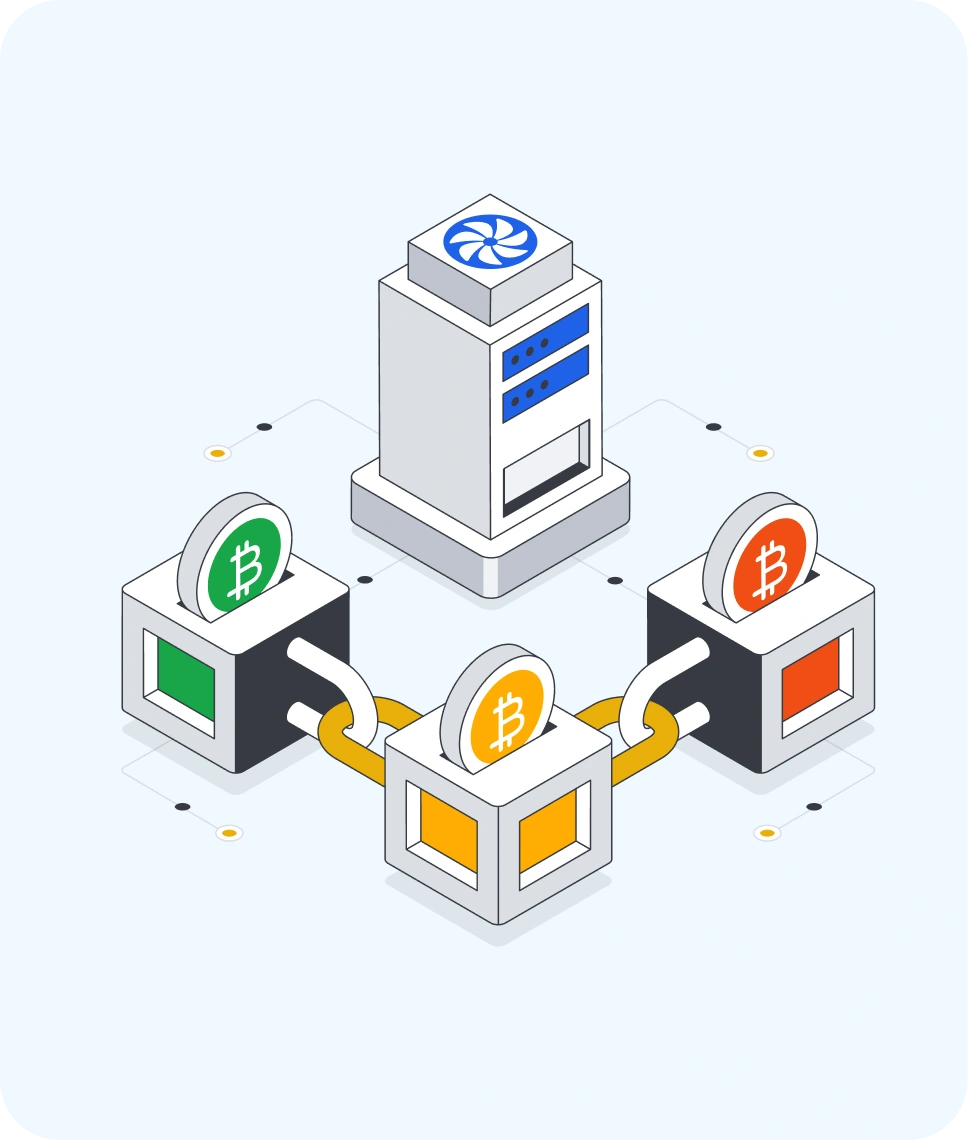
- Blockchain for secure claims: Blockchain technology enhances transparency and security in claims processing. Creating tamper-proof records, it reduces fraud, speeds up verification, and builds greater trust between insurers and policyholders.
- Predictive analytics: Predictive analytics helps insurers forecast health risks, identify fraud patterns, and anticipate customer needs using historical and real-time data. This allows proactive decision-making, better risk assessment, and improved service delivery.
Incorporating these advanced capabilities into health insurance app development not only improves engagement and operational efficiency but also future-proofs the platform. As digital healthcare continues to evolve, insurers that adopt intelligent and data-driven features will gain a significant competitive advantage.
Health Insurance App Development Process
Building a robust and scalable app requires a well-defined approach. A structured health insurance app development process ensures the final product is secure, user-friendly, and compliant with industry regulations. From planning to post-launch support, each stage plays a critical role in delivering a successful digital insurance platform
1. Discovery and Market Research
This initial phase focuses on defining the app’s vision and strategy. Businesses identify their target audience, analyze competitors, and outline key goals and monetization models. It also includes understanding compliance requirements, regulatory standards, and user pain points to build a strong project foundation.
2. UI/UX Design
Once the strategy is clear, the focus shifts to designing an intuitive and engaging user experience. Wireframes and prototypes are created to map user journeys and app workflows. A clean, accessible design ensures easy navigation, faster onboarding, and higher adoption rates, especially for non-tech-savvy users.
3. App Development
This is the core stage of health insurance mobile app development, where frontend and backend systems are built. The frontend focuses on user interfaces, while the backend handles databases, APIs, authentication, and integrations. Developers also ensure secure architecture, scalability, and seamless third-party integrations like payment gateways or telehealth services.
4. Testing and QA
Quality assurance is critical for healthcare and insurance applications. Rigorous testing is conducted to identify bugs, performance issues, and security vulnerabilities. Compliance testing ensures adherence to data protection standards such as HIPAA or GDPR, ensuring the app is safe and reliable for users.
5. Deployment and Maintenance
After successful testing, the app is launched on platforms like the App Store and Google Play. However, development doesn’t end at launch. Continuous monitoring, updates, performance optimization, and feature enhancements are essential to keep the app competitive and secure.
A well-structured health insurance app development lifecycle typically follows discovery, design, development, testing, and deployment phases. Partnering with an experienced development team ensures smoother execution, faster time-to-market, and long-term scalability.
Cost of Health Insurance App Development
The cost of health insurance app development depends on multiple factors, including app complexity, feature set, integrations, and compliance requirements. Since health insurance apps deal with sensitive medical and financial data, they require robust security, scalable architecture, and regulatory compliance — all of which increase development costs compared to standard mobile apps.
For businesses starting with a Minimum Viable Product, a basic health insurance app typically costs between $30,000 and $80,000, covering core features like user registration, policy management, document storage, and simple claims submission. As more advanced functionality and integrations are added, the overall investment increases significantly.
From MVP solutions for startups to enterprise-grade platforms for insurers, the investment can vary widely. Businesses should evaluate both initial development costs and long-term expenses like maintenance, updates, and cloud infrastructure.
Estimated Cost Breakdown
Here’s a general pricing overview based on app complexity:
| App Type | Estimated Cost Range | Features Included |
| Basic App | $30,000 – $80,000 | Login, policy management, basic claims, document storage |
| Mid-Level App | $80,000 – $150,000 | Payments, admin dashboard, push notifications, analytics |
| Advanced App | $150,000 – $300,000+ | AI features, telemedicine, wearables, predictive analytics |
Basic App Cost
A basic health insurance app focuses on essential functionality such as user registration, policy viewing, document storage, and simple claims submission. These apps are ideal for startups or insurers launching an MVP to validate their digital strategy with minimal investment.
Mid-Level App Cost
Mid-tier apps include enhanced features like secure payment gateways, admin dashboards, real-time notifications, and third-party integrations. These apps are suitable for growing insurance providers aiming to improve user engagement and operational efficiency.
Advanced App Cost
Advanced or enterprise-level apps include cutting-edge technologies such as AI-based recommendations, telemedicine integration, wearable device connectivity, predictive analytics, and enterprise-grade security. These apps are built for scalability and long-term digital transformation.
Factors Affecting Development Cost
Several factors influence the overall investment in health insurance app development. Understanding these variables helps businesses plan budgets more effectively.
App Complexity
The number and sophistication of features play the biggest role in cost estimation. Advanced features like AI, real-time analytics, and blockchain require more development time and specialized expertise.
Platform (iOS, Android, or Both)
Developing a single-platform app is more cost-effective, while building for both iOS and Android increases cost due to additional design, testing, and optimization requirements. Cross-platform frameworks can help reduce expenses.
UI/UX Design Quality
A well-designed interface improves engagement but requires additional design effort. Custom animations, micro-interactions, and accessibility features can increase design costs but enhance user experience significantly.
Third-Party Integrations
Integrating services like payment gateways, telemedicine APIs, wearable devices, and cloud services adds both development complexity and ongoing subscription costs.
Compliance Requirements
Healthcare apps must comply with strict data privacy regulations such as HIPAA, GDPR, or regional healthcare laws. Ensuring compliance involves secure data handling, encryption, audits, and legal validations, increasing overall costs.
Development Team Location
The geographical location of your development partner also impacts pricing. For example, development costs are typically higher in North America and Western Europe compared to regions like India or Southeast Asia.
Due to strict security and compliance requirements, health insurance app development often involves a higher upfront investment. However, a well-built app delivers strong long-term ROI through automation, improved customer retention, and reduced operational costs.
Suggested Article: AI Chatbot in Healthcare: Transforming Patient Care with Medical AI Chatbots
Benefits of Health Insurance App Development
Investing in health insurance app development delivers transformative benefits for both insurers and policyholders. By digitizing traditional insurance workflows, mobile apps eliminate inefficiencies, enhance accessibility, and create a more transparent and user-centric insurance ecosystem. As digital adoption accelerates, these apps are becoming a critical growth driver for modern insurance providers.
For Businesses
- Increased customer retention: A mobile app enables continuous engagement through personalized notifications, renewal reminders, and wellness insights. This ongoing interaction strengthens relationships and reduces churn, leading to higher customer lifetime value and improved retention rates.
- Reduced operational costs: By digitizing core processes like onboarding, policy issuance, and claims management, insurers can significantly cut administrative costs. Automation reduces manual intervention, lowers dependency on physical branches, and minimizes paperwork-related expenses.
- Automated workflows: Health insurance apps streamline repetitive processes such as KYC verification, document uploads, and premium reminders. Automated workflows not only improve efficiency but also reduce processing delays and human errors, resulting in faster service delivery.
- Better data insights: Mobile apps provide access to real-time user data, enabling insurers to analyze behavior patterns, health trends, and policy usage. These insights support smarter underwriting, personalized product recommendations, and proactive fraud detection.
- Enhanced customer experience: A seamless digital journey—from policy purchase to claim settlement—significantly improves overall customer satisfaction. Intuitive interfaces and quick service delivery create a positive brand experience that builds long-term trust.
- Scalability and growth opportunities: Digital platforms make it easier for insurers to scale operations without significantly increasing infrastructure costs. Apps enable companies to expand into new markets, launch new products quickly, and serve a larger customer base efficiently.
- Stronger brand presence: A feature-rich mobile app positions insurers as innovative and tech-forward brands. This strengthens credibility and helps companies compete with digital-first insurtech startups while attracting younger, tech-savvy customers.
For Users
- Instant policy access: Users can access policy documents, coverage details, e-cards, and claim history anytime, anywhere. This eliminates dependency on physical documents and ensures critical information is always available when needed.
- Faster claims processing: Digital claims submission drastically reduces turnaround time. With real-time tracking and automated verification, users experience faster approvals and greater transparency throughout the claims lifecycle.
- Paperless and convenient experience: From onboarding and documentation to renewals and support, everything can be managed digitally. This creates a smooth, hassle-free experience while also supporting environmentally sustainable practices.
- Improved transparency: Clear visibility into policy benefits, premiums, exclusions, and claim status builds trust and reduces confusion. Users feel more confident when they have complete control over their insurance information.
- Personalized insurance experience: Advanced apps use AI and analytics to deliver tailored policy recommendations, health insights, and wellness rewards. This level of personalization enhances engagement and makes insurance more relevant to individual needs.
- 24/7 accessibility and support: With built-in chatbots and self-service features, users can resolve queries anytime without waiting for office hours. Instant access to support improves convenience and user satisfaction.
By offering operational efficiency for insurers and unmatched convenience for users, health insurance app development creates a powerful win-win scenario. Companies that invest in mobile-first insurance platforms can unlock new revenue streams, strengthen customer relationships, and build a future-ready digital insurance ecosystem.
Challenges in Health Insurance App Development
While health insurance app development offers significant benefits, it also comes with a unique set of challenges. Since these apps handle sensitive healthcare and financial data, businesses must navigate complex technical, regulatory, and user experience hurdles. Addressing these challenges early is crucial for building secure, scalable, and trustworthy digital insurance platforms.
- Regulatory compliance: One of the biggest challenges is adhering to strict healthcare and data protection regulations. Depending on the target market, apps may need to comply with standards like HIPAA, GDPR, or region-specific healthcare laws. Ensuring compliance involves secure data handling, audit trails, encryption protocols, and legal validations, which can increase both development time and cost.
- Data privacy concerns: Health insurance apps manage highly sensitive user information, including medical records, financial details, and personal identification data. Protecting this data from breaches requires robust cybersecurity measures such as end-to-end encryption, multi-factor authentication, and secure cloud infrastructure. Even a minor vulnerability can severely impact brand reputation and user trust.
- Integration with legacy systems: Many traditional insurers still rely on outdated backend systems. Integrating modern mobile apps with legacy infrastructure can be technically complex and time-consuming. Developers must ensure seamless data synchronization without disrupting existing workflows, which often requires custom APIs and middleware solutions.
- User trust and adoption: Building user trust is another major challenge, especially in regions where digital insurance adoption is still growing. Users may hesitate to share sensitive data or rely on mobile apps for claims. To overcome this, insurers must focus on intuitive design, transparent policies, strong security messaging, and reliable customer support.
- High development and maintenance costs: Compared to standard apps, insurance platforms require higher investment due to compliance, security, and scalability requirements. Additionally, ongoing costs like regular updates, security patches, and regulatory upgrades add to long-term expenses.
- Complex feature implementation: Advanced features like AI-driven underwriting, telemedicine integration, and wearable connectivity require specialized expertise. Implementing these technologies while maintaining performance and compliance can be technically demanding.
Overcoming these hurdles requires a compliance-first approach, robust security architecture, and collaboration with experienced development partners. By proactively addressing these challenges, businesses can ensure successful health insurance app development and build reliable, future-ready digital insurance solutions.
Future Trends in Health Insurance Apps
The future of health insurance app development will be driven by rapid technological innovation and evolving user expectations. As digital healthcare ecosystems continue to mature, insurance apps will move beyond basic policy management to become intelligent, personalized, and proactive health platforms. These emerging trends are set to redefine how insurers deliver value and engage with customers.
AI-powered underwriting
Artificial intelligence is transforming how insurers assess risk and approve policies. AI-driven underwriting can analyze vast datasets, including medical history, lifestyle habits, and behavioral patterns, to deliver faster and more accurate policy decisions. This reduces manual effort, speeds up approvals, and enables more dynamic pricing models.
Embedded insurance ecosystems
Embedded insurance integrates coverage directly into third-party platforms such as healthcare apps, fitness platforms, or telemedicine services. Instead of purchasing policies separately, users receive contextual insurance offerings within digital ecosystems, creating seamless and frictionless experiences.
IoT and wearable integrations
The rise of IoT devices and wearable technology is enabling real-time health monitoring. By integrating fitness trackers and smart health devices, insurers can track user activity, encourage preventive care, and offer incentives like lower premiums or wellness rewards for healthy behavior.
Hyper-personalized policies
Future insurance apps will leverage advanced analytics and AI to offer highly personalized plans. Instead of one-size-fits-all policies, users will receive tailored coverage based on their health data, lifestyle, and risk profile, improving both relevance and customer satisfaction.
Blockchain-based claims
Blockchain technology is expected to revolutionize claims processing by introducing transparency and immutability. Smart contracts can automate claim settlements, reduce fraud, and create tamper-proof records, significantly improving trust and efficiency across the insurance ecosystem.
Predictive and preventive healthcare
Health insurance apps are gradually shifting from reactive protection to proactive healthcare management. Predictive analytics will help identify potential health risks early, enabling insurers to provide preventive care recommendations and early intervention programs.
As these innovations gain momentum, health insurance app development will evolve into a key pillar of digital healthcare transformation. Insurers that adopt emerging technologies early will be better positioned to deliver personalized experiences, improve operational efficiency, and lead the next wave of insurtech innovation.
Why Choose iTechnolabs for Health Insurance App Development
Choosing the right development partner plays a critical role in the success of your digital insurance product. With deep expertise in healthcare and insurtech solutions, iTechnolabs stands out as a trusted technology partner for building secure, scalable, and future-ready insurance applications.
- Proven experience in healthcare and insurtech: iTechnolabs has extensive experience delivering custom healthcare and insurance solutions tailored to industry-specific requirements. Their domain expertise ensures your app aligns with regulatory standards and evolving market needs.
- End-to-end development services: From idea validation and UI/UX design to development, testing, and post-launch support, iTechnolabs offers complete health insurance app development services under one roof. This ensures faster delivery and seamless collaboration throughout the project lifecycle.
- Compliance-driven development: Healthcare apps demand strict adherence to regulations like HIPAA and GDPR. iTechnolabs follows a compliance-first approach, implementing strong data encryption, secure APIs, and robust authentication protocols to safeguard sensitive user data.
- Custom and scalable solutions: Every insurance business has unique requirements. iTechnolabs builds fully customizable apps designed for scalability, allowing insurers to add new features, integrations, and user segments as they grow.
- Advanced technology expertise: The team leverages modern technologies like AI, blockchain, cloud computing, and IoT to build feature-rich and future-ready insurance apps. This helps businesses stay ahead in the competitive insurtech landscape.
- User-centric design approach: iTechnolabs focuses on creating intuitive and engaging user experiences. Their UI/UX strategies prioritize accessibility, smooth navigation, and high user retention.
- Agile development and transparent communication: With agile methodologies and transparent workflows, iTechnolabs ensures regular updates, faster iterations, and complete project visibility, helping clients stay involved at every stage.
- Post-launch support and maintenance: Beyond development, iTechnolabs provides ongoing support, performance monitoring, and feature enhancements to ensure long-term app success.
By combining industry expertise, cutting-edge technology, and a client-focused approach, iTechnolabs empowers insurers to build secure and scalable digital solutions. Partnering with the right team ensures your health insurance app development journey is smooth, compliant, and future-ready.
Also, read: A Quick Guide to Healthcare Software Development in 2026
Conclusion
As the insurance industry accelerates toward digital-first experiences, health insurance app development has become a strategic necessity rather than an optional innovation. Modern consumers expect seamless, mobile-driven interactions — from instant policy access to real-time claims and personalized healthcare services. Mobile apps not only meet these expectations but also redefine how insurers connect with their customers.
By digitizing traditional insurance workflows, health insurance apps enhance operational efficiency, improve transparency, and deliver superior user experiences. They empower insurers to automate complex processes, leverage data-driven insights, and offer highly personalized services while reducing administrative overhead.
However, building a successful health insurance app requires more than just technology. It demands a thoughtful approach that balances user-centric design, robust security, regulatory compliance, and scalable architecture. Businesses that invest in the right feature set and partner with experienced development teams can unlock long-term value and sustainable growth.
Looking ahead, emerging technologies like AI, wearable integrations, and predictive analytics will continue to shape the future of digital insurance. Companies that embrace innovation today will be better positioned to lead the evolving insurtech landscape.
In a rapidly transforming healthcare ecosystem, investing in health insurance app development is not just about staying competitive — it’s about building future-ready digital solutions that deliver lasting value for both insurers and users.
FAQs
1. What is health insurance app development?
Health insurance app development refers to creating mobile applications that enable users to purchase, manage, and claim insurance policies digitally. These apps simplify policy access. automate claims, and improve customer engagement while helping insurers streamline operations and deliver faster, more convenient insurance services through mobile platforms.
2. How long does it take to develop a health insurance app?
The development timeline usually ranges between 3 to 9 months, depending on the app’s complexity, features, integrations, and compliance needs. Basic apps can be launched faster, while enterprise-level solutions with advanced technologies like AI, telemedicine, and analytics may require extended planning, development, and testing phases.
3. How much does it cost to build a health insurance app?
The cost of health insurance app development varies based on features, platform choice, and security requirements. A basic app may cost between $30,000 and $80,000, while mid-level apps range higher. Advanced enterprise solutions with AI, integrations, and compliance features can exceed $300,000.
4. What features should a health insurance app include?
A health insurance app should include essential features like user registration, policy management, digital document storage, claims submission, and real-time tracking. Additional features such as secure payments, notifications, and customer support enhance usability, while advanced apps may include AI recommendations, telemedicine, and wearable integrations.
5. Is regulatory compliance necessary for health insurance apps?
Yes, regulatory compliance is critical for health insurance apps since they handle sensitive medical and financial data. Apps must follow standards like HIPAA, GDPR, or regional healthcare regulations to ensure secure data storage, user privacy, and legal operation while maintaining trust and avoiding potential penalties.
6. How do health insurance apps make money?
Health insurance apps generate revenue through multiple streams, including policy sales, commissions from insurers, premium subscriptions, and partnerships with healthcare providers. Some apps also monetize through value-added services like telemedicine consultations, wellness programs, and personalized insurance offerings powered by data insights.
7. What technologies are used in health insurance app development?
Modern health insurance apps leverage technologies like artificial intelligence, cloud computing, blockchain, and APIs to improve scalability and automation. Wearable integrations and analytics tools enable personalization, while secure cloud infrastructure ensures reliable data storage, seamless integrations, and high-performance digital insurance experiences for users and providers.