Many applications are available, and digital solutions have permeated every aspect of our life. Apps serve many functions, from recreation and health to knowledge and education. Not even the medical sector is immune to this trend. It has made a smooth and rapid transition into the app market, where it will help both patients and doctors. It is clear that the healthcare sector, including the pharmaceutical business, is rapidly adopting software solutions. This trend will only accelerate as more and more areas of society get digitized. In light of this, we have compiled all the information pertinent to healthcare software development and offered suggestions to ensure that your business or organization reaps the benefits of Healthcare Software Development.
Table of Contents
- An Insight into Healthcare Software Development
- Why Healthcare Software Development is Important?
- Important Components of Healthcare Software Development
- Step-by-Step Process to Develop Healthcare Software
- Do you want Healthcare Software Development Service for Your Hospital?
- Frequently Asked Questions For Healthcare Software Development
An Insight into Healthcare Software Development
Over the past decade, healthcare has been among the world’s most rapidly expanding markets. As medicine advances in sophistication, so too must healthcare software.
As healthcare software development is at the vanguard of this shift, the software development sector is developing fast, with an average growth of 8% year-over-year.
As more doctors and patients start using this innovation, we anticipate explosive growth over the next five years. As more and more healthcare facilities improve their infrastructure to meet modern digital standards, the demand for skilled healthcare software developers is expected to rise.
Why Healthcare Software Development is Important?
The quality and accessibility of medical care have evolved significantly in the modern era. Patients are increasingly living longer and are more engaged in their own healthcare than ever before because of the proliferation of social media, online shops, and cutting-edge technology.
A total of $175 billion was spent on the digital health industry worldwide in 2019, and that number is projected to rise to $660 billion by 2026.
Statista predicts that by 2020, the digital health business will have raised $21 billion from investors, up from just $1 billion in 2010.
For a variety of reasons, the healthcare sector is highly reliant on computer programmes and electronic devices. Check out the most typical ones.
1. Savings in Expenses
Cost-effectiveness is a major factor. Costs are reduced as a result of fewer medical mistakes and increased productivity thanks to this programme. When a medical professional needs clarification on a patient’s medicine, they can consult their computer instead of paging another staff member.
2. Increase Profits
Revenues in healthcare now top $3 trillion annually, making it one of the fastest-growing industries in the world. Using software that automates procedures and gives workers more autonomy is one way they might raise income.
3. Strengthening the Doctor-Patient Bond
Care for patients has benefited greatly from technological advancements, just one example of the numerous ways in which our standard of living has increased. As opposed to sifting through stacks of paper documents, medical professionals may simply log into an EMR system and pull up a patient’s medical history, allergies, and prescriptions in seconds.
4. Refine Current Methods
The healthcare industry needs software development in order to benefit from the digital revolution. Improved patient care and cost savings for hospitals are possible outcomes of software development’s ability to streamline administrative procedures.
Important Components of Healthcare Software Development
- Instrument for Keeping Tabs
- Integrating Health Records
- Planned Reminders and Appointments
- Medical References
- Integration of Electronic Medical Records
- Login using Social Media
- Monitor for Patients
- Incredibly Straightforward New-Patient Sign-Up
Healthcare software development is crucial for many healthcare organizations’ day-to-day processes, from patient and medical staff management to supply chain and inventory tracking. See the essential healthcare software development elements when choosing a company or partners for your next project.
1. Instrument for Keeping Tabs
In healthcare, precise information can mean the difference between life and death. Choose a software development company that can provide you with a detailed audit trail before you commit to them for your project. It will help you organize the information gathered at various stages.
By reducing the number of people needed to perform administrative chores like data entry and report retrieval, an automated system frees up more person-hours that may be put to better use elsewhere.
2. Integrating Health Records
Integrating EHRs is crucial to the overall functionality of any healthcare management system. When the EHR and other back-end systems are connected with the front-end software solution, information may be accessible to all parties involved in healthcare in a streamlined and efficient manner.
3. Planned Reminders and Appointments
Appointment reminders are a necessary part of the healthcare system. As it is sometimes difficult for medical professionals to keep track of their time, it is helpful if they have access to software that may assist them in organizing their schedules and discovering available times for patient visits.
4. Medical References
These tasks and more are part of a physician information system, including scheduling appointments, storing and retrieving patient medical records, processing payments, and documenting patient care. Integration with other systems is another feature. This includes EHRs, lab and x-ray equipment, pharmacy management software, and hospital information systems.
5. Integration of Electronic Medical Records
The term “Electronic Medical Records” (EMR) refers to a method of digitally archiving medical history. Electronic medical records (EMRs) help healthcare practitioners save time, money, and lives by providing instant access to a patient’s medical history. Patients can more easily take charge of their health care since they conveniently access their records.
6. Login using Social Media
All healthcare apps need a login mechanism, but those designed for use across several devices need it even more.
If your app supports both Android and iOS, for instance, users should be able to sign up using their email address or a Google account. As a result, users may readily transfer their information between devices without signing up for a new version each time.
7. Monitor for Patients
The term “patient dashboard” refers to a web-based interface that gives patients, family members, and medical professionals a comprehensive overview of a patient’s health status.
Patients may view lab results, appointments, and other health-related information, while caregivers can use it to keep tabs on their loved ones. Patients need to have access to their records to discuss their health with loved ones and medical professionals.
8. Incredibly Straightforward New-Patient Sign-Up
Help assist your team by having them fill out less paperwork using an automated patient registration system. Registering patients should be simple and quick in any healthcare program. Providers and patients rely on it to get registered fast and start receiving the treatment they require as soon as possible.
Step-by-Step Process to Develop Healthcare Software
- Analysis of Needs
- Layout of the User Interface
- Analyzing Alerts
- Coding and Testing
- Training and Implementation
Healthcare institutions, whether hospitals, clinics, or other types of facilities, may benefit significantly from healthcare software. Patients can benefit from health software because it gives them easy access to trustworthy educational resources that they can use to gain a deeper understanding of their health issues. However, how does healthcare IT get developed? Here are the steps:
1. Analysis of Needs
Requirements analysis is the initial step in creating medical software. At this point, it is time to get input from those using the new software system through interviews. It’s also the phase where a project plan is drafted to estimate how long and what materials will be needed to complete the task.
These queries might contain, for example:
- Where are we going with this?
- What exactly are we anticipating it will accomplish?
- To what other options do you think this measures up?
- Which primary characteristics do you seek?
2. Layout of the User Interface
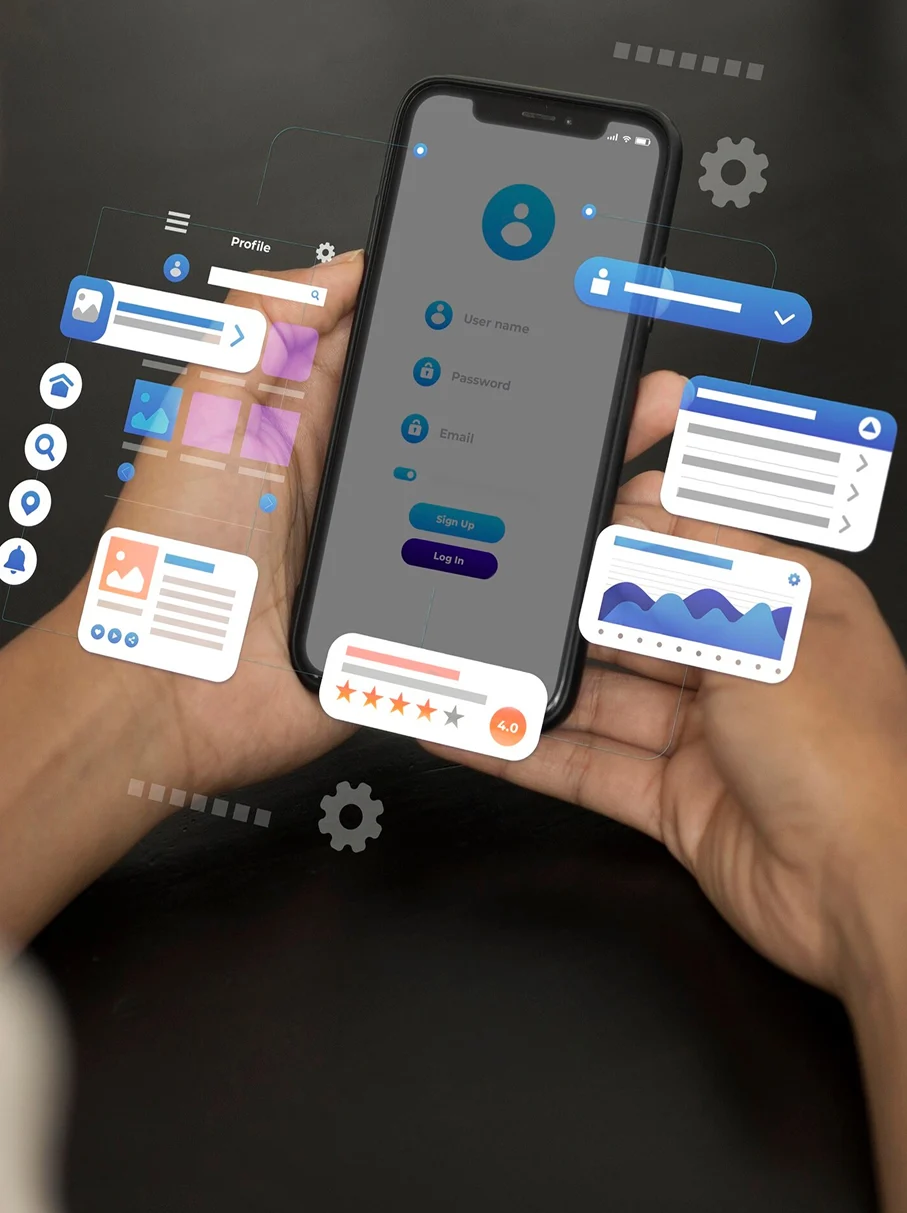
One of the most important aspects of any piece of software is its interface. It’s the interface that allows users to do actions within an application. Thus, it has to be well thought out. The user interface should look nice, work well, and be easy to understand and employ. The fact that physicians and nurses will be using the software on their personal computers in a clinical environment adds a further layer of complexity to designing the healthcare software’s user interface.
3. Analyzing Alerts
Creating medical programs is fraught with peril. To systematically identify and rank hazards is the goal of risk assessment. Both human factors and technological factors are included in risk assessments. As a bonus, it calculates the severity of the potential consequences of each risk to your company.
The risk may be evaluated in several ways, although both qualitative and quantitative approaches exist. Qualitative evaluations are founded on the thoughts and feelings of knowledgeable people, whereas quantitative assessments are grounded in hard evidence.
4. Coding and Testing
Planned coding and testing for healthcare software require input from developers, QAEs, QA testers, and SME consultants. Requirements, designs, and implementations are all sent back and forth in this iterative process.
Engineers specializing in quality assurance make sure that all requirements are met. Software testers seek out and report bugs in programs before they are made available to the public. Experts in the field check to see that the code follows standards in the area.
5. Training and Implementation
All medical staff should be familiar with the phases of our software development life cycle titled “Deployment” and “Training.” When a new version of our application is ready to be released to the public, we initiate the deployment phase. These two procedures are essential for ensuring that our software keeps functioning properly after implementing enhancements or fixes.
Also, read: 15 Best Digital Healthcare App Development Companies in 2026
Do you want Healthcare Software Development Service for Your Hospital?
It takes work to make a reliable healthcare app. Not all programmers are up to par on it. Because of this, iTechnolabs employs a staff of seasoned developers capable of thoroughly analyzing your requirements and developing a top-tier solution to meet them. Now is the moment to put your money into developing a healthcare app and dominate the industry with innovative products. iTechnolabs is here to assist with first-rate medical program options. Allow me to light a fire under your plan!
Frequently Asked Questions For Healthcare Software Development
1. What is healthcare software development?
Healthcare software development involves designing and building digital solutions that help healthcare organizations improve patient care, streamline operations, and manage medical data. Common examples include telemedicine platforms, electronic health records (EHR) systems, hospital management software, patient portals, and healthcare mobile applications.
2. What are the types of software development in the healthcare industry?
Healthcare software development covers a wide range of solutions designed to improve patient care, streamline medical operations, and enhance data management. Some of the most common types of healthcare software include:
- Telemedicine Software – Enables virtual consultations, remote diagnosis, and follow-up care, making healthcare services more accessible to patients.
- Hospital Management Software – Streamlines administrative, operational, and clinical workflows, helping healthcare facilities improve efficiency and patient management.
- Electronic Medical Records (EMR) Software – Stores and manages patient medical histories, diagnoses, treatment plans, and test results in a secure digital format.
- Healthcare CRM Software – Helps healthcare providers manage patient relationships, appointments, communication, and personalized care services.
- E-Prescribing Software – Allows physicians to send digital prescriptions directly to pharmacies, reducing errors and improving medication management.
- Medical Diagnosis Software – Uses artificial intelligence and advanced analytics to assist healthcare professionals in diagnosing diseases and identifying treatment options.
3. Which is the top healthcare software development company?
Several healthcare software development companies specialize in building secure, compliant, and innovative healthcare solutions. The right choice depends on your project requirements, budget, and technology needs. Some leading healthcare software development companies include:
- iTechnolabs
- Innowise
- ScienceSoft
- TatvaSoft
- LeewayHertz
- Codal
- Hidden Brains
- DICEUS
- Yalantis
- Ralabs
When selecting a healthcare software development partner, consider factors such as industry experience, regulatory compliance expertise (HIPAA, GDPR, etc.), technology capabilities, portfolio quality, and post-launch support services.
4. How much does healthcare software development cost?
The cost of healthcare software development varies depending on project complexity, required features, third-party integrations, compliance requirements, and development timelines. A basic solution may cost several thousand dollars, while advanced healthcare platforms with custom functionality and security features require significantly higher investments.
5. How long does it take to develop healthcare software?
Healthcare software development timelines depend on the application’s complexity, features, integrations, and regulatory requirements. A simple healthcare application may take three to six months to develop, while enterprise-grade healthcare systems with advanced functionality can require nine months or more.
6. What regulations and compliance standards apply to healthcare software?
Healthcare software must comply with regulations designed to protect patient information and ensure data security. Depending on the target market, common standards include HIPAA, GDPR, PIPEDA, and other regional healthcare regulations that govern data privacy, storage, sharing, and accessibility.
7. What technologies are commonly used in healthcare software development?
Healthcare software development commonly utilizes technologies such as artificial intelligence, machine learning, cloud computing, IoT devices, big data analytics, blockchain, and telemedicine tools. These technologies help improve patient outcomes, automate workflows, enhance security, and support data-driven healthcare decisions.