Enterprise mobile apps have evolved from simple internal tools into powerful engines of digital transformation. In today’s hyper-connected business landscape, organizations across industries are investing heavily in enterprise mobile app development to streamline operations, empower employees, and deliver seamless customer experiences. What was once limited to productivity apps has now expanded into intelligent, data-driven platforms that connect entire business ecosystems.
The rapid growth of enterprise mobility reflects this shift. The global mobile enterprise application market is expected to grow from over $125 billion in 2025 to $141+ billion in 2026, driven by mobile-first business strategies and real-time access demands. At the same time, the broader enterprise mobility management market is projected to grow at over 25% CAGR, fueled by hybrid work models, rising smartphone adoption in workplaces, and increasing demand for secure mobile solutions.
Mobile apps are also becoming the backbone of modern digital infrastructure. With over 300+ billion app downloads projected annually, mobile platforms are now central to how businesses interact with customers and employees alike. This explosive adoption highlights why enterprises are prioritizing mobility as a long-term growth strategy rather than a short-term innovation.
As businesses continue shifting toward digital-first and mobile-first strategies, enterprise mobility has become a critical factor in achieving scalability, agility, and competitive advantage. Companies that embrace enterprise mobile app development are not just improving efficiency — they are building future-ready ecosystems that enable faster decision-making, smarter automation, and sustainable business growth in 2026 and beyond.
Table of Contents
- What is Enterprise Mobile App Development?
- Why Enterprise Mobile Apps Are Important for Modern Businesses
- Key Benefits of Enterprise Mobile App Development
- Types of Enterprise Mobile Applications
- Essential Features of Enterprise Mobile Apps
- Enterprise Mobile App Development Process
- Technologies Powering Enterprise Mobile Apps
- Future Trends in Enterprise Mobile App Development (2026 and Beyond)
- Why Choose iTechnolabs for Enterprise Mobile App Development?
- Conclusion
- FAQs
What is Enterprise Mobile App Development?
Enterprise mobile app development is the process of designing and building robust, scalable mobile applications specifically tailored for organizations rather than individual consumers. These applications are developed to support complex business operations, streamline internal processes, and enhance collaboration across departments, teams, and locations.
Unlike traditional mobile apps that focus primarily on user engagement or entertainment, enterprise apps are built with a strong emphasis on functionality, data security, system integration, and operational efficiency. They act as digital tools that enable employees, partners, and stakeholders to access business-critical systems and workflows anytime, anywhere.
At its core, enterprise mobile app development focuses on solving real business challenges. These apps can automate repetitive tasks, digitize legacy workflows, provide real-time analytics, and enable secure communication across distributed teams. For example, sales teams can access CRM data on the go, field technicians can update service logs instantly, and executives can monitor KPIs in real time through mobile dashboards.
One of the defining aspects of enterprise apps is their deep integration capabilities. They are often connected with enterprise-grade systems such as ERP platforms, CRM tools, HR management software, supply chain systems, and cloud infrastructure. This interconnected ecosystem ensures seamless data flow, operational transparency, and faster decision-making.
Another critical factor that differentiates enterprise apps from consumer apps is their focus on scalability and security. Enterprise mobile applications are built to handle large user bases, multi-location deployments, and high-volume transactions without compromising performance. They incorporate advanced security measures such as end-to-end encryption, multi-factor authentication, role-based access controls, and compliance with industry standards like GDPR, HIPAA, or SOC 2.
In addition, modern enterprise mobile app development often involves cross-platform frameworks, cloud-native architectures, and AI-powered automation to ensure flexibility and long-term scalability. Whether deployed for internal workforce management or external customer engagement, enterprise mobile apps play a pivotal role in accelerating digital transformation.
In simple terms, enterprise mobile app development is about building intelligent, secure, and scalable mobile solutions that empower businesses to operate more efficiently, stay agile in competitive markets, and drive sustainable growth in a mobile-first world.
Also Read: How to Ensure Your Enterprise is Ready for AI Integration?
Why Enterprise Mobile Apps Are Important for Modern Businesses
Enterprise mobile apps have transitioned from being optional productivity tools to becoming mission-critical digital assets. In today’s fast-paced, mobile-first world, businesses must operate with speed, agility, and real-time responsiveness — and this is exactly where enterprise mobile app development plays a transformative role.
Modern organizations rely on mobile technologies to stay competitive in an increasingly digital economy. Enterprise apps help streamline complex workflows, eliminate manual inefficiencies, and provide employees with instant access to critical business tools and data. Whether it’s managing operations remotely, approving tasks on the go, or accessing dashboards in real time, mobile apps empower teams to work smarter and faster.
One of the biggest reasons enterprise apps are essential today is the rise of distributed and hybrid work models. With teams spread across locations, enterprise mobility ensures seamless collaboration through centralized communication, cloud connectivity, and real-time synchronization. Employees can stay connected to enterprise systems regardless of geography, significantly improving productivity and responsiveness.
Enterprise mobile apps also enable faster and more informed decision-making. By providing real-time analytics, live reporting, and AI-powered insights, these apps allow leaders to monitor performance metrics instantly and act proactively. This level of visibility helps organizations respond quickly to market changes, operational bottlenecks, and customer demands.
Another key factor is enhanced operational transparency. Enterprise apps provide a unified view of workflows, departments, and performance metrics, reducing silos and improving cross-functional collaboration. With better visibility into processes, businesses can identify inefficiencies, optimize resources, and drive continuous improvement.
From a customer perspective, enterprise mobile apps enable businesses to deliver faster, more personalized, and highly responsive experiences. Whether through mobile service portals, real-time support, or personalized offerings, enterprise mobility strengthens customer relationships and brand loyalty.
Security and scalability further reinforce their importance. Modern enterprise apps are built with enterprise-grade security frameworks and scalable cloud architectures, ensuring safe data handling and the ability to grow alongside business expansion. This makes them reliable long-term investments for organizations planning digital transformation.
Ultimately, companies that embrace enterprise mobility gain a significant competitive edge. By improving collaboration, accelerating decision-making, increasing operational efficiency, and enhancing customer experiences, enterprise mobile apps help businesses remain resilient and adaptive in dynamic and highly competitive markets.
Key Benefits of Enterprise Mobile App Development
Enterprise mobile app development delivers far more than convenience — it creates measurable business value by improving operational efficiency, empowering teams, and enabling data-driven decision-making. By integrating mobility into core business processes, organizations can unlock new levels of agility and scalability.
1. Improved Productivity
One of the most immediate benefits of enterprise mobile apps is increased workforce productivity. By providing mobile access to essential business tools, employees can complete tasks, access reports, and communicate with teams regardless of location. This is especially valuable for remote workers, field staff, and traveling executives who require real-time connectivity.
Mobile-enabled workflows eliminate dependency on desktops and reduce downtime between tasks. Employees can approve requests, update project statuses, and respond to critical issues instantly, leading to faster turnaround times and improved operational output. Real-time collaboration features such as messaging, document sharing, and notifications further enhance team coordination and efficiency.
2. Enhanced Operational Efficiency
Enterprise apps help automate repetitive and time-consuming processes, reducing manual intervention and minimizing errors. Tasks like inventory tracking, payroll management, customer support routing, and internal approvals can be digitized and streamlined through mobile automation.
By replacing legacy workflows with mobile-first solutions, businesses can significantly cut operational costs and improve process accuracy. Automation also ensures consistency across departments, reduces administrative overhead, and allows employees to focus on high-value activities rather than routine tasks. Over time, this leads to leaner operations and higher overall efficiency.
3. Better Customer Experience
In today’s experience-driven economy, customer satisfaction is a key differentiator. Enterprise mobile apps empower businesses to deliver faster, more responsive, and personalized customer interactions. Whether through mobile self-service portals, real-time order tracking, or instant support, mobility enhances the overall customer journey.
For example, sales teams can access customer history on the go, support agents can resolve issues faster, and service providers can offer real-time updates. This level of responsiveness builds trust and strengthens customer relationships. Personalized recommendations, push notifications, and AI-driven insights further enhance engagement and loyalty.
4. Real-Time Data Access
Data is one of the most valuable assets for modern enterprises, and mobile apps make it accessible anytime, anywhere. Enterprise mobile applications provide instant access to dashboards, reports, and analytics, enabling faster and more informed decision-making.
Executives can monitor KPIs in real time, managers can track operational metrics, and employees can respond proactively to changes. Real-time visibility into data helps organizations detect inefficiencies, identify opportunities, and mitigate risks before they escalate. This data-driven agility is essential for staying competitive in dynamic markets.
5. Stronger Security and Compliance
Security is a top priority in enterprise environments, and modern enterprise mobile apps are built with advanced protection mechanisms. Features such as end-to-end encryption, multi-factor authentication, biometric login, and role-based access control ensure secure data access across devices.
In addition to technical safeguards, enterprise apps are designed to comply with industry regulations and standards such as GDPR, HIPAA, SOC 2, and ISO certifications. Secure APIs, encrypted cloud storage, and device management solutions further enhance protection. This ensures that sensitive business and customer data remains safe while maintaining regulatory compliance.
By combining productivity, automation, real-time insights, and enterprise-grade security, enterprise mobile app development delivers a powerful foundation for digital transformation. Businesses that invest in enterprise mobility not only improve day-to-day operations but also position themselves for long-term innovation and scalable growth.
Read Also: How Enterprises Are Using Generative AI Services To Scale
Types of Enterprise Mobile Applications
Enterprise mobile applications are not one-size-fits-all. They are designed to address different levels of organizational needs, ranging from individual employee productivity to company-wide digital transformation. Based on their scope and functionality, enterprise apps are typically categorized into three main types: employee-level, department-level, and company-wide applications.
1. Employee-Level Apps
Employee-level enterprise apps are designed to support individual productivity and simplify day-to-day work activities. These applications are primarily used internally and focus on enabling employees to perform routine tasks more efficiently through mobile access.
Common use cases include attendance tracking, shift scheduling, task management, internal communication, expense reporting, and document access. For example, a field sales executive can log meeting updates directly into the system, while remote employees can mark attendance or submit leave requests without accessing desktop platforms.
These apps improve workforce mobility by allowing employees to stay connected with organizational systems regardless of their location. They are especially valuable for remote teams, gig workers, and field staff who require constant access to tools and communication channels. By reducing dependency on manual processes and emails, employee-level apps significantly enhance individual efficiency and engagement.
2. Department-Level Apps
Department-level enterprise apps are tailored to meet the specific needs of individual business units such as HR, finance, sales, marketing, logistics, or customer support. These apps are more specialized and designed to optimize workflows within a particular department.
For instance, HR apps may include features like recruitment tracking, payroll management, performance evaluation, and onboarding workflows. Sales teams may use mobile CRM apps for lead tracking, pipeline management, and customer insights. Logistics departments may rely on mobile apps for route optimization, inventory tracking, and delivery updates.
By focusing on department-specific challenges, these apps help streamline workflows, improve data accuracy, and enhance team collaboration within functional units. They also enable better reporting and performance tracking, allowing department heads to make informed decisions based on real-time insights.
Department-level apps often integrate with other enterprise systems such as ERP or analytics platforms, ensuring that departmental data contributes to the larger organizational ecosystem.
3. Company-Wide Apps
Company-wide enterprise apps operate at a larger scale and are designed to unify multiple systems, teams, and workflows under a single digital platform. These applications serve the entire organization and are critical for ensuring cross-departmental collaboration and operational transparency.
Such apps often integrate with enterprise-grade systems like ERP, CRM, supply chain management platforms, and cloud infrastructure. They provide a centralized interface where employees from different departments can access shared data, collaborate in real time, and manage enterprise-wide processes.
Examples include enterprise resource planning dashboards, company-wide communication platforms, business intelligence apps, and digital workflow automation tools. These apps provide leadership with a holistic view of operations, enabling strategic decision-making and better resource allocation.
Company-wide apps play a crucial role in digital transformation initiatives, as they eliminate data silos, improve process standardization, and create a unified digital ecosystem across the organization.
By understanding these different types of enterprise mobile applications, businesses can adopt a more strategic approach to enterprise mobile app development. Instead of building generic solutions, organizations can prioritize apps based on operational needs, scalability goals, and long-term digital transformation strategies.
Essential Features of Enterprise Mobile Apps
To deliver high performance, scalability, and long-term reliability, enterprise mobile apps must be built with robust, future-ready features. Unlike consumer apps, enterprise applications are expected to handle complex workflows, large user bases, and sensitive data while maintaining seamless performance across regions and devices.
Below are the essential features that define successful enterprise mobile app development.
1. High-Level Security Protocols
Security is the foundation of any enterprise mobile application. Since these apps handle sensitive business and customer data, they must incorporate advanced protection mechanisms such as end-to-end encryption, multi-factor authentication (MFA), biometric login, and role-based access controls.
Additional safeguards like mobile device management (MDM), secure API gateways, and encrypted cloud storage help prevent unauthorized access and data breaches. Compliance with industry regulations such as GDPR, HIPAA, SOC 2, and ISO standards is also critical for enterprises operating in regulated sectors.
2. Cloud Integration
Cloud integration enables enterprise apps to deliver scalability, flexibility, and seamless data accessibility. By leveraging cloud infrastructure, organizations can store and process massive volumes of data without relying on on-premise systems.
Cloud-connected apps allow employees to access data in real time from anywhere, ensuring operational continuity in hybrid and remote work environments. Cloud platforms also support automatic updates, data backups, and multi-region deployments, making enterprise apps more resilient and future-proof.
3. Offline Functionality
Offline functionality is a crucial feature for enterprise apps used in field operations, logistics, healthcare, and remote environments. This capability allows users to continue working even without an active internet connection.
Data entered offline is automatically synchronized once connectivity is restored, ensuring uninterrupted workflows. Offline access improves productivity for field teams and enhances reliability in areas with unstable networks, making enterprise apps more practical for real-world business scenarios.
4. Real-Time Analytics
Real-time analytics empower organizations to make faster, data-driven decisions. Enterprise mobile apps often include built-in dashboards that provide live insights into business performance, operational metrics, and customer behavior.
With real-time reporting, executives and managers can monitor KPIs, identify inefficiencies, and respond proactively to emerging challenges. Advanced analytics powered by AI and machine learning can further deliver predictive insights, helping businesses optimize strategies and operations.
5. API Integrations
Enterprise ecosystems rely on multiple software systems, including ERP platforms, CRM tools, HR software, and supply chain management systems. API integrations allow enterprise mobile apps to connect seamlessly with these existing tools, ensuring smooth data flow across the organization.
Well-designed APIs eliminate data silos and enable automation across workflows. For example, a mobile sales app can sync data with CRM platforms, while logistics apps can integrate with inventory systems for real-time updates.
6. Scalable Architecture
Scalability is a defining characteristic of enterprise-grade applications. As businesses grow, their mobile apps must support increasing users, data volumes, and functional complexity without compromising performance.
A scalable architecture typically involves microservices, containerization, and cloud-native development approaches. These technologies allow enterprises to expand features, handle peak workloads, and support global deployments efficiently.
Enterprise-grade mobile apps are engineered to handle heavy workloads, high concurrency, and multi-region operations without performance bottlenecks. By combining security, scalability, integration capabilities, and advanced analytics, these applications provide a strong digital backbone for modern enterprises.
Organizations that prioritize these essential features during enterprise mobile app development can ensure long-term success, adaptability, and resilience in an increasingly mobile-first business landscape.
Enterprise Mobile App Development Process
Building a successful enterprise mobile application requires a structured and strategic approach. Unlike standard app development, enterprise mobile app development involves complex integrations, high security standards, and scalability requirements. A well-defined development process ensures that the final product aligns with business goals, delivers strong performance, and supports long-term growth.
Below is a step-by-step breakdown of the enterprise mobile app development process.
1. Requirement Analysis
The development journey begins with a comprehensive requirement analysis phase. This step focuses on understanding business objectives, operational challenges, target users, and expected outcomes from the mobile application.
Stakeholders collaborate to define use cases, workflows, compliance needs, and technical requirements. This phase often includes market research, competitor analysis, and feasibility studies to ensure the app delivers real business value. A well-documented requirement blueprint helps minimize risks and provides a clear development roadmap.
2. UI/UX Design
Once the requirements are finalized, the next step is crafting a user-centric UI/UX design. Enterprise apps must balance functionality with usability, as they are often used by diverse teams with varying levels of technical expertise.
Designers create wireframes, user journeys, and interactive prototypes to ensure intuitive navigation and seamless workflows. The goal is to reduce the learning curve and maximize adoption rates across the organization. Accessibility, consistency, and responsive layouts are also key considerations during this phase.
3. Development
In the development phase, the application is built using modern frameworks, secure coding practices, and scalable architectures. Depending on business needs, developers may choose native, hybrid, or cross-platform development approaches.
This stage involves frontend and backend development, API integrations, database setup, and cloud deployment. Enterprise apps often require integration with ERP, CRM, analytics tools, and third-party services. Agile development methodologies are commonly used to ensure flexibility, faster iterations, and continuous improvement throughout the build cycle.
4. Testing and Quality Assurance
Testing is a critical step in enterprise mobile app development due to the complexity and scale of enterprise environments. A rigorous quality assurance process ensures that the app performs reliably across devices, operating systems, and network conditions.
Testing typically includes functional testing, security testing, performance testing, usability testing, and compatibility testing. Security audits are especially important to identify vulnerabilities and ensure compliance with industry regulations. Continuous testing helps deliver a stable, secure, and high-performing application.
5. Deployment and Maintenance
After successful testing, the application is deployed across the intended platforms, whether through private enterprise distribution, public app stores, or internal deployment systems. However, launch is not the end of the development lifecycle.
Post-launch monitoring and maintenance are essential to ensure optimal performance and long-term reliability. This includes bug fixes, performance optimization, feature enhancements, and regular updates to align with evolving business needs and technology trends. Continuous support ensures the app remains secure, scalable, and future-ready.
By following a structured development process, businesses can reduce risks, control costs, and ensure their enterprise mobile apps deliver measurable value. A well-executed enterprise mobile app development lifecycle not only ensures successful deployment but also creates a strong foundation for scalability, innovation, and digital transformation.
Technologies Powering Enterprise Mobile Apps
Modern enterprise mobile apps are built on a foundation of advanced technologies that enable scalability, intelligence, automation, and seamless connectivity. As businesses evolve toward digital-first ecosystems, these technologies play a crucial role in enhancing performance, enabling innovation, and delivering data-driven insights.
Below are the key technologies shaping the future of enterprise mobile app development.
1. Cloud Computing
Cloud computing serves as the backbone of modern enterprise mobility. By leveraging cloud infrastructure, organizations can store, process, and manage vast amounts of data without relying on expensive on-premise systems.
Cloud-enabled enterprise apps provide real-time accessibility, automatic updates, and seamless scalability. Employees can securely access business systems from anywhere, supporting hybrid and remote work environments. Additionally, cloud platforms enable faster deployment, disaster recovery, and multi-region availability, ensuring high reliability and business continuity.
2. Artificial Intelligence (AI)
Artificial Intelligence is transforming enterprise mobile apps by enabling smarter automation and decision-making. AI-powered apps can analyze user behavior, automate repetitive tasks, and deliver intelligent recommendations in real time.
For example, AI-driven chatbots enhance customer support, while predictive analytics helps businesses forecast demand and optimize operations. AI also enables personalization, fraud detection, and smart workflow automation, making enterprise apps more efficient and responsive.
3. Machine Learning (ML)
Machine Learning, a subset of AI, empowers enterprise apps to continuously learn and improve from data patterns. ML algorithms analyze historical data to identify trends, predict outcomes, and automate complex decision-making processes.
In enterprise environments, ML is used for demand forecasting, anomaly detection, customer segmentation, and performance optimization. Over time, ML models improve accuracy, enabling businesses to make more informed and proactive decisions.
4. Internet of Things (IoT)
The Internet of Things connects physical devices, sensors, and equipment to enterprise mobile apps, enabling real-time monitoring and control. IoT-powered enterprise solutions are widely used in industries like manufacturing, healthcare, logistics, and smart infrastructure.
For instance, logistics companies can track shipments in real time, manufacturers can monitor equipment health, and healthcare providers can track patient vitals remotely. By integrating IoT with mobile apps, businesses gain real-time visibility and operational intelligence across physical environments.
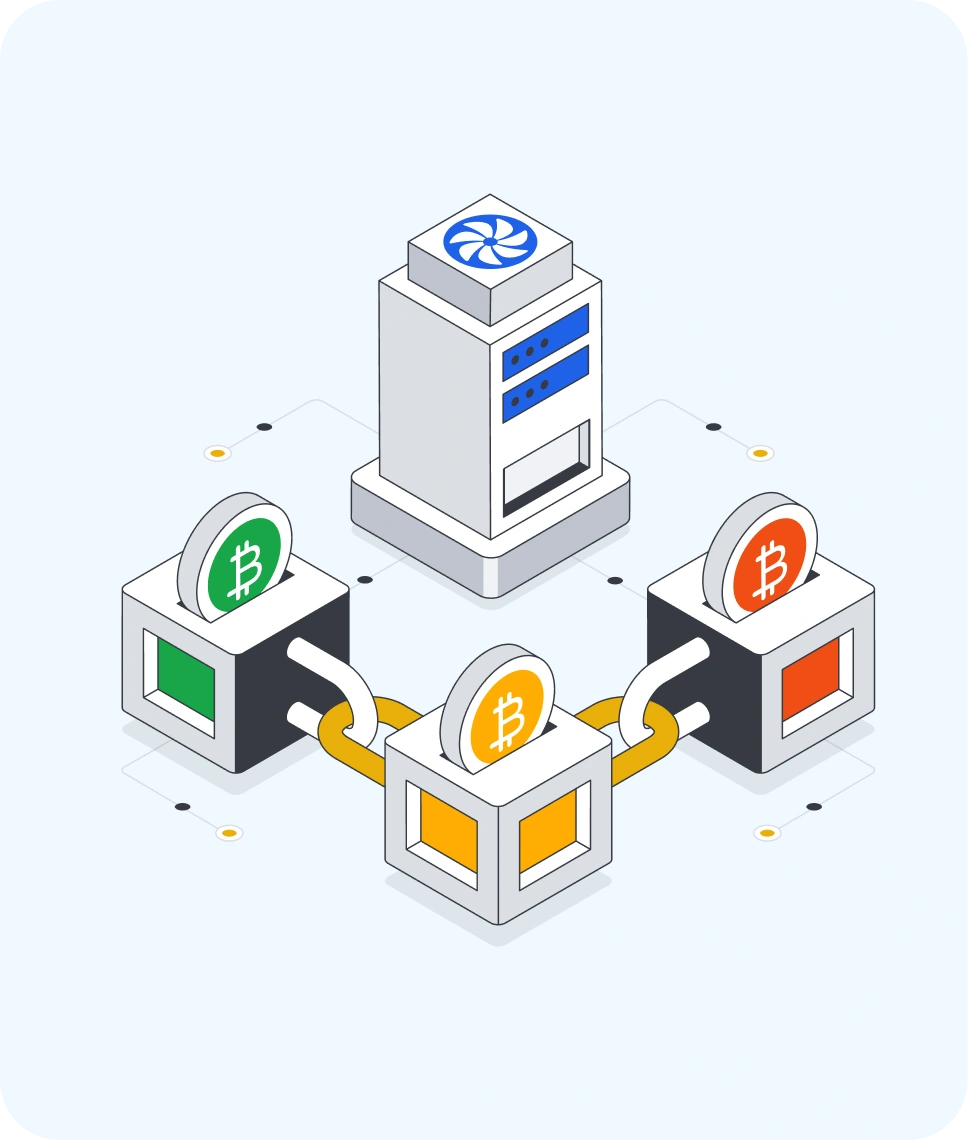
5. Blockchain
Blockchain technology enhances transparency, security, and trust in enterprise mobile applications. Its decentralized and immutable ledger system makes it ideal for industries that require secure data sharing and traceability.
Enterprise use cases include supply chain tracking, secure transactions, digital identity management, and compliance auditing. Blockchain reduces fraud risks, enhances data integrity, and ensures tamper-proof records, making it valuable for highly regulated sectors.
6. Big Data Analytics
Big Data analytics enables enterprises to process and analyze massive volumes of structured and unstructured data generated across digital touchpoints. Enterprise mobile apps equipped with big data capabilities provide actionable insights that drive smarter decision-making.
From customer behavior analysis to operational optimization, big data helps organizations identify patterns, improve efficiency, and uncover new opportunities. Real-time analytics dashboards allow leaders to monitor performance metrics and respond quickly to market changes.
By integrating these advanced technologies, enterprise mobile apps go beyond basic functionality and evolve into intelligent digital platforms. They enable automation, predictive insights, real-time connectivity, and enhanced user experiences across business ecosystems.
Organizations investing in technology-driven enterprise mobile app development can unlock new levels of innovation, operational efficiency, and long-term competitive advantage in an increasingly connected world.
Also Check: Difference between Enterprise Software Development and Regular Software Development
Future Trends in Enterprise Mobile App Development (2026 and Beyond)
As businesses accelerate their digital transformation journeys, enterprise mobile app development is evolving rapidly. The future of enterprise mobility will be shaped by intelligent automation, cloud-native ecosystems, and next-generation security frameworks. Organizations that align with these emerging trends will be better positioned to innovate, scale, and stay competitive in a fast-changing digital landscape.
Here are the key future trends shaping enterprise mobile apps in 2026 and beyond.
1. AI-Powered Enterprise Apps Will Become the Norm
Artificial Intelligence is set to become a core component of enterprise mobile apps rather than an optional enhancement. Future enterprise apps will use AI for intelligent automation, predictive analytics, and contextual decision-making.
AI-powered assistants will help employees automate repetitive workflows, generate insights instantly, and improve productivity. From smart customer support bots to predictive maintenance in manufacturing, AI will transform enterprise apps into intelligent digital co-workers that continuously learn and evolve.
2. Cloud-Native Development Will Drive Scalability
Cloud-native architectures will dominate enterprise mobile app development in the coming years. Businesses are increasingly shifting toward microservices, containerization, and serverless computing to build highly scalable and resilient applications.
Cloud-native enterprise apps will enable seamless updates, global scalability, and real-time collaboration across distributed teams. This shift will also accelerate innovation cycles, allowing organizations to roll out new features faster and respond quickly to market changes.
3. Rise of Cross-Platform and Low-Code Development
To reduce development costs and accelerate time-to-market, businesses will increasingly adopt cross-platform frameworks and low-code/no-code platforms. These technologies allow enterprises to build apps that run seamlessly across Android, iOS, and web platforms using a unified codebase.
Low-code tools will empower non-technical teams to contribute to app development, enabling faster prototyping and innovation. This democratization of development will help enterprises scale digital initiatives without heavily increasing engineering resources.
4. Advanced Security and Zero-Trust Architectures
As cyber threats grow more sophisticated, enterprise mobile apps will adopt advanced, proactive security models. Zero-trust architecture — where every user and device is continuously verified — will become a standard security framework.
Future enterprise apps will incorporate biometric authentication, AI-driven threat detection, encrypted communication layers, and secure access controls. Privacy-first design and compliance with global regulations will also play a bigger role in shaping enterprise mobility strategies.
5. 5G and Edge Computing Integration
The rollout of 5G networks will unlock faster data speeds and ultra-low latency, enabling real-time enterprise applications at scale. Combined with edge computing, enterprise apps will process data closer to the source, reducing latency and improving performance.
This will enable use cases like real-time IoT monitoring, immersive AR/VR training, remote diagnostics, and instant analytics, especially in industries like healthcare, logistics, and manufacturing.
6. Hyper-Personalized Enterprise Experiences
Future enterprise apps will prioritize personalization not only for customers but also for employees. AI-driven personalization engines will tailor dashboards, workflows, and notifications based on user roles and behavior.
This will lead to more intuitive user experiences, improved productivity, and higher adoption rates across organizations. Personalized enterprise interfaces will become a key differentiator in digital workplace strategies.
7. Sustainability-Driven App Development
Sustainability is emerging as a critical business priority, and enterprise apps will reflect this shift. Future mobile solutions will focus on energy-efficient architectures, optimized cloud usage, and reduced digital carbon footprints.
Enterprises will increasingly adopt green cloud providers and build apps that support sustainability tracking, ESG reporting, and resource optimization.
As we move further into 2026 and beyond, enterprise mobile apps will evolve into intelligent, secure, and highly adaptive digital ecosystems. Organizations that embrace these future trends early will unlock new opportunities for innovation, workforce empowerment, and sustainable growth in an increasingly mobile-first world.
Why Choose iTechnolabs for Enterprise Mobile App Development?
Choosing the right development partner is critical to the success of your enterprise mobility strategy. At iTechnolabs, we specialize in building secure, scalable, and future-ready enterprise mobile applications that align with your business goals and digital transformation roadmap.
With a strong focus on innovation and performance, we help organizations transform complex ideas into high-impact mobile solutions that drive measurable growth.
1. Enterprise-First Development Approach
We understand that enterprise apps require more than just clean code. Our team follows a business-centric approach that prioritizes scalability, security, and seamless system integration. From requirement analysis to deployment, every step is aligned with your operational needs.
2. Proven Experience Across Industries
iTechnolabs has extensive experience delivering enterprise-grade mobile solutions across industries, including healthcare, fintech, logistics, retail, and SaaS. Our domain expertise ensures that we build solutions tailored to real-world challenges and compliance requirements.
3. Scalable and Future-Ready Architecture
We design apps using cloud-native and microservices-based architectures that support long-term scalability. Whether you’re building for 1,000 users or scaling to millions, our solutions are engineered for performance and growth.
4. Advanced Technology Stack
Our developers leverage cutting-edge technologies such as AI, IoT, blockchain, and cloud computing to create intelligent enterprise ecosystems. This ensures your app stays competitive and adaptable to future tech advancements.
5. Security and Compliance at the Core
Enterprise security is non-negotiable. We implement robust security frameworks including encryption, secure APIs, role-based access controls, and compliance with standards like GDPR, HIPAA, and SOC 2.
6. Seamless Integrations
We specialize in integrating enterprise apps with existing ecosystems such as ERP, CRM, payment gateways, analytics tools, and cloud platforms. This ensures smooth data flow and operational continuity.
7. Agile Development and Transparent Communication
Our agile methodology ensures faster delivery, iterative improvements, and full transparency throughout the development lifecycle. You stay informed and in control at every stage of the project.
8. End-to-End Support
From ideation and design to deployment and post-launch maintenance, iTechnolabs provides complete lifecycle support. We ensure your enterprise app remains optimized, secure, and future-ready long after launch.
9. Ready to Build a Scalable Enterprise Mobile App?
Partner with iTechnolabs to turn your enterprise mobility vision into a powerful digital reality. Whether you’re modernizing legacy systems or building a next-gen enterprise solution, our team is ready to help you innovate, scale, and lead in the mobile-first era.
Conclusion
Enterprise mobility is no longer a future trend — it’s a present-day necessity for businesses aiming to stay competitive in a rapidly evolving digital landscape. From enhancing productivity and streamlining operations to enabling real-time decision-making and intelligent automation, enterprise mobile app development is redefining how modern organizations operate and grow.
As we move deeper into 2026 and beyond, enterprises that embrace mobile-first strategies will gain a significant edge in agility, scalability, and innovation. With advancements in AI, cloud-native architectures, and next-gen security frameworks, enterprise apps are evolving into powerful digital ecosystems that drive efficiency and long-term business value.
However, building a successful enterprise app requires more than just technology — it demands strategic planning, scalable architecture, and the right development partner. By investing in the right enterprise mobile app development approach, businesses can unlock new opportunities, empower their workforce, and deliver exceptional digital experiences.
If you’re looking to future-proof your organization and accelerate digital transformation, now is the time to invest in enterprise mobility. The right enterprise mobile solution can become the foundation of sustainable growth, innovation, and competitive leadership in the mobile-first era.
FAQs
1. What is enterprise mobile app development?
Enterprise mobile app development refers to building secure and scalable mobile applications tailored for organizations rather than individual users. These apps help streamline internal workflows, improve productivity, and enhance collaboration by connecting employees with enterprise systems like ERP, CRM, and cloud platforms in real time.
2. What are the key features of enterprise mobile apps?
Key features of enterprise mobile apps include advanced security protocols, cloud integration, offline functionality, real-time analytics, seamless API integrations, and scalable architecture. These features ensure enterprise apps can handle complex workflows, large user bases, and sensitive business data while maintaining high performance and reliability.
3. How long does it take to build an enterprise mobile app?
The timeline for developing an enterprise mobile app typically ranges from three to twelve months or more. It depends on factors like app complexity, integrations with enterprise systems, platform requirements, feature set, and customization level. Large-scale enterprise solutions with advanced security or AI features may take longer.
4. How much does enterprise mobile app development cost?
The cost of enterprise mobile app development varies based on features, integrations, technology stack, and development team location. On average, costs range between $30,000 and $250,000 or more. Highly customized enterprise apps with advanced technologies like AI or blockchain can exceed this range.
5. Are enterprise mobile apps secure?
Yes, enterprise mobile apps are designed with strong security measures such as end-to-end encryption, multi-factor authentication, secure APIs, and role-based access controls. Many apps also comply with regulations like GDPR, HIPAA, and SOC 2, ensuring safe handling of sensitive business and customer data.
6. Can enterprise apps integrate with existing business systems?
Yes, enterprise mobile apps are built to integrate seamlessly with existing business systems such as ERP, CRM, HR platforms, and analytics tools. Using secure APIs and middleware, these integrations enable smooth data exchange, workflow automation, and improved operational efficiency across the organization.
7. Which industries benefit the most from enterprise mobile apps?
Many industries benefit from enterprise mobile apps, including healthcare, fintech, retail, logistics, manufacturing, and education. These sectors rely heavily on real-time data access, automation, and mobility to improve operational efficiency, enhance customer experiences, and support large-scale digital transformation initiatives.
8. What is the difference between enterprise apps and regular mobile apps?
Enterprise apps are designed for organizational use, focusing on scalability, security, and deep integrations with business systems. Regular mobile apps, on the other hand, are built for general consumers and prioritize user engagement and simplicity rather than complex workflows or enterprise-grade security requirements.
9. Why should businesses invest in enterprise mobile app development in 2026?
In 2026, enterprise mobile apps are essential for supporting hybrid work, AI-driven automation, and mobile-first operations. Investing in enterprise mobility helps businesses improve efficiency, enable real-time decision-making, enhance customer experiences, and remain competitive in a rapidly evolving digital landscape.