The healthcare industry is experiencing a massive digital shift, with mobile apps redefining how patients access care and how providers deliver services. From telemedicine and remote patient monitoring to AI-powered diagnostics, healthcare apps are making medical support more accessible, efficient, and personalized than ever before. These solutions are not only improving patient outcomes but also streamlining clinical workflows and reducing operational costs across the healthcare ecosystem.
The growth of digital health is backed by strong numbers. The global healthcare app market is expected to surpass $300+ billion by 2030, driven by rising smartphone adoption, demand for virtual care, and advancements in AI and IoT. Additionally, studies show that over 60% of patients now prefer digital healthcare options, including online consultations and mobile health tracking.
As demand for secure and scalable health solutions continues to rise, startups, hospitals, and enterprises are heavily investing in healthcare app development. This guide covers everything you need to know — including app types, key features, development process, cost factors, challenges, and future trends shaping the digital healthcare landscape.
TL;DR
- Healthcare apps are transforming digital patient care worldwide
- Telemedicine and AI are driving healthcare innovation
- Secure data and compliance are critical requirements
- Development costs vary by features and complexity
- Future healthcare apps focus on personalization and automation
Key Points
- Healthcare apps are enabling faster access to medical services, improving patient engagement, and transforming traditional care delivery into digital-first experiences.
- Rapid adoption of telemedicine, AI diagnostics, and wearable integrations is accelerating innovation and reshaping the global digital healthcare landscape.
- Strong security measures and regulatory compliance are essential due to sensitive patient data and strict healthcare privacy laws.
- Development costs depend on app complexity, required integrations, platform choice, and advanced technologies like AI, IoT, or blockchain.
- The future of healthcare apps will focus on predictive analytics, personalized treatments, and remote monitoring powered by intelligent digital ecosystems.
Table of Contents
- What Is Healthcare App Development?
- Types of Healthcare Apps
- Key Benefits of Healthcare App Development
- Must-Have Features in a Healthcare App
- Step-by-Step Healthcare App Development Process
- Key Challenges in Healthcare App Development
- Cost of Healthcare App Development
- Best Practices for Building a Healthcare App
- Future Trends in Healthcare App Development
- Why Choose iTechnolabs for Healthcare App Development
- Conclusion
- FAQ
What Is Healthcare App Development?
Healthcare app development is the process of designing, building, and deploying mobile or web-based applications that support medical services, patient care, and healthcare operations. These applications aim to digitize traditional healthcare workflows, making medical services more accessible, efficient, and data-driven. Healthcare apps can be built for various stakeholders, including patients, doctors, hospitals, clinics, diagnostic labs, and insurance providers, enabling seamless communication and real-time information exchange.
At its core, healthcare app development focuses on improving patient outcomes while simplifying healthcare delivery. For patients, these apps provide features like online consultations, medication reminders, health tracking, and instant access to medical records. For healthcare professionals, they streamline appointment management, electronic health records (EHR), remote patient monitoring, and clinical decision support systems. Meanwhile, hospitals and healthcare organizations use apps to optimize operations, manage staff workflows, and ensure better coordination across departments.
Modern healthcare applications are powered by advanced technologies such as artificial intelligence (AI), Internet of Things (IoT), cloud computing, and big data analytics. AI enables predictive diagnostics and virtual assistants, while IoT connects wearable devices for continuous health monitoring. Cloud infrastructure ensures secure data storage and scalability, and analytics tools help providers make informed, data-backed decisions.
Additionally, healthcare app development requires strict adherence to security and compliance standards due to the sensitive nature of medical data. Regulations like HIPAA, GDPR, and regional healthcare laws mandate robust encryption, secure authentication, and privacy-first architecture. As digital health adoption continues to grow, healthcare app development is becoming a cornerstone of modern healthcare innovation, enabling smarter, faster, and more personalized care experiences.
Types of Healthcare Apps
Healthcare apps can be categorized based on their target users and the problems they solve. Each type serves a unique role in the digital healthcare ecosystem, helping patients, providers, hospitals, and insurers improve care delivery and operational efficiency. Below are the major categories of healthcare applications.
1. Patient-Focused Apps
Patient-centric apps are designed to empower individuals to take control of their health and wellness. These apps provide tools that help users monitor their health, access medical support, and manage treatments conveniently from their smartphones. Common features include fitness tracking, medication reminders, symptom checkers, diet planning, and teleconsultations.
Many patient-focused apps also allow users to access their medical records, book appointments, and receive real-time health insights through wearable integrations. These solutions promote preventive care and encourage users to stay proactive about their health, ultimately improving long-term outcomes and reducing hospital visits.
2. Doctor-Focused Apps
Doctor-focused apps are built specifically for healthcare professionals to simplify clinical workflows and enhance patient care. These applications help physicians manage patient records, review lab reports, prescribe medications digitally, and conduct virtual consultations.
Advanced doctor apps often include clinical decision support tools powered by AI, enabling faster and more accurate diagnoses. They also streamline appointment scheduling, patient communication, and collaboration with other specialists. By reducing administrative burdens, these apps allow doctors to focus more on delivering quality care rather than handling manual paperwork.
3. Hospital Management Apps
Hospital management apps are enterprise-level solutions designed to digitize and optimize healthcare facility operations. These apps help hospitals manage complex processes such as patient admissions, discharge workflows, staff scheduling, billing, inventory tracking, and electronic health record (EHR) management.
They also enable better coordination between departments, improving resource utilization and reducing operational inefficiencies. With centralized dashboards and analytics, hospital administrators can make data-driven decisions, enhance patient experiences, and ensure smooth day-to-day functioning of healthcare institutions.
4. Health Insurance Apps
Health insurance apps focus on simplifying policy management and improving transparency between insurers and policyholders. These apps allow users to view policy details, track coverage benefits, submit claims digitally, and monitor approval statuses in real time.
Many insurance apps also offer features like premium payment reminders, hospital network locators, and instant claim assistance. By digitizing insurance processes, these apps reduce paperwork, accelerate claim processing, and enhance user trust through clear and accessible information.
Key Benefits of Healthcare App Development
Investing in healthcare app development offers significant advantages for both patients and healthcare providers. By digitizing traditional medical workflows and enabling real-time connectivity, healthcare apps enhance care delivery, improve efficiency, and support better health outcomes across the ecosystem.
1. Improved Patient Engagement
Healthcare apps empower patients to stay actively involved in their health journey. Features like push notifications, medication reminders, personalized health insights, and virtual consultations encourage consistent interaction between patients and providers.
By offering easy access to medical information and continuous communication, these apps build stronger patient-provider relationships and improve treatment adherence, ultimately leading to better long-term health outcomes.
2. Better Accessibility
One of the biggest advantages of healthcare apps is improved accessibility to medical services. Telemedicine features allow patients to consult doctors remotely, eliminating geographical barriers and reducing the need for physical visits.
This is especially beneficial for people living in rural or underserved areas where healthcare infrastructure is limited. Remote monitoring tools and wearable integrations also enable continuous care for chronic conditions without frequent hospital visits.
3. Enhanced Operational Efficiency
Healthcare apps automate time-consuming administrative tasks such as appointment scheduling, patient registration, billing, and documentation. This reduces manual workloads for healthcare staff and minimizes the risk of human errors.
Streamlined workflows allow hospitals and clinics to operate more efficiently, optimize resource utilization, and reduce operational costs. As a result, healthcare providers can focus more on delivering quality care rather than managing paperwork.
4. Data-Driven Decision Making
Modern healthcare apps leverage data analytics and artificial intelligence to generate actionable insights from patient data. These insights help doctors make faster, more accurate diagnoses and develop personalized treatment plans.
Predictive analytics can also identify potential health risks early, enabling preventive care and reducing hospital readmissions. By transforming raw data into meaningful intelligence, healthcare apps support smarter clinical and operational decisions.
Must-Have Features in a Healthcare App
To succeed in the competitive digital health market, a healthcare app must balance user-friendly design with powerful functionality. The right feature set ensures seamless experiences for patients, doctors, and healthcare administrators while maintaining strict data security and compliance standards. Below are the essential features every healthcare app should include.
1. User Registration and Profiles
A secure and intuitive onboarding system is the foundation of any healthcare app. Users should be able to register easily while maintaining strong identity verification through multi-factor authentication or biometric login.
Role-based access is equally important, allowing different interfaces and permissions for patients, doctors, and administrators. Personalized user profiles can store medical history, preferences, and activity logs, enabling tailored healthcare experiences.
2. Appointment Scheduling
Smart appointment scheduling simplifies the process of booking and managing consultations. Features like real-time availability, calendar syncing, automated confirmations, and reminders help reduce missed appointments and administrative workload.
Advanced systems may include queue management, rescheduling options, and integration with hospital management software for a seamless booking experience.
3. Telemedicine Integration
Telemedicine has become a core feature of modern healthcare apps. Built-in video consultations, voice calls, and secure chat functionality allow patients to receive medical advice remotely.
High-quality telehealth features may also include file sharing, digital prescriptions, and session recording for future reference. This functionality enhances convenience while expanding access to healthcare services.
4. EHR/EMR Integration
Integration with electronic health records (EHR) or electronic medical records (EMR) ensures continuity of care and centralized data access. This feature allows doctors to view patient history, lab results, and prescriptions in real time.
Seamless interoperability with healthcare systems reduces manual data entry, minimizes errors, and improves coordination among medical professionals.
5. Payment Integration
Secure and flexible payment options are essential for a smooth user experience. Healthcare apps should support multiple payment methods, including credit cards, digital wallets, insurance claims, and subscription models.
Built-in billing systems with automated invoices and transparent pricing improve trust and simplify financial transactions for both patients and providers.
6. Notifications and Alerts
Timely notifications help users stay informed and engaged. Push alerts can remind patients about upcoming appointments, medication schedules, health checkups, and test results.
Smart notifications powered by AI can also provide personalized health tips and alerts based on user behavior or health data.
7. Data Security and Compliance
Security is non-negotiable in healthcare app development due to the sensitivity of medical data. Apps must implement end-to-end encryption, secure APIs, and strict access controls to protect patient information.
Additionally, compliance with regulations such as HIPAA, GDPR, and regional healthcare laws is essential to avoid legal risks and ensure user trust. Regular security audits and data protection protocols should be part of the app’s architecture.
Step-by-Step Healthcare App Development Process
Developing a healthcare app requires a structured, compliance-driven approach to ensure safety, scalability, and reliability. From validating the idea to post-launch maintenance, every phase plays a crucial role in building a successful digital health solution. Below is a step-by-step breakdown of the healthcare app development lifecycle.
1. Market Research and Validation
The development journey begins with thorough market research to understand user needs, industry trends, and competitive offerings. This stage involves identifying target users, analyzing gaps in existing healthcare solutions, and validating your app idea through surveys or stakeholder feedback.
A strong validation phase ensures that the app solves real-world problems and has clear market demand, reducing the risk of failure after launch.
2. Define Features and Requirements
Once the idea is validated, the next step is defining the app’s core functionality and technical requirements. This includes identifying the target audience, listing essential features, and outlining compliance standards such as HIPAA or regional healthcare regulations.
Creating detailed documentation like product requirement documents (PRDs) and user stories helps align stakeholders and ensures smooth development execution.
3. UI/UX Design
Healthcare apps must prioritize usability and accessibility. A well-designed UI/UX ensures that users of all age groups and technical backgrounds can navigate the app easily.
Designers create wireframes, prototypes, and interactive mockups to visualize the user journey. Special focus is placed on accessibility standards, readability, and intuitive navigation to enhance user satisfaction.
4. Choose the Right Tech Stack
Selecting the appropriate technology stack is critical for long-term scalability and performance. Developers must choose between native or cross-platform development, secure backend frameworks, and cloud infrastructure for data storage.
The tech stack should support interoperability with third-party systems such as EHR platforms, payment gateways, wearable devices, and analytics tools.
5. Development Phase
This is where the actual coding begins. Developers build the frontend interface, backend architecture, APIs, and third-party integrations simultaneously.
Healthcare apps often require secure data handling, real-time communication features, and scalable infrastructure. Agile development methodologies are commonly used to ensure flexibility and continuous improvements during this phase.
6. Testing and Quality Assurance
Rigorous testing is essential to ensure reliability and compliance. QA teams conduct functional testing, usability testing, performance testing, and security audits.
Since healthcare apps handle sensitive data, compliance testing for regulations like HIPAA, GDPR, or regional laws is also critical. This step helps eliminate bugs and ensures a safe user experience.
7. Deployment and Launch
After successful testing, the app is deployed to production environments and launched on platforms like the Apple App Store or Google Play Store.
This phase also includes server setup, performance monitoring, and obtaining regulatory approvals if required. A strategic launch plan, including marketing and onboarding, helps maximize adoption.
8. Maintenance and Updates
Healthcare app development doesn’t end at launch. Continuous monitoring, bug fixes, security updates, and feature enhancements are necessary for long-term success.
Regular updates ensure compatibility with new devices, evolving regulations, and changing user expectations. Ongoing maintenance also helps improve app performance and user retention over time.
Key Challenges in Healthcare App Development
While healthcare apps offer immense benefits, developing them comes with unique challenges that go beyond typical mobile app development. The need for strict regulatory compliance, high-level security, and complex integrations makes healthcare software development particularly demanding. Below are the major challenges businesses face when building healthcare applications.
1. Regulatory Compliance
Healthcare is one of the most regulated industries in the world. Developers must ensure that apps comply with strict healthcare standards such as HIPAA, GDPR, HL7, and regional medical regulations.
Meeting these requirements involves implementing secure data storage, audit trails, consent management, and strict access controls. Compliance processes can be time-consuming and may vary depending on the app’s geographic deployment, making legal consultation and compliance planning essential.
2. Data Privacy and Security
Healthcare apps handle highly sensitive personal and medical data, making them prime targets for cyberattacks. A single data breach can lead to severe legal consequences and loss of user trust.
To mitigate risks, developers must implement end-to-end encryption, secure APIs, multi-factor authentication, and regular security audits. Building a security-first architecture increases development complexity but is essential for long-term credibility.
3. Integration with Legacy Systems
Many hospitals and healthcare institutions still rely on outdated legacy systems that were not designed for modern digital integrations. Connecting new healthcare apps with these systems can be technically complex and resource-intensive.
Developers often need to build custom APIs and middleware to ensure smooth interoperability with electronic health records (EHR), hospital databases, and third-party medical devices.
4. High Development Costs
Healthcare app development is generally more expensive than building standard mobile apps due to compliance requirements, advanced security layers, and specialized integrations.
Costs can further increase with features like AI-powered diagnostics, real-time monitoring, wearable integrations, and cloud infrastructure. Additionally, ongoing maintenance and regulatory updates contribute to the total cost of ownership.
Cost of Healthcare App Development
Healthcare app development costs vary based on complexity, features, integrations, and compliance requirements. Below is a general cost breakdown based on app type.
| App Complexity | Estimated Cost | Description |
| Basic Healthcare App | $40,000 – $100,000 | Simple apps with basic features like appointment booking, user profiles, and reminders. |
| Medium Complexity App | $100,000 – $200,000 | Includes telemedicine, EHR integration, payment systems, and enhanced UI/UX. |
| Advanced Healthcare App | $200,000 – $400,000+ | AI-powered apps with IoT integration, remote monitoring, analytics, and enterprise-grade security. |
Additional Factors Affecting Cost
| Factor | Impact on Cost |
| Platform Choice | Native apps cost more than cross-platform development. |
| Compliance Requirements | HIPAA, GDPR, and regional laws increase development effort. |
| Third-Party Integrations | EHR, payment gateways, wearables, and APIs add complexity. |
| UI/UX Design | Advanced design and accessibility features increase cost. |
| Security Infrastructure | Encryption, audits, and secure cloud hosting raise budget. |
| Maintenance & Updates | Ongoing support adds 15–25% yearly cost. |
Best Practices for Building a Healthcare App
Building a successful healthcare app requires more than just strong technical execution. It demands a careful balance of usability, compliance, security, and scalability. Following proven industry best practices ensures your healthcare application delivers reliable performance while maintaining user trust and regulatory alignment.
1. Prioritize User-Friendly Design
Healthcare apps serve diverse audiences, including elderly patients and non-technical users. A clean, intuitive interface with simple navigation ensures better usability and accessibility.
Focus on clear layouts, readable fonts, and minimal steps for critical actions like booking appointments or accessing medical records. User-centric design improves engagement, reduces churn, and enhances overall patient satisfaction.
2. Ensure Strict Regulatory Compliance
Compliance is non-negotiable in healthcare app development. Adhering to standards like HIPAA, GDPR, and regional healthcare regulations helps protect patient data and avoid legal complications.
From data storage policies to consent management and audit logs, every component must align with applicable healthcare laws. Consulting legal and compliance experts early can prevent costly revisions later.
3. Implement Robust Data Security Measures
Security should be embedded into every layer of the application. Use end-to-end encryption, secure APIs, role-based access control, and multi-factor authentication to safeguard sensitive health data.
Regular vulnerability testing, security audits, and compliance checks are essential to maintain data integrity and build long-term user trust.
4. Build Scalable Architecture
Healthcare apps must be designed for growth. As user bases expand and data volumes increase, scalable architecture ensures consistent performance without downtime.
Leveraging cloud infrastructure, microservices architecture, and modular development allows apps to handle increasing workloads while enabling seamless feature expansion.
5. Focus on Interoperability and Integrations
Healthcare ecosystems rely on multiple interconnected systems. Ensuring interoperability with EHR platforms, wearable devices, insurance systems, and third-party APIs enhances the app’s functionality and value.
Standards like HL7 and FHIR can help achieve smooth data exchange across platforms, enabling a unified healthcare experience.
6. Plan for Long-Term Maintenance and Updates
Healthcare apps require continuous updates to stay relevant and compliant. Regular maintenance ensures compatibility with new operating systems, evolving regulations, and changing user expectations.
Ongoing monitoring, bug fixes, performance optimization, and feature enhancements are essential for sustained success and user retention.
Future Trends in Healthcare App Development
The healthcare industry is evolving rapidly, driven by technological innovation and rising demand for digital-first medical solutions. As healthcare apps become more intelligent and patient-centric, several emerging trends are shaping the future of digital health.
1. AI-Powered Diagnostics and Automation
Artificial intelligence is revolutionizing healthcare by enabling faster and more accurate diagnoses. AI-driven chatbots, predictive analytics, and clinical decision support tools help doctors detect diseases early and automate repetitive workflows, improving efficiency and outcomes.
2. Wearables and Remote Patient Monitoring
Integration with wearable devices like smartwatches and fitness trackers is enabling continuous health monitoring. These apps collect real-time data such as heart rate, sleep patterns, and activity levels, allowing proactive care and early intervention for chronic conditions.
3. Telehealth Expansion
Telemedicine is becoming a standard part of healthcare delivery. With improved video infrastructure and regulatory support, virtual consultations, remote therapy sessions, and online prescriptions will continue to grow globally.
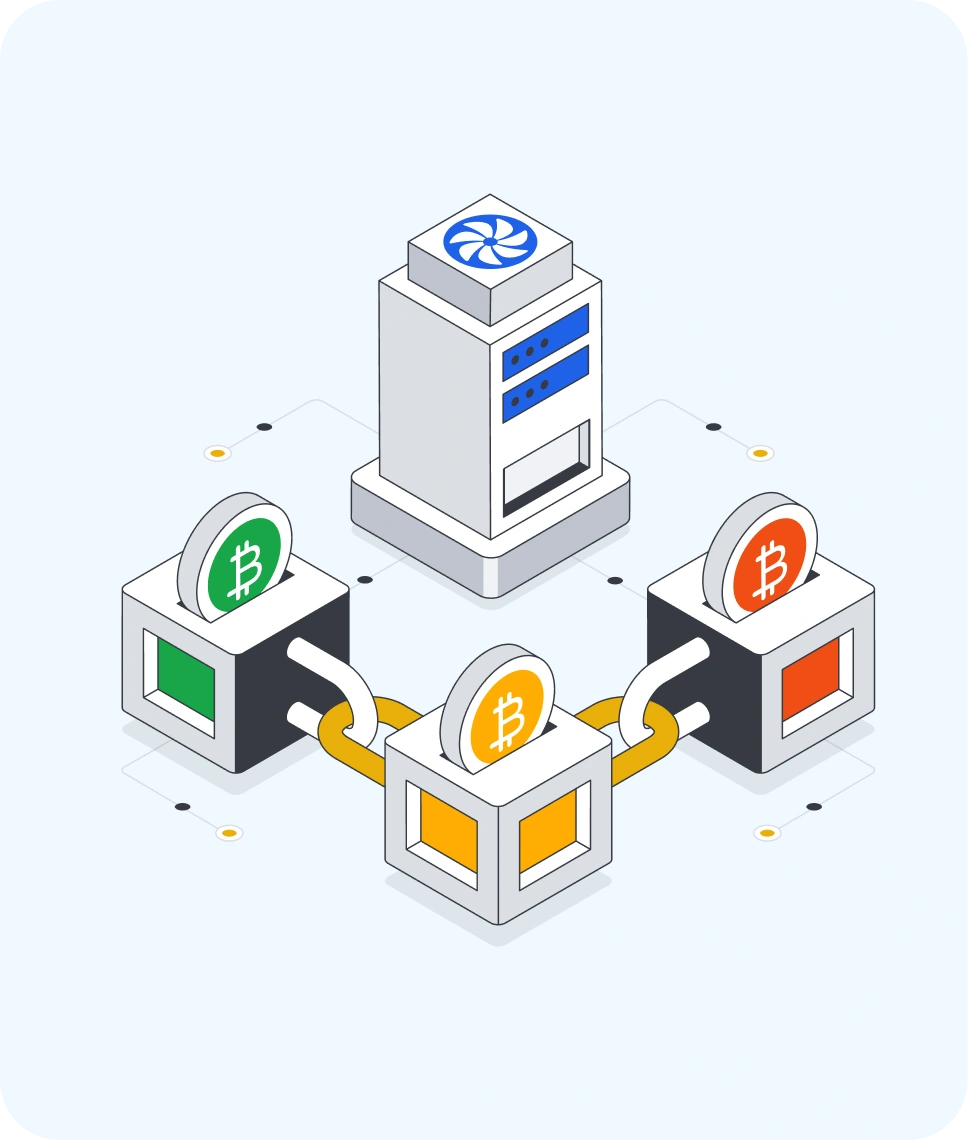
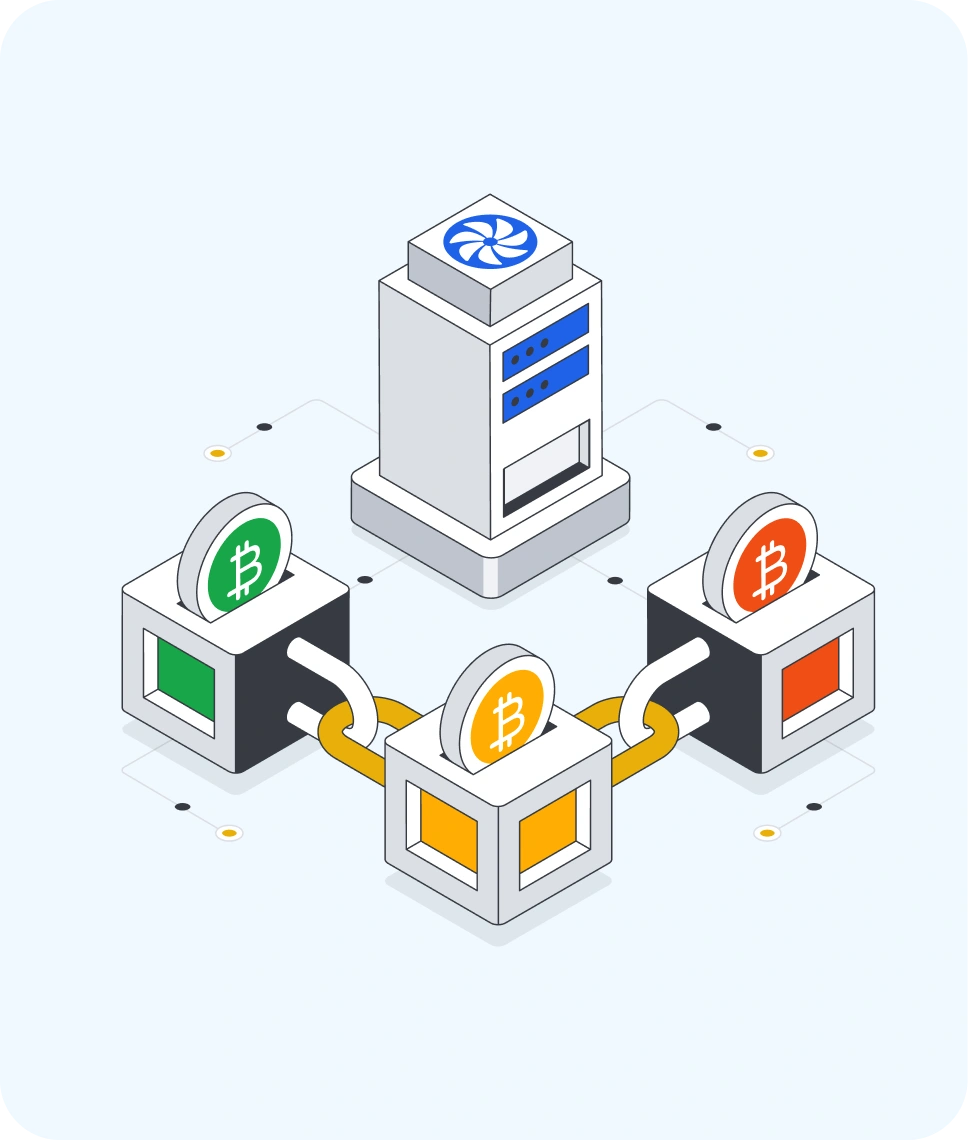
4. Blockchain for Healthcare Security
Blockchain technology is emerging as a powerful solution for secure and transparent medical data management. It ensures tamper-proof patient records, improves data sharing across providers, and enhances trust in digital healthcare ecosystems.
5. IoT-Driven Smart Healthcare
The Internet of Things (IoT) is enabling connected healthcare environments through smart medical devices. From remote ICU monitoring to connected glucose meters, IoT-powered apps are making healthcare more proactive and real-time.
6. Personalized and Preventive Healthcare
Future healthcare apps will focus more on personalization using AI and data analytics. Tailored treatment plans, predictive risk analysis, and preventive health recommendations will shift the focus from reactive care to proactive wellness.
Why Choose iTechnolabs for Healthcare App Development
Choosing the right development partner is crucial for building a secure, scalable, and compliant healthcare application. iTechnolabs stands out as a trusted healthcare app development company with proven expertise in delivering innovative digital health solutions.
1. Deep Healthcare Domain Expertise
iTechnolabs has extensive experience in building healthcare apps across telemedicine, remote monitoring, fitness, and hospital management domains. Their industry knowledge ensures solutions aligned with real-world medical needs.
2. Compliance-First Development Approach
The team follows strict regulatory standards such as HIPAA, GDPR, and regional compliance requirements. This ensures that your healthcare app meets all legal and data privacy standards from day one.
3. Advanced Technology Stack
iTechnolabs leverages cutting-edge technologies,, including AI, IoT, cloud computing, and blockchain, to build future-ready healthcare applications. Their scalable architecture supports long-term growth and innovation.
4. End-to-End Development Services
From ideation and UI/UX design to development, testing, deployment, and post-launch support, iTechnolabs offers complete healthcare app development services under one roof.
5. Strong Focus on Security
Security is a top priority at iTechnolabs. The company implements enterprise-grade encryption, secure APIs, and regular security audits to protect sensitive healthcare data.
6. Proven Track Record and Client Satisfaction
With a portfolio of successful healthcare projects and satisfied global clients, iTechnolabs has built a reputation for delivering reliable, high-quality digital solutions tailored to business needs.
Conclusion
Healthcare app development is redefining how medical services are delivered, accessed, and experienced in the digital era. From improving patient engagement and enabling remote consultations to supporting data-driven clinical decisions, healthcare apps are transforming the entire healthcare ecosystem. These digital solutions are not only enhancing care accessibility but also improving operational efficiency for providers and organizations.
By combining advanced technologies like AI, IoT, and cloud computing with strong regulatory compliance and user-centric design, businesses can create impactful healthcare applications that deliver real value. As the demand for digital health continues to rise, investing in healthcare app development today can help organizations stay competitive, future-ready, and aligned with evolving patient expectations.
FAQ
1. How long does it take to develop a healthcare app?
The development timeline depends on app complexity and features. A basic healthcare app usually takes around 3–6 months, while medium-complexity apps may take 6–9 months. Advanced solutions with AI, telemedicine, or third-party integrations can take 9–12 months or longer to build and launch successfully.
2. How much does healthcare app development cost?
Healthcare app development typically costs between $40,000 and $400,000+, depending on features, integrations, and compliance requirements. Basic apps cost less, while advanced apps with AI, IoT, and enterprise-grade security require higher investment. Ongoing maintenance and updates also contribute to the total development cost.
3. What technologies are used in healthcare app development?
Healthcare apps use modern technologies such as artificial intelligence, IoT, cloud computing, blockchain, and big data analytics. Developers also implement secure APIs, EHR integrations, and scalable cloud infrastructure. These technologies enable smarter diagnostics, real-time monitoring, better data management, and enhanced user experiences across digital healthcare platforms.
4. How do healthcare apps ensure data security and compliance?
Healthcare apps ensure data security through encryption, secure APIs, role-based access controls, and multi-factor authentication. Compliance with regulations like HIPAA and GDPR is essential. Developers also conduct regular security audits, implement secure cloud storage, and follow strict privacy protocols to safeguard sensitive patient information.
5. What are the key features of a successful healthcare app?
Successful healthcare apps include essential features like user registration, appointment scheduling, telemedicine integration, EHR access, secure payments, and notifications. Advanced apps may include AI-driven insights, wearable integrations, and remote monitoring. A balance of usability, security, and scalability ensures long-term success and better user engagement.
6. Can healthcare apps integrate with wearable devices?
Yes, modern healthcare apps can integrate seamlessly with wearable devices like smartwatches and fitness trackers. These integrations enable real-time health monitoring, including heart rate, sleep, and activity tracking. Wearable connectivity helps users and doctors detect health issues early and support preventive and personalized care.
7. Is healthcare app development suitable for startups?
Yes, healthcare app development is ideal for startups targeting niche markets like telemedicine, mental health, or remote monitoring. Building a minimum viable product helps validate ideas and reduce costs. With the growing demand for digital healthcare solutions, startups can scale quickly with innovative, user-focused apps.
8. How do I choose the right healthcare app development company?
Choose a healthcare app development company with proven domain expertise, strong security practices, and compliance knowledge. Review their portfolio, client testimonials, and technology stack. A reliable partner should offer end-to-end services, scalable solutions, and ongoing support to ensure long-term app success and performance.