The healthcare industry is undergoing a massive digital transformation, and medicine delivery app development has emerged as one of the most impactful innovations in modern healthcare. With the rise of on-demand services, consumers now expect medicines to be delivered as easily as groceries or food, driving a major shift toward digital pharmacies.
The numbers clearly reflect this growing demand. The global online pharmacy market was valued at over $112 billion in 2025 and is projected to grow exponentially, potentially surpassing $464 billion by 2033, fueled by rapid adoption of digital healthcare solutions.
Similarly, the ePharmacy market alone is expected to grow at a 16%+ CAGR through 2035, highlighting strong long-term growth potential.
In India, the opportunity is even more promising. The online pharmacy market is projected to grow from around $3.7 billion in 2025 to over $14 billion by 2034, driven by increasing smartphone penetration, telemedicine adoption, and demand for convenient healthcare access.
With growing demand for on-demand healthcare and doorstep delivery, pharmacies, startups, and healthcare enterprises are investing heavily in scalable digital pharmacy platforms. This guide covers everything you need to know about building a medicine delivery app in 2026 — from market trends and features to development costs and challenges.
TL;DR
- Medicine delivery apps are transforming digital healthcare access.
- Rising demand driven by convenience and telehealth growth.
- Development cost ranges from $40K to $300K+.
- Compliance and logistics are key challenges.
- Strong growth potential in global and Indian markets.
Key Points
- Medicine delivery app development is reshaping healthcare by enabling faster, more accessible, and convenient access to essential medicines globally.
- Rapid market growth is driven by telehealth adoption, digital transformation, and rising demand for contactless healthcare services worldwide.
- Building a successful app requires strong backend infrastructure, secure data handling, and seamless pharmacy logistics integration.
- Development costs depend on complexity, features, region, and compliance requirements, making strategic planning essential for businesses.
- Emerging technologies like AI, automation, and predictive analytics will define the future of digital pharmacy platforms.
Table of Contents
- Medicine Delivery App Market Overview
- How to Build a Medicine Delivery App (Step-by-Step)
- Cost of Medicine Delivery App Development in 2026
- Factors Affecting Medicine Delivery App Development Cost
- Why Invest in Medicine Delivery App Development?
- Key Challenges in Medicine Delivery App Development
- How Medicine Delivery Apps Work
- Best Practices for Medicine Delivery App Development
- Future Trends in Medicine Delivery Apps
- Why Choose iTechnolabs for Medicine Delivery App Development?
- Conclusion
- FAQs
Medicine Delivery App Market Overview
The online pharmacy industry is witnessing unprecedented growth, fueled by rapid digital transformation in the healthcare sector. As consumers increasingly prefer digital-first healthcare experiences, the demand for medicine delivery app development has surged globally. What once started as a convenience-focused service has now evolved into a critical healthcare infrastructure component, especially after the pandemic accelerated telehealth adoption and contactless services.
Globally, the online pharmacy market is expanding at a strong CAGR, driven by growing internet penetration, increased smartphone usage, and changing consumer behavior. Patients today expect seamless, on-demand access to medicines without visiting physical pharmacies. This shift has opened massive opportunities for startups, pharmacy chains, and healthcare enterprises to build scalable digital pharmacy platforms and tap into recurring revenue models.
Another key factor fueling growth is the integration of telemedicine with online pharmacies. Many digital health ecosystems now combine doctor consultations, e-prescriptions, and doorstep medicine delivery within a single platform. This interconnected approach not only improves accessibility but also enhances patient adherence to treatments and reduces delays in medication access.
Key Growth Drivers
- Rising Demand for Contactless Healthcare: Consumers increasingly prefer doorstep medicine delivery to avoid crowded clinics and pharmacies. The shift toward contactless services has permanently changed healthcare consumption patterns.
- Growth of Telemedicine Platforms: The widespread adoption of telehealth solutions has directly boosted online pharmacy usage. Patients receiving digital prescriptions often prefer in-app medicine ordering, creating a seamless healthcare journey.
- Increased Investment in HealthTech: Venture capital and enterprise investments in digital healthcare are accelerating innovation in pharmacy delivery platforms. Startups and healthcare providers are actively building scalable and AI-driven solutions to capture this expanding market.
- AI-Powered Healthcare Automation: Artificial intelligence is transforming digital pharmacies through smart prescription scanning, personalized medicine recommendations, demand forecasting, and automated inventory management. These innovations improve efficiency while enhancing patient safety.
Beyond these drivers, favorable regulatory shifts in many regions and rising chronic disease prevalence are also contributing to market expansion. Emerging economies, particularly India, Southeast Asia, and the Middle East, are witnessing accelerated adoption due to improving digital infrastructure and growing awareness of digital healthcare services.
With strong market momentum, recurring demand, and continuous technological advancements, medicine delivery app development is emerging as a highly profitable and future-ready investment in 2026. Businesses entering this space today can position themselves at the forefront of the rapidly evolving digital healthcare ecosystem.
How to Build a Medicine Delivery App (Step-by-Step)
Developing a scalable medicine delivery platform requires strategic planning, the right technology stack, and strict compliance with healthcare regulations. Unlike regular eCommerce apps, pharmacy platforms must prioritize patient safety, data security, and real-time logistics. A structured development roadmap ensures better user experience, regulatory readiness, and long-term scalability.
1. Market Research & Goal Definition
Every successful medicine delivery app development journey begins with in-depth market research. Understanding user needs and industry gaps helps define a strong product vision and competitive positioning.
Start by identifying your target audience — whether individual customers, elderly patients, chronic care users, or healthcare providers. Analyze common pain points such as delayed medicine delivery, prescription verification issues, lack of medicine availability, or high pharmacy costs.
Additionally, study competitors and identify differentiation opportunities. For example, you can focus on ultra-fast delivery, AI-powered medicine recommendations, or integrated telemedicine.
Define clear business goals such as:
- Improving patient convenience
- Increasing pharmacy reach
- Automating operations
- Enabling recurring revenue through subscriptions
A well-defined strategy ensures your app aligns with both user needs and business growth objectives.
2. Define Key Features
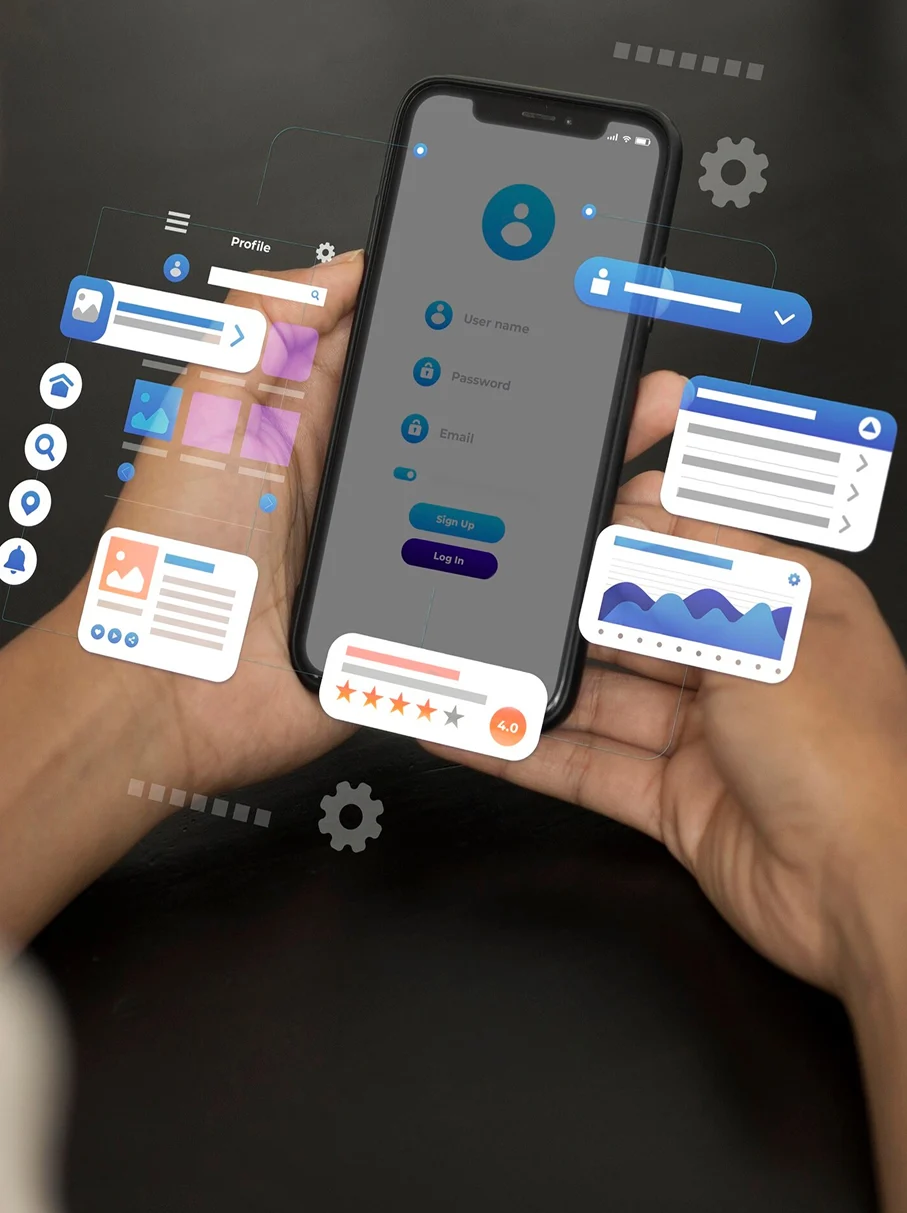
Feature planning is the backbone of successful medicine delivery apps. Since multiple stakeholders are involved, your app must cater to customers, pharmacists, delivery agents, and administrators.
Core Customer Features:
- Prescription upload and verification
- Smart medicine search and filters
- Real-time order tracking
- Secure online payments
- Medicine reminders and refill alerts
Pharmacy Panel Features:
- Inventory management dashboard
- Order processing and tracking
- Pricing and discount control
- Prescription validation tools
Admin Panel Features:
- User and vendor management
- Analytics and reporting
- Commission tracking
- Compliance monitoring
Carefully selecting features ensures a balance between usability, scalability, and operational efficiency.
3. Choose the Right Tech Stack
Selecting the right technology stack is crucial for building a secure and scalable digital pharmacy platform. Your technology decisions directly impact app performance, scalability, and maintenance costs.
Frontend Technologies:
- React Native or Flutter for cross-platform apps
- Swift for iOS and Kotlin for Android (native development)
Backend Technologies:
- Node.js, Django, or Spring Boot
- Cloud platforms like AWS, Google Cloud, or Azure
Essential Integrations:
- Payment gateway APIs (Stripe, Razorpay, PayPal)
- GPS tracking for delivery optimization
- AI APIs for prescription scanning
- Cloud databases for real-time syncing
A scalable cloud-based architecture ensures your app can handle increasing users and transactions without performance issues.
4. Design User-Friendly UI/UX
User experience plays a critical role in the success of healthcare apps. Since medicine delivery platforms are used by people of all age groups, including elderly users, simplicity and accessibility are essential.
Focus on clean layouts, minimal navigation steps, and readable typography. Ensure users can search medicines, upload prescriptions, and place orders with minimal effort.
Best UI/UX practices include:
- One-click reorder options
- Voice-assisted search
- Accessibility-friendly design
- Minimal checkout steps
- Real-time delivery visibility
A well-designed interface not only improves user satisfaction but also boosts retention and lifetime value.
5. Ensure Regulatory Compliance
Compliance is one of the most critical aspects of medicine delivery app development. Healthcare apps must adhere to strict data privacy, pharmaceutical, and cybersecurity regulations to ensure patient safety and legal compliance.
Key compliance requirements include:
- HIPAA (USA) for health data protection
- GDPR (Europe) for user privacy
- Local drug authority guidelines
- Secure prescription handling
- Encrypted medical data storage
Additionally, implementing features like verified pharmacist approvals, prescription audits, and secure authentication helps build user trust and regulatory credibility.
Ignoring compliance can lead to legal risks, penalties, and loss of user confidence, making it essential to integrate compliance from the early development stages.
By following this step-by-step approach, businesses can build a secure, scalable, and user-friendly medicine delivery platform that meets modern healthcare demands. A structured development roadmap ensures smoother execution, faster market entry, and long-term digital healthcare success.
Cost of Medicine Delivery App Development in 2026
The cost of medicine delivery app development in 2026 varies significantly depending on app complexity, feature set, development region, and technology stack. Since pharmacy apps require secure data handling, real-time inventory syncing, and regulatory compliance, their development cost is typically higher than standard e-commerce applications.
On average, a basic medicine delivery app with essential features like medicine search, prescription upload, and payment integration can cost between $40,000 and $60,000. This type of app is ideal for startups launching an MVP to validate their idea before scaling further.
Whether you’re building a basic MVP or a fully integrated digital pharmacy ecosystem, understanding cost components helps you plan budgets effectively and avoid unexpected expenses.
Estimated Cost Breakdown
Below is a general cost estimation based on app complexity and feature scope:
| App Type | Estimated Cost Range | Ideal For |
| Basic App | $40,000 – $60,000 | Startups building MVP with core features |
| Mid-Level App | $60,000 – $90,000 | Growing businesses adding integrations and analytics |
| Advanced App | $90,000 – $300,000+ | Enterprises building scalable, AI-powered platforms |
Cost Based on Feature Complexity
- Basic App: Includes essential features like medicine search, prescription upload, cart, and payment integration. Suitable for testing the market with a Minimum Viable Product (MVP).
- Mid-Level App: Includes advanced features like real-time tracking, analytics dashboards, multi-vendor support, and cloud-based backend systems.
- Advanced App: Enterprise-grade solutions with AI-driven recommendations, telemedicine integration, predictive analytics, and automated inventory management.
Cost Formula
The overall development cost is typically calculated using a standard formula:
Total Cost = Development Hours × Hourly Rate
For example:
- 1,200 hours × $50/hour = $60,000
- 2,500 hours × $80/hour = $200,000
This formula varies depending on developer expertise, region, and project complexity.
Development Cost by Region
Development costs also vary based on the location of your development team:
| Region | Hourly Rate (Avg.) |
| North America | $80 – $150/hour |
| Europe | $60 – $100/hour |
| India & Asia | $25 – $60/hour |
Many startups prefer outsourcing to regions like India to reduce costs while maintaining high-quality development standards.
Additional Cost Considerations
Apart from development, businesses should account for ongoing expenses such as:
- Cloud hosting and maintenance
- Third-party API integrations
- Compliance and security audits
- App updates and scaling
- Customer support infrastructure
These recurring costs ensure long-term performance, scalability, and compliance of your medicine delivery platform.
In summary, the cost of medicine delivery app development depends on your business goals, feature requirements, and scalability expectations. Startups can begin with an MVP to validate the idea, while enterprises may invest in advanced solutions to build a complete digital healthcare ecosystem.
Factors Affecting Medicine Delivery App Development Cost
The cost of medicine delivery app development depends on several key factors. App complexity, platform choice, development team location, and technology stack all influence the overall budget. Advanced features and multiple integrations increase costs, while basic apps built with simple technologies are more affordable. Together, these factors determine the final development cost.
1. App Complexity
App complexity is one of the biggest factors that affect development cost. A simple app with basic features like medicine search, prescription upload, and checkout will cost less. But if you add advanced features like AI prescription scanning, teleconsultation, or analytics, the cost increases because more development time and technical effort are required.
2. Platform Choice
The platform you choose also impacts the cost. If you build the app for only one platform, like Android or iOS, the cost will be lower. But if you want the app on both platforms, development and testing efforts increase, which raises the total cost.
3. Development Team Location
The location of the development team plays a big role in pricing. Developers in countries like the US or Europe usually charge higher rates. On the other hand, teams in India or Asia offer more affordable development. That’s why many businesses choose offshore development to save costs.
4. Technology Stack
The technologies used to build the app also affect the cost. Using basic and common technologies keeps the cost lower. However, using advanced technologies like artificial intelligence, machine learning, or blockchain increases development complexity and overall investment.
5. Third-Party Integrations
Third-party integrations also increase development costs. Features like payment gateways, GPS tracking, SMS notifications, and pharmacy APIs require extra development time and sometimes ongoing service charges. More integrations usually mean a higher overall budget.
Why Invest in Medicine Delivery App Development?
Investing in medicine delivery app development offers long-term benefits for pharmacies, startups, and healthcare enterprises. With the rapid shift toward digital healthcare, medicine delivery apps not only improve patient convenience but also help businesses scale operations, increase revenue, and stay competitive in the evolving healthcare ecosystem.
1. Convenience & Accessibility
One of the biggest advantages of medicine delivery apps is the convenience they offer to users. Customers can order medicines anytime and from anywhere without physically visiting a pharmacy. This is especially helpful for elderly patients, people with chronic illnesses, and users living in remote areas who may struggle with regular pharmacy visits.
2. 24/7 Availability
Unlike traditional pharmacies with fixed operating hours, digital platforms are available round the clock. Users can place orders late at night, during emergencies, or outside regular pharmacy hours. This continuous availability enhances customer satisfaction and ensures uninterrupted access to essential medicines.
3. Wider Customer Reach
Medicine delivery apps allow pharmacies and healthcare providers to expand beyond their local geographic limits. With a digital platform, businesses can serve customers across cities or even nationwide, significantly increasing their market reach and revenue potential without opening physical stores.
4. Better Customer Retention
Digital pharmacy apps offer features like medicine reminders, subscription refills, loyalty rewards, and personalized notifications. These features encourage repeat purchases and improve long-term customer engagement, helping businesses build stronger relationships and increase customer lifetime value.
5. Smart Inventory Management
Medicine delivery apps enable real-time inventory tracking, which helps pharmacies manage stock more efficiently. Automated inventory systems reduce the chances of stockouts or overstocking and allow better demand forecasting, ultimately improving operational efficiency.
6. Real-Time Delivery Tracking
Integrated GPS tracking allows customers to monitor their orders in real time, similar to food delivery apps. This transparency builds trust, improves user experience, and reduces customer support queries related to delivery status.
7. Cost Savings
Automation in order processing, inventory management, and customer communication significantly reduces manual workload. By minimizing operational inefficiencies and physical infrastructure costs, businesses can save money while improving service quality.
8. Regulatory Compliance
Modern medicine delivery apps are built with secure data handling and compliance features that help businesses meet healthcare regulations. Secure prescription storage, encrypted transactions, and verified pharmacy systems ensure adherence to legal standards while building customer trust.
By investing in medicine delivery app development, businesses can unlock new growth opportunities while delivering faster, safer, and more accessible healthcare services. As digital healthcare adoption continues to rise, early adopters in this space are likely to gain a strong competitive advantage.
Key Challenges in Medicine Delivery App Development
Building a medicine delivery platform is more complex than developing a regular e-commerce app. Since it involves healthcare services, sensitive patient data, and real-time logistics, businesses face several technical and regulatory challenges. Addressing these challenges early in the medicine delivery app development process is essential to ensure compliance, reliability, and scalability.
1. Regulatory Compliance
One of the biggest challenges in medicine delivery apps is ensuring compliance with healthcare regulations. These apps handle sensitive medical data, prescriptions, and user information, which must be protected under strict legal frameworks like HIPAA, GDPR, or local drug authority laws. Non-compliance can result in heavy penalties, legal issues, and loss of user trust. Ensuring encrypted data storage, secure authentication, and verified pharmacy operations is crucial for compliance.
2. Inventory Management
Managing real-time medicine inventory across multiple pharmacies is another major challenge. The app must ensure accurate stock visibility to prevent order cancellations or customer dissatisfaction. Synchronizing inventory across warehouses, pharmacies, and suppliers requires robust backend systems and real-time database updates. Without proper inventory management, operational efficiency and user experience can suffer significantly.
3. Prescription Verification
Validating prescriptions digitally is a critical but complex requirement. Medicine delivery apps must ensure that prescription-based drugs are sold only after proper verification. Manual verification can slow down operations, while automated systems require AI-based scanning and pharmacist approvals. Ensuring accuracy while preventing misuse of prescription medicines is a key development challenge.
4. Delivery Logistics
Efficient last-mile delivery is one of the toughest operational challenges. Medicine delivery apps must manage delivery partners, optimize routes, and ensure timely deliveries, especially for urgent medications. Factors like traffic conditions, location accuracy, and delivery partner availability add complexity. Building a reliable logistics system requires GPS tracking, route optimization algorithms, and real-time updates.
5. Scalability
As the user base grows, the app must handle increasing traffic, orders, and data without performance issues. Many startups face scalability challenges when transitioning from MVP to full-scale platforms. A poorly designed architecture can lead to slow performance, crashes, and poor user experience. Building a cloud-based, scalable infrastructure from the beginning helps ensure long-term stability and growth.
Successfully overcoming these challenges is critical for building a secure and reliable medicine delivery platform. Businesses that proactively address compliance, logistics, and scalability concerns can deliver a seamless user experience while maintaining regulatory trust and operational efficiency.
Suggested Article: How much Does It Cost To Build A Medicine Delivery App?
How Medicine Delivery Apps Work
Medicine delivery apps work by connecting customers, pharmacies, and delivery partners on a single digital platform. These apps simplify the entire medicine ordering process by allowing users to upload prescriptions, place orders, make secure payments, and track deliveries in real time. The system integrates multiple components like pharmacy inventory, prescription verification, payment gateways, and logistics to ensure smooth and reliable order fulfillment.
Key steps involved:
- Users register and create an account with basic details and a delivery address
- Customers search for medicines or upload a prescription
- The app checks real-time medicine availability from partner pharmacies
- Pharmacists verify prescriptions before approving restricted medicines
- Users complete payments using UPI, cards, or wallets
- Orders are sent to the nearest pharmacy for processing
- Delivery partners are assigned automatically using GPS tracking
- Customers track their orders live through in-app notifications
- Admin dashboards manage inventory, analytics, and operations
This integrated workflow ensures faster medicine access, better transparency, and a seamless experience for both users and pharmacies.
Best Practices for Medicine Delivery App Development
Building a successful medicine delivery app requires more than just basic features. Since healthcare apps deal with sensitive user data and real-time logistics, following best practices ensures security, scalability, and long-term success. Implementing these practices during development helps businesses build reliable, compliant, and user-friendly pharmacy platforms.
Key best practices to follow:
- Ensure HIPAA/GDPR compliance: Healthcare apps must follow strict data privacy laws to protect sensitive patient information. Implement encrypted storage, secure authentication, and proper consent management to avoid legal risks.
- Use scalable cloud architecture: A cloud-based backend ensures the app can handle growing users, orders, and data without performance issues. Platforms like AWS, Azure, or Google Cloud help maintain reliability and uptime.
- Implement secure authentication: Strong authentication methods like OTP login, biometric verification, and two-factor authentication protect user accounts and medical data from unauthorized access.
- Enable real-time tracking: Integrating GPS tracking allows users to monitor order status and delivery location in real time. This improves transparency and enhances overall user trust and satisfaction.
- Focus on intuitive UI/UX: A simple and user-friendly interface is essential, especially for elderly users. Clean navigation, easy prescription uploads, and minimal checkout steps improve usability and retention.
- Integrate local pharmacy networks: Partnering with local pharmacies ensures faster deliveries and better medicine availability. A strong pharmacy network also improves scalability and service coverage.
Following these best practices helps businesses build secure, scalable, and user-centric medicine delivery apps that deliver long-term value in the competitive digital healthcare market.
Future Trends in Medicine Delivery Apps
The medicine delivery industry is rapidly evolving with the integration of advanced technologies and smart healthcare innovations. As digital healthcare adoption increases, future-ready medicine delivery apps are expected to go beyond simple ordering and delivery. Emerging technologies are enabling faster prescription processing, enhanced data security, automated deliveries, and personalized healthcare experiences. These advancements will redefine how patients interact with digital pharmacies and will play a major role in shaping the next generation of medicine delivery app development.
1. Key future trends to watch:
Key future trends in medicine delivery apps include AI-powered prescription scanning, blockchain-based data security, drone deliveries, voice-enabled ordering, and wearable integrations. These innovations will make digital pharmacies smarter, faster, and more personalized. As technology evolves, these trends will enhance accessibility, improve patient safety, and redefine the future of medicine delivery platforms.
2. AI Prescription Scanning
Artificial intelligence is revolutionizing how prescriptions are processed. AI-powered systems can scan handwritten prescriptions, extract relevant information, and suggest accurate medicines instantly. This reduces manual effort, minimizes errors, speeds up order processing, and improves patient safety. AI can also detect prescription fraud and automate verification workflows.
3. Blockchain for Data Security
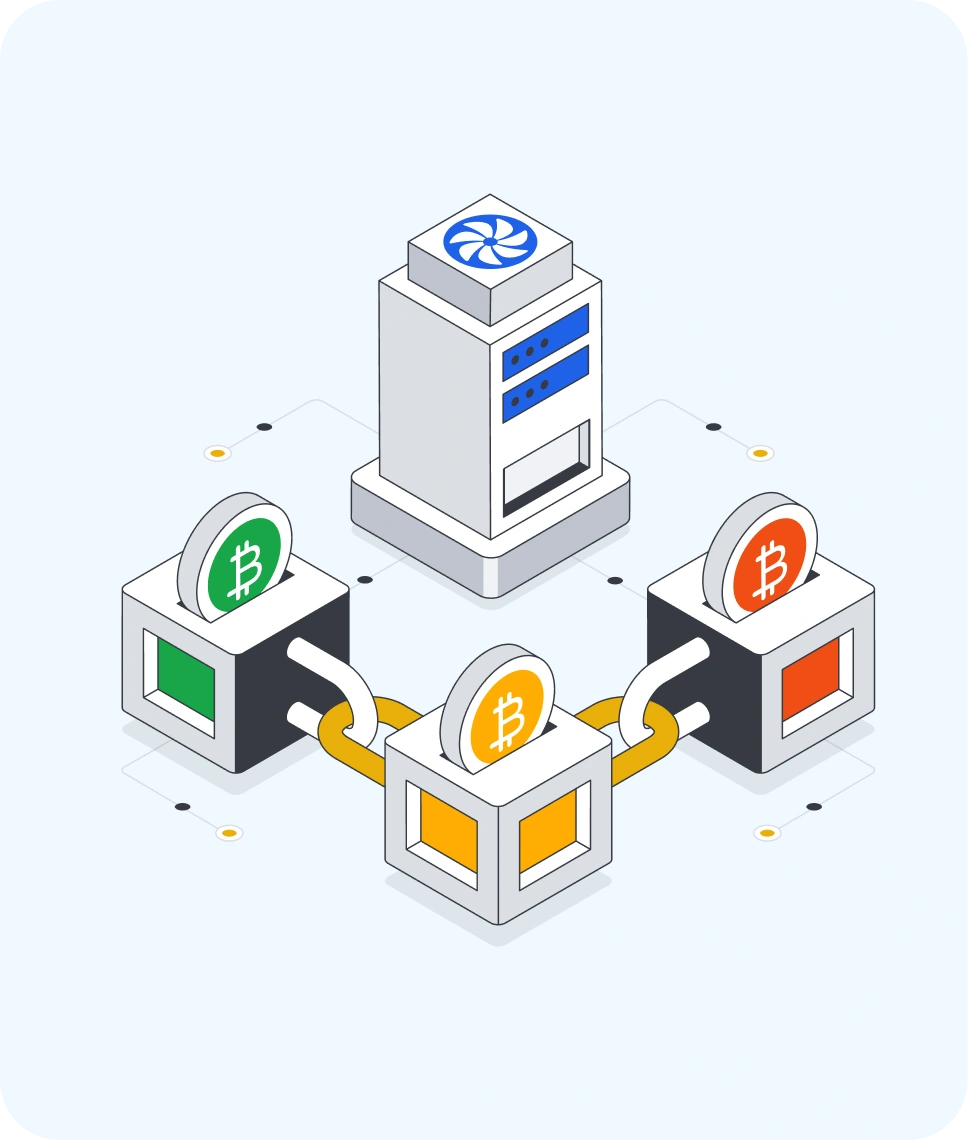
With rising concerns around medical data privacy, blockchain is becoming a powerful solution for secure healthcare ecosystems. Blockchain enables tamper-proof storage of prescriptions and patient records, ensuring transparency and trust. It also simplifies compliance with data regulations and allows secure data sharing between pharmacies, hospitals, and patients.
4. Drone Medicine Delivery
Drone-based delivery is emerging as a game-changing innovation, especially for emergency and remote healthcare services. Drones can deliver medicines faster than traditional delivery methods, bypassing traffic and geographical barriers. In the future, drone logistics could play a crucial role in delivering life-saving medicines to rural and hard-to-reach areas.
5. Voice-Based Ordering
Voice-enabled interfaces are making digital healthcare more accessible. Users can order medicines using voice assistants like Alexa or Google Assistant, eliminating the need for manual searching or typing. This trend is particularly beneficial for elderly users, visually impaired individuals, and people who prefer hands-free interactions.
6. Smart Wearable Integrations
Integration with wearable devices like smartwatches and health trackers will enable real-time health monitoring and proactive medicine delivery. Apps can analyze health data such as heart rate, glucose levels, or activity patterns and automatically suggest medicines, reminders, or refills. This will shift healthcare from reactive treatment to preventive and personalized care.
These emerging trends highlight the future direction of digital healthcare and will significantly influence the evolution of medicine delivery app development. Businesses that adopt these innovations early can gain a strong competitive advantage and deliver smarter, faster, and more personalized healthcare experiences.
Why Choose iTechnolabs for Medicine Delivery App Development?
Choosing the right development partner is crucial for building a secure and scalable healthcare application. iTechnolabs is a trusted technology provider known for delivering innovative, reliable, and future-ready digital solutions. With strong expertise in healthcare and on-demand app development, iTechnolabs helps businesses launch high-performance medicine delivery platforms tailored to their needs.
Reasons to choose iTechnolabs:
- Healthcare Domain Expertise: iTechnolabs has hands-on experience in building healthcare and pharmacy apps, ensuring compliance with industry standards and regulations.
- End-to-End Development Services: From idea validation and UI/UX design to development, testing, and deployment, iTechnolabs provides complete product lifecycle support.
- Scalable & Secure Solutions: The team focuses on building cloud-based, scalable architectures with strong security protocols to protect sensitive medical data.
- Modern Technology Stack: iTechnolabs uses the latest technologies like AI, cloud computing, and real-time analytics to build future-ready applications.
- Cost-Effective Development: With a skilled offshore development team, iTechnolabs offers high-quality solutions at competitive pricing, ideal for startups and enterprises.
- Post-Launch Support: Ongoing maintenance, updates, and scaling support ensure your app stays updated with evolving market trends and user expectations.
Partnering with iTechnolabs ensures you get a reliable, scalable, and feature-rich medicine delivery app that supports long-term business growth.
Also, read: The Complete Guide to Healthcare App Development in 2026
Conclusion
The rapid growth of digital healthcare is transforming how patients access essential medicines, making medicine delivery app development a strategic investment in 2026 and beyond. With increasing demand for convenience, speed, and accessibility, medicine delivery apps are bridging the gap between patients and pharmacies through seamless digital experiences.
From enabling doorstep delivery and real-time tracking to automating pharmacy operations and ensuring regulatory compliance, these platforms are redefining modern healthcare convenience. They not only improve patient outcomes but also help businesses streamline operations and unlock new revenue opportunities.
As healthcare continues to move toward digital-first ecosystems, businesses that invest in secure, scalable, and user-centric medicine delivery apps today will be well-positioned to lead the next wave of digital healthcare transformation.
FAQs
1. How much does medicine delivery app development cost?
Medicine delivery app development typically costs between $40,000 and $300,000+, depending on features, integrations, and app complexity. Basic MVP apps cost less, while enterprise solutions with AI, telemedicine, and advanced analytics require higher budgets due to increased development time and technical complexity.
2. How long does it take to build a medicine delivery app?
The development timeline usually ranges from 3 to 8 months based on the app’s complexity and feature set. A basic MVP can be launched within a few months, while advanced apps with integrations like AI, real-time tracking, and compliance requirements may take longer to develop and test properly.
3. What features should a medicine delivery app include?
A medicine delivery app should include features like medicine search, prescription upload, secure payment options, order tracking, notifications, and an admin dashboard. Advanced apps may include AI prescription scanning, teleconsultation, inventory automation, analytics dashboards, and personalized recommendations for better user engagement and operational efficiency.
4. What regulations apply to medicine delivery apps?
Medicine delivery apps must comply with healthcare data protection laws such as HIPAA, GDPR, and regional pharmaceutical regulations. Developers must ensure encrypted data storage, secure authentication, verified prescription handling, and compliance with local drug authorities to protect sensitive patient data and avoid legal or regulatory penalties.
5. Is medicine delivery app development profitable?
Yes, medicine delivery apps are highly profitable due to rising demand for digital healthcare services and recurring medicine purchases. Businesses can generate revenue through delivery fees, subscription plans, pharmacy commissions, and partnerships while benefiting from scalable digital models and long-term growth opportunities in the healthcare market.
6. What is the best tech stack for medicine delivery apps?
The best tech stack depends on scalability and performance needs. Common choices include Flutter or React Native for cross-platform development, Node.js or Django for backend systems, and cloud platforms like AWS or Google Cloud for hosting, ensuring secure, scalable, and high-performance digital pharmacy applications.
7. How can startups reduce medicine delivery app development costs?
Startups can reduce development costs by building a minimum viable product (MVP) first, focusing on essential features, using cross-platform frameworks, and outsourcing development to cost-effective regions. Gradual scaling, cloud-based infrastructure, and phased feature additions also help manage budgets efficiently while validating market demand early.